Famous people you should know
The test rarely wants depth — it wants the pairing. Learn each name next to the one thing it is tested on, grouped by field. The ★ marks the people who come up most often, so revise those first. Use the chips to focus on a single field, the ★ High-yield chip to drill the priority names, or type a name to find it fast.
Showing all
Scientists, inventors & engineers
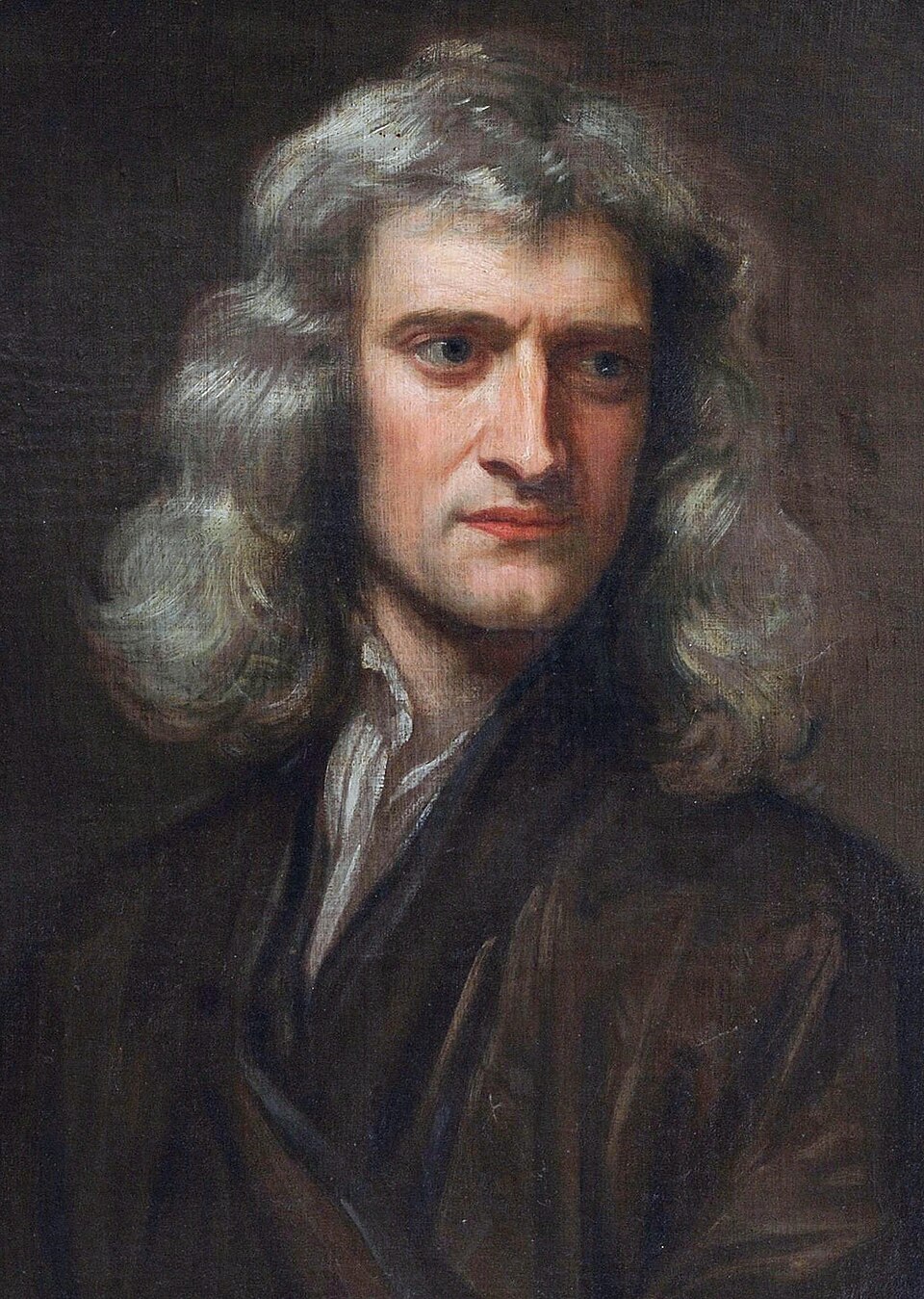
Sir Isaac Newton ★
 Science
Worked out gravity and the laws of motion; wrote the Principia. The scientist the test returns to most.
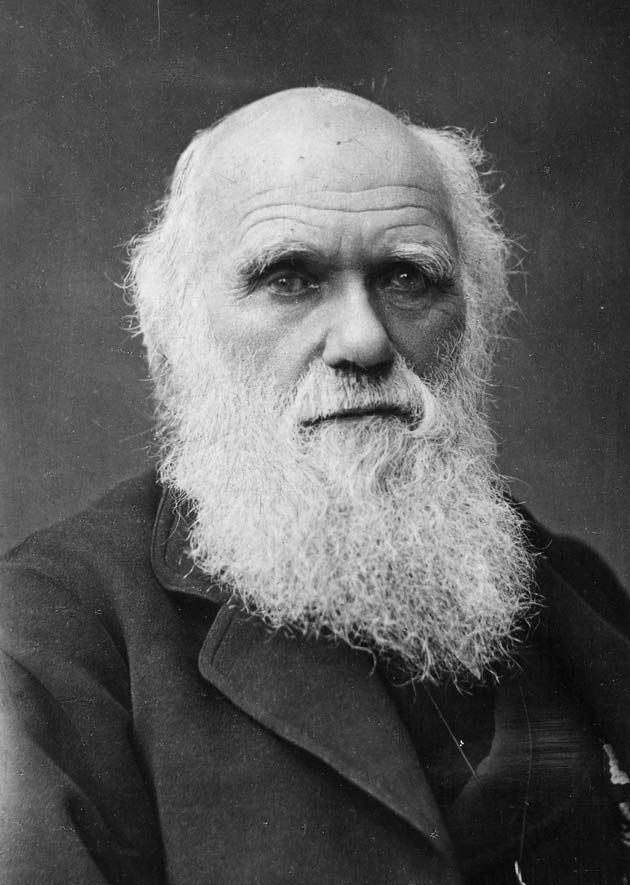
Charles Darwin ★
 Science
Set out the theory of evolution in On the Origin of Species (1859).
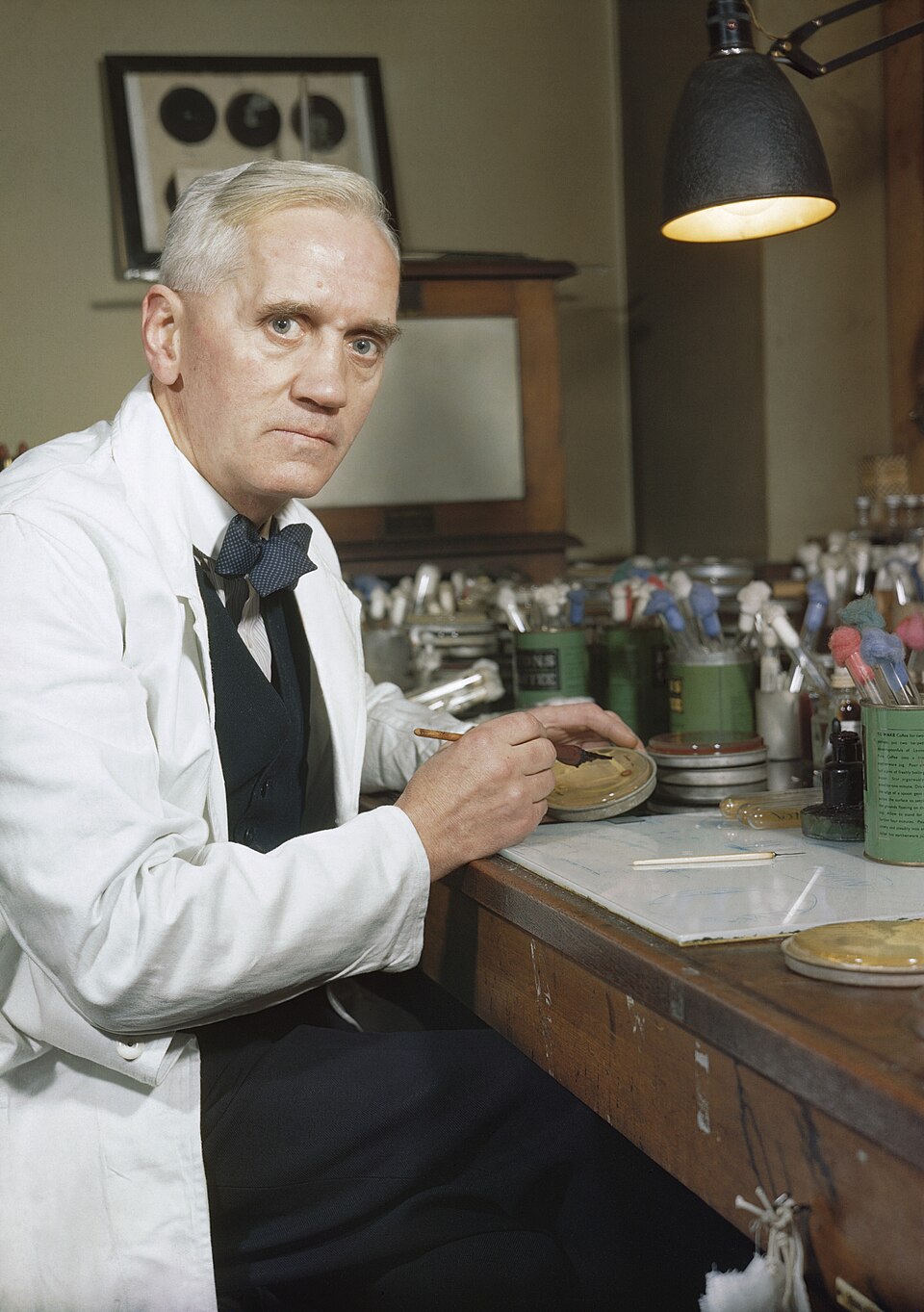
Sir Alexander Fleming ★
 Science
Discovered penicillin in 1928, opening the era of antibiotics.
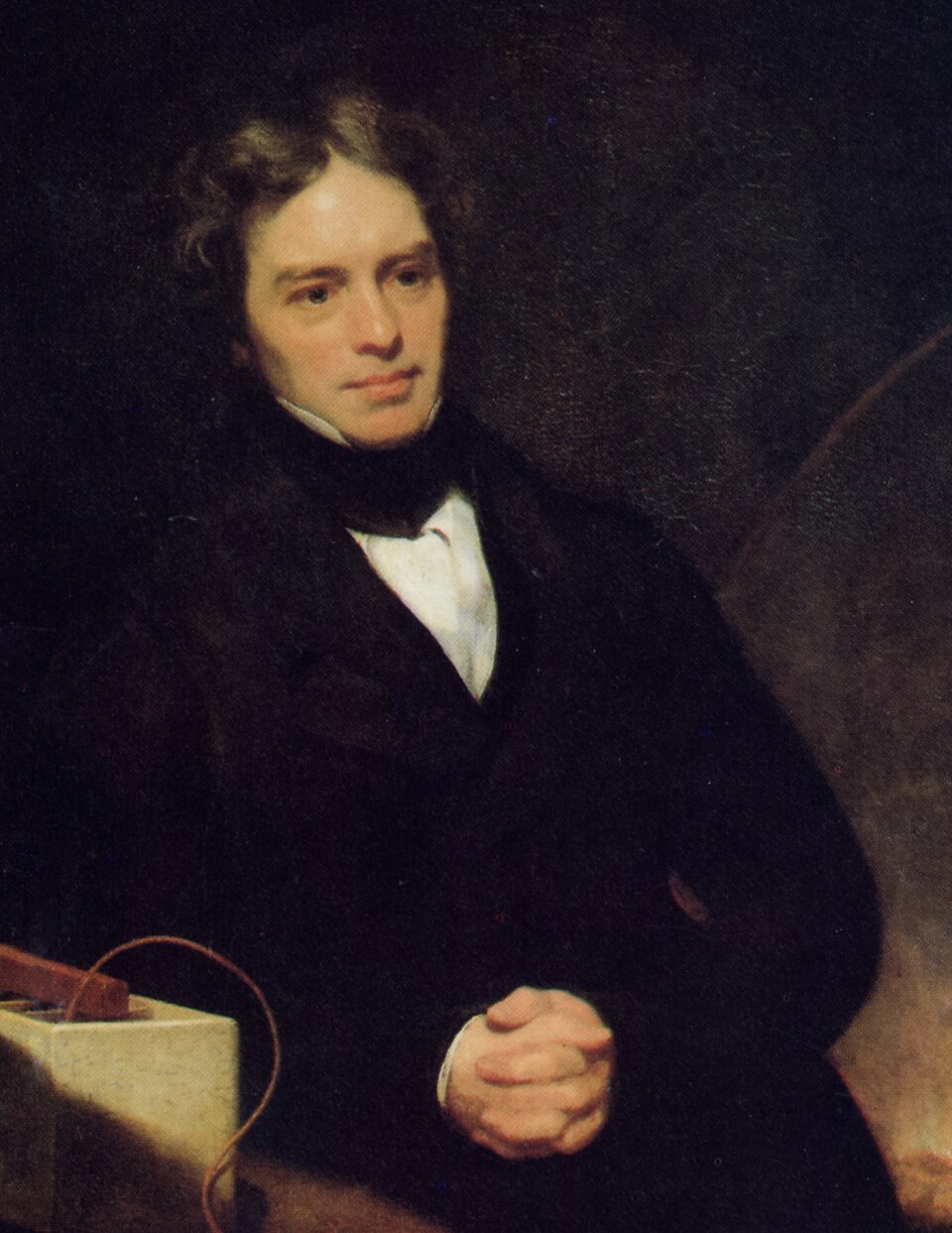
Michael Faraday ★
 Science
Pioneering work on electricity and electromagnetism.
Sir Tim Berners-Lee ★
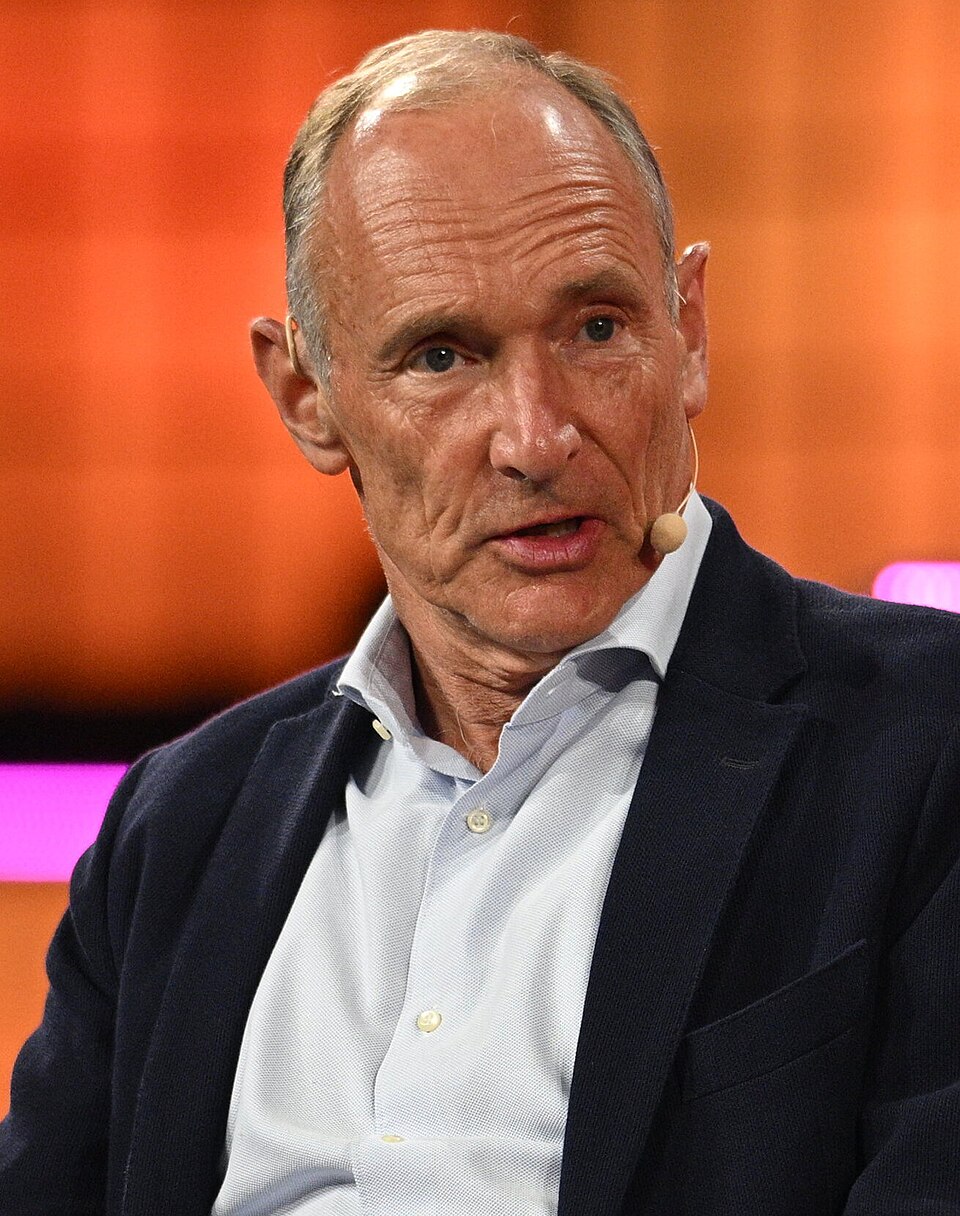 Science
Invented the World Wide Web around 1989–90.
Isambard Kingdom Brunel ★
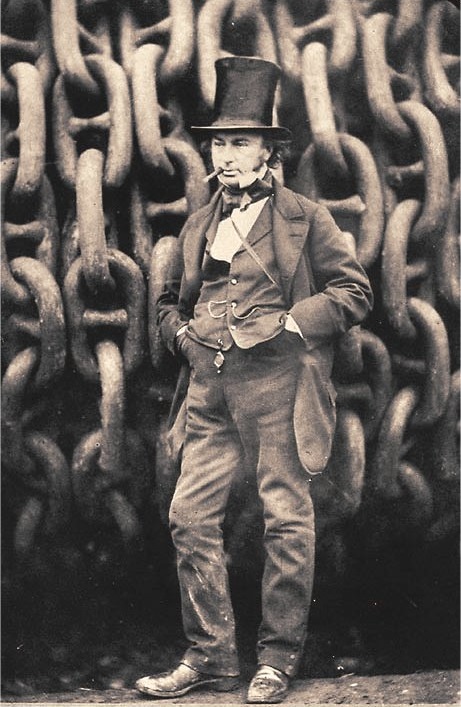 Engineering
Leading engineer of the Industrial Revolution — the Great Western Railway, major tunnels and bridges, and the SS Great Britain.
Francis Crick & James Watson
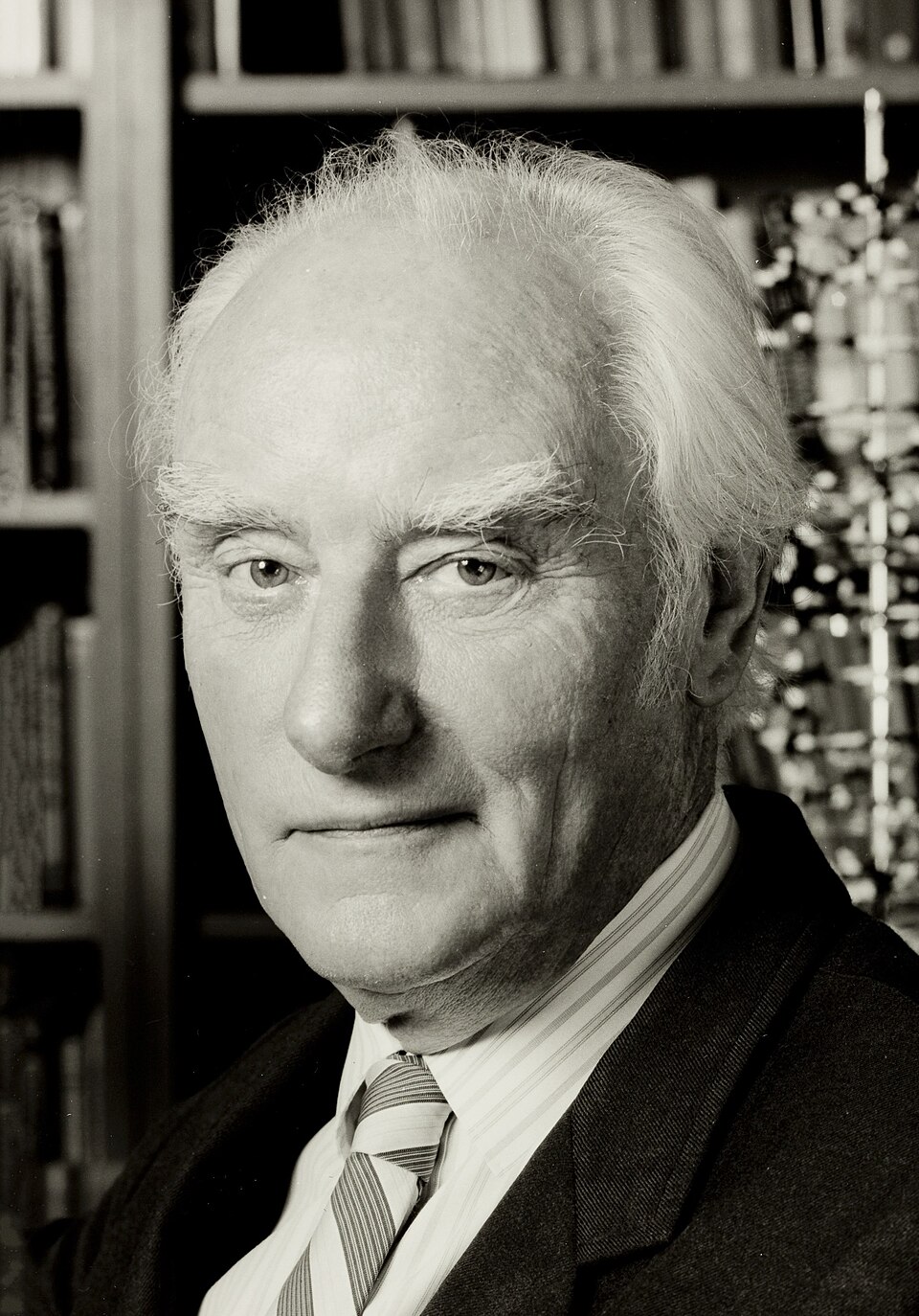 Science
Worked out the structure of DNA in 1953 at Cambridge, with Maurice Wilkins.
Alexander Graham Bell
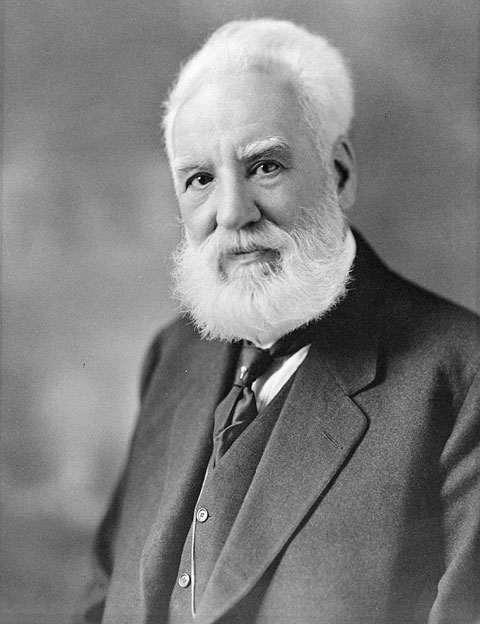 Invention
Scottish-born inventor of the telephone.
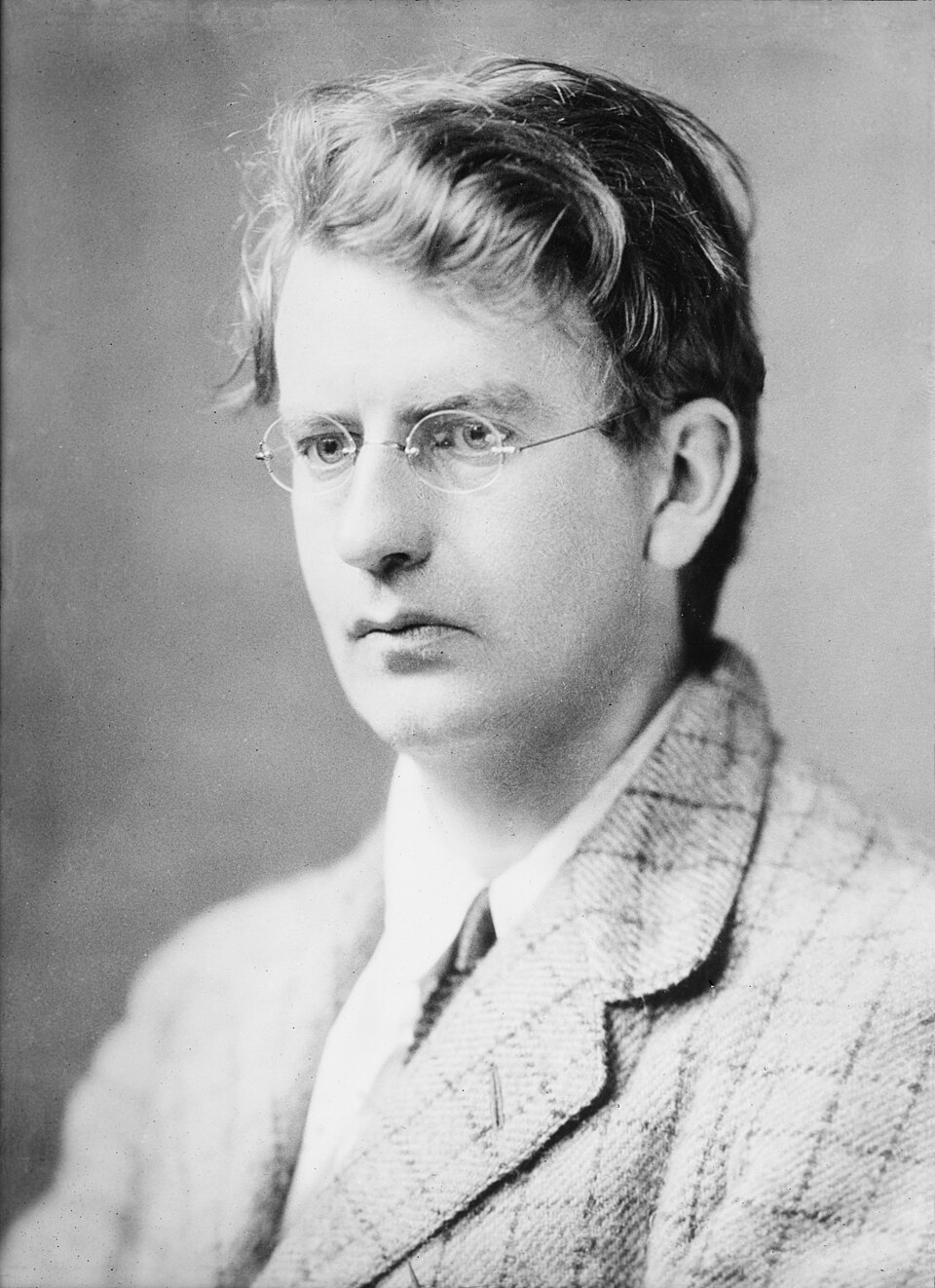
John Logie Baird
 Invention
Scottish pioneer of television.
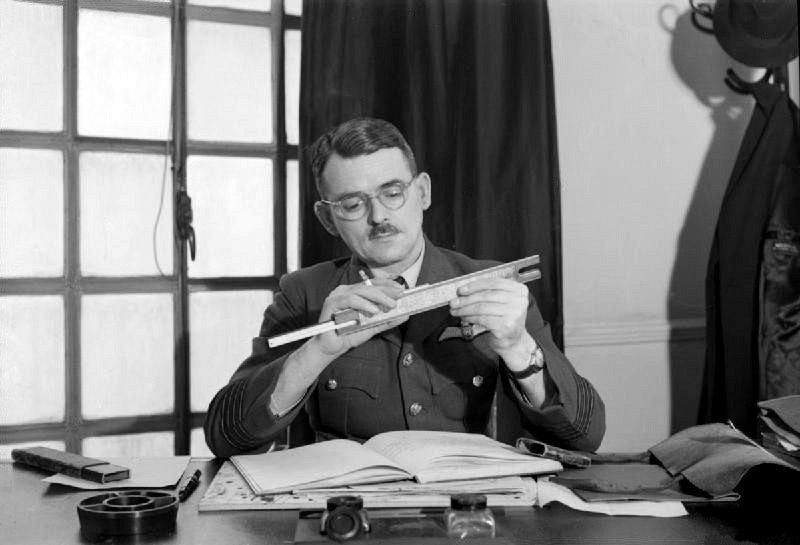
Sir Frank Whittle
 Engineering
Invented the jet engine.
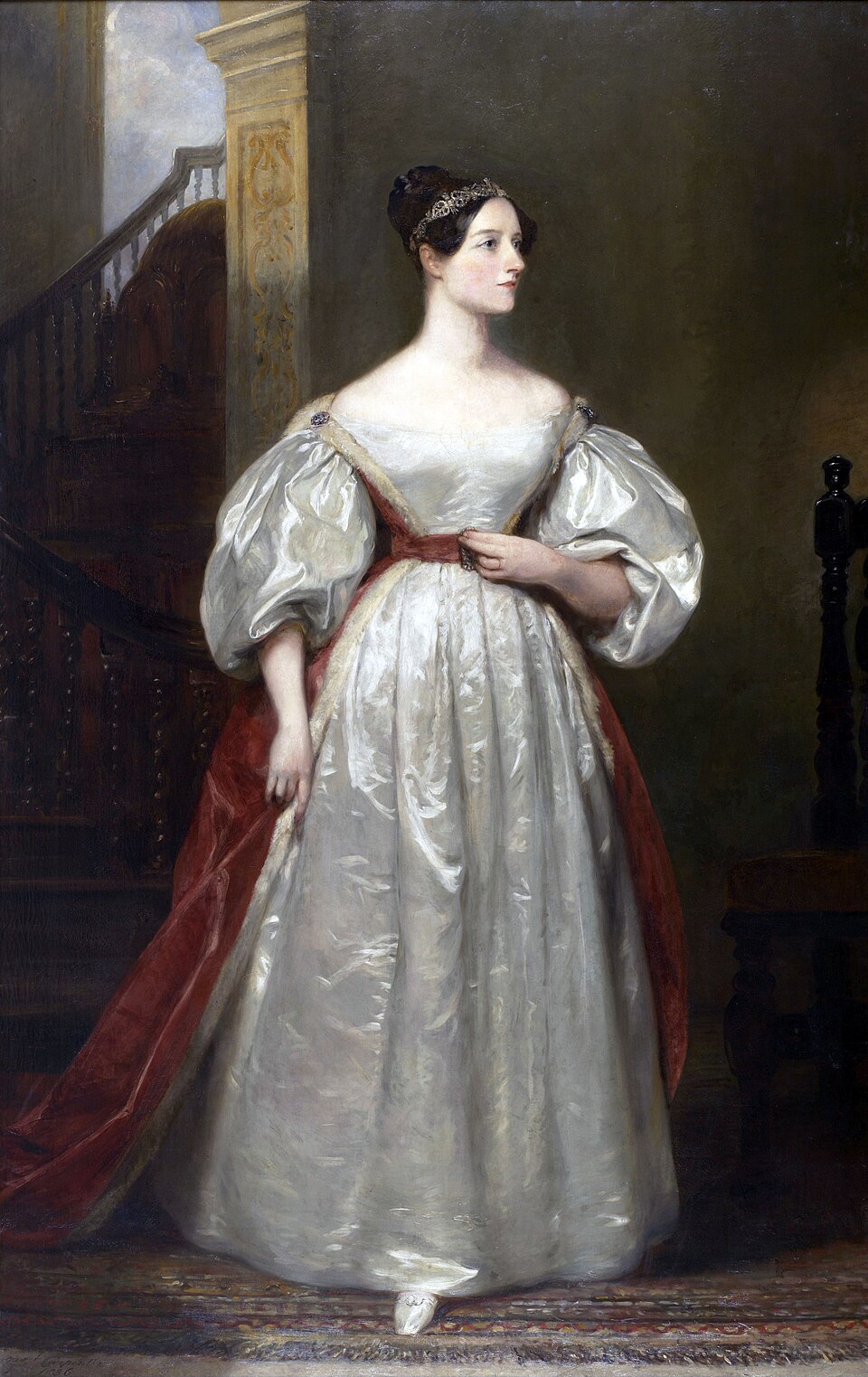
Ada Lovelace
 Science
Regarded as the first computer programmer, through her work with Charles Babbage.
Sir Ian Wilmut & Keith Campbell
ScienceLed the Edinburgh team that cloned Dolly the sheep in 1996, the first cloned mammal.
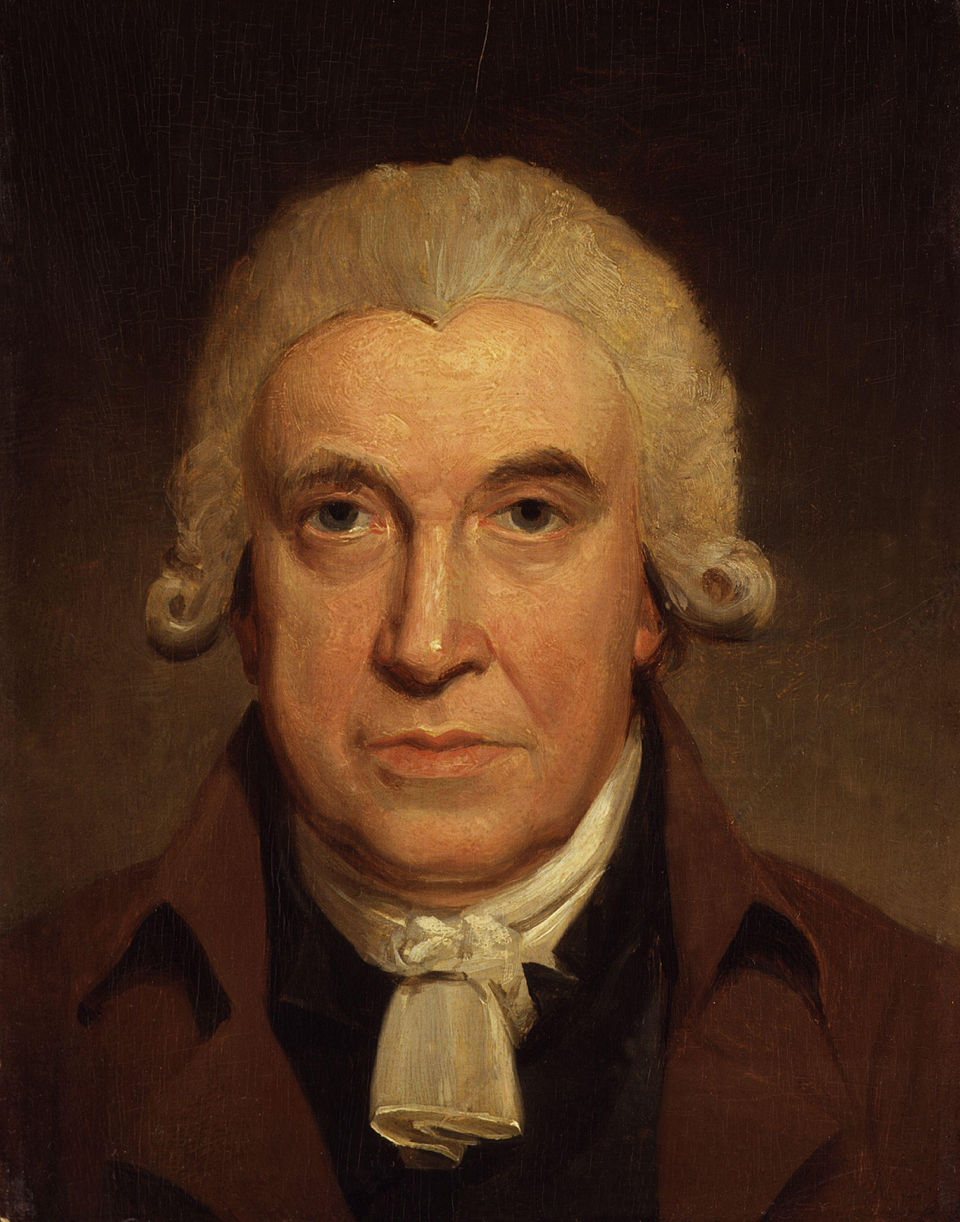
James Watt
 Engineering
Scottish engineer who greatly improved the steam engine during the Industrial Revolution.
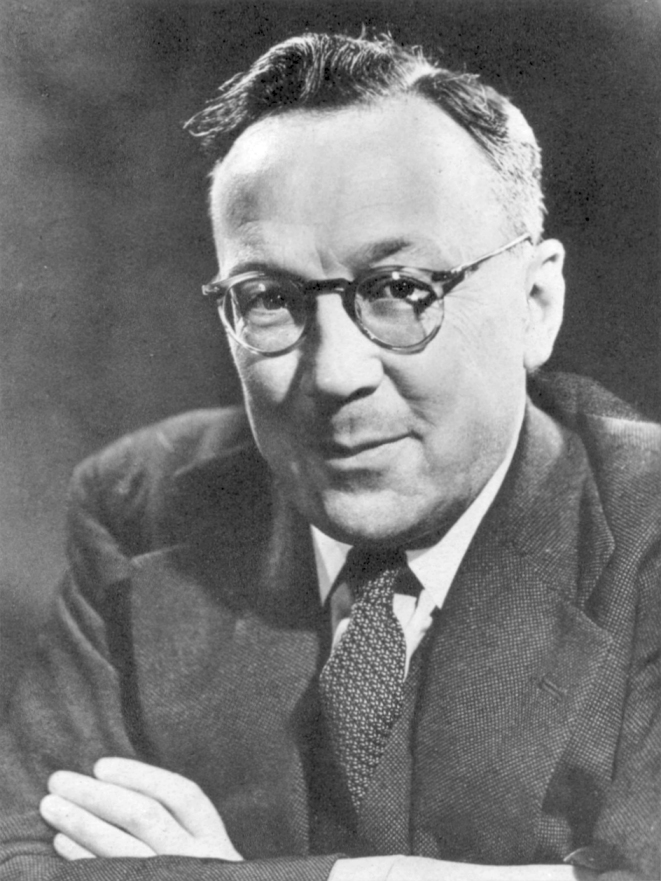
Sir Robert Watson-Watt
 Science
Developed radar.
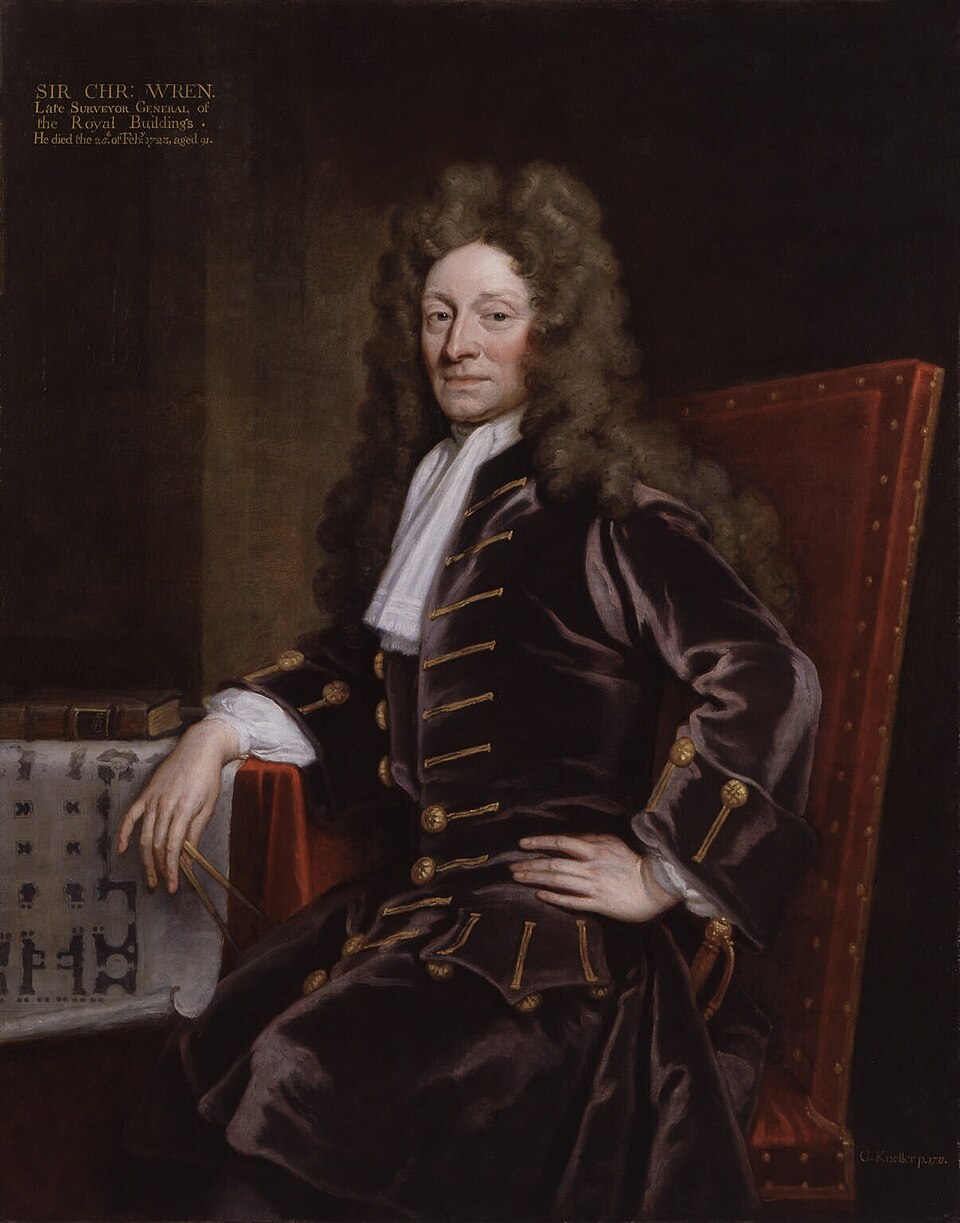
Sir Christopher Wren
 Architecture
Architect who rebuilt St Paul's Cathedral after the Great Fire of London.
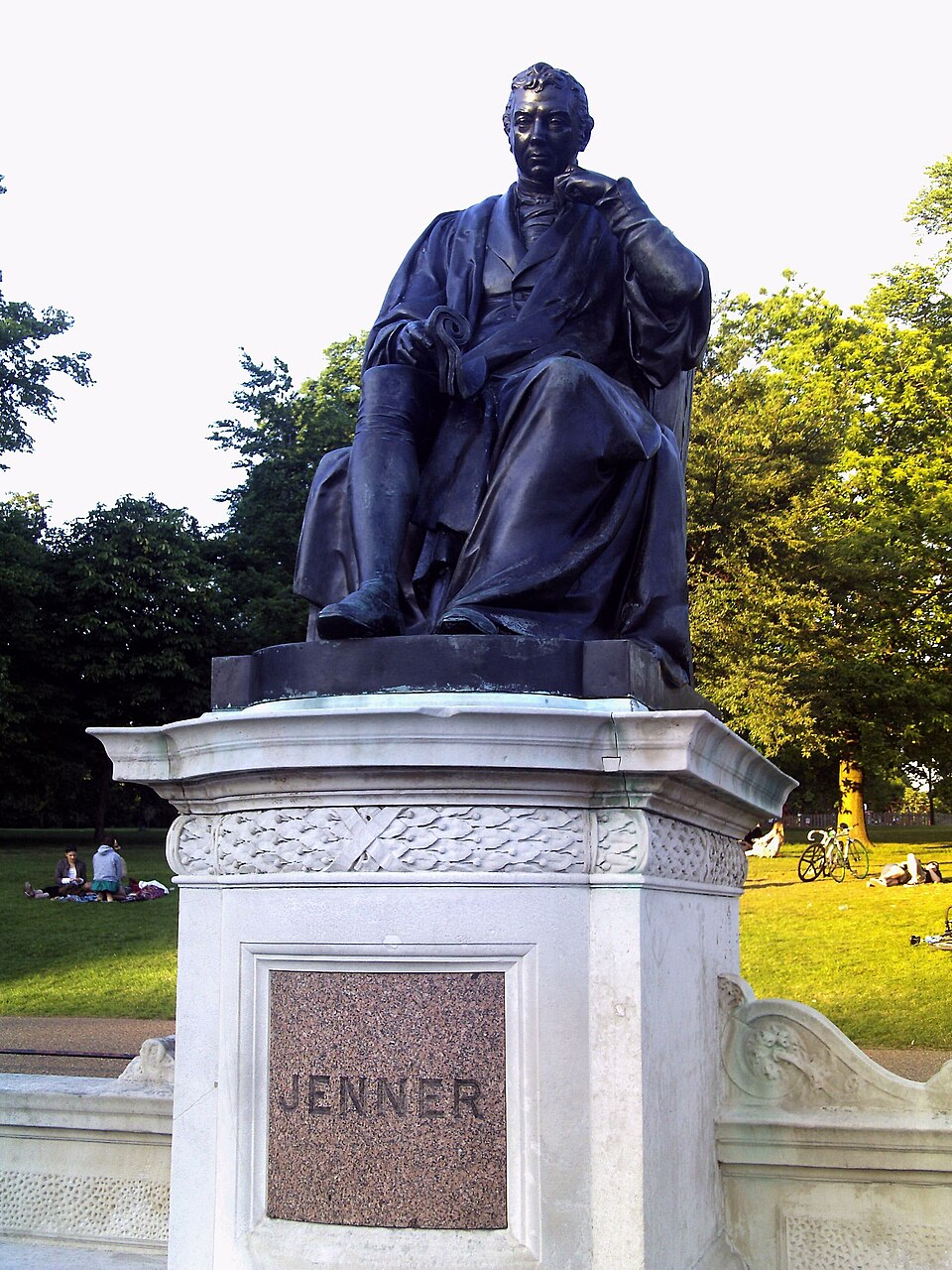
Edward Jenner
 Science
Developed vaccination, working against smallpox.
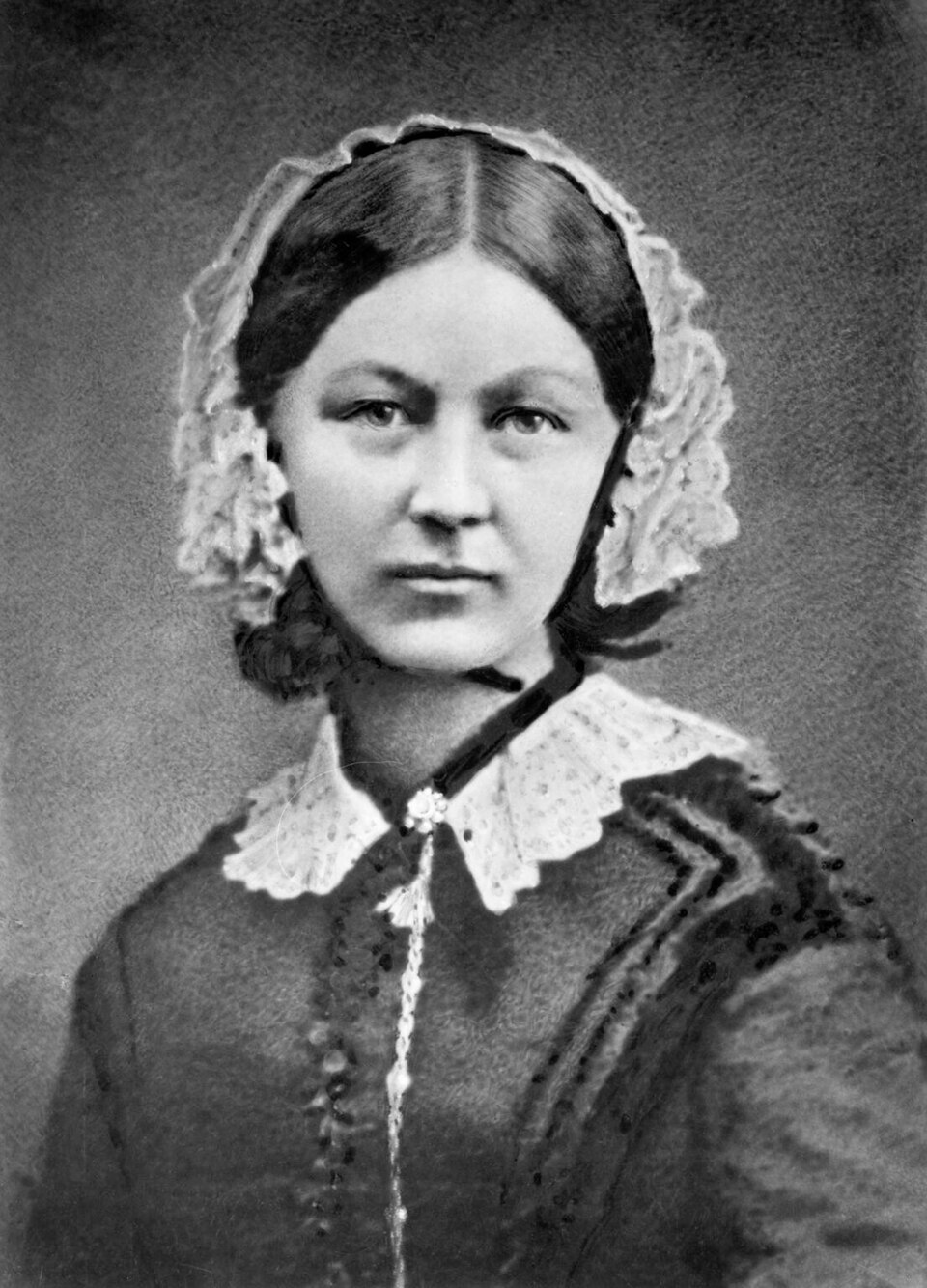
Florence Nightingale
 Science
Founder of modern nursing; served in the Crimean War and wrote Notes on Nursing.
Stephen Hawking
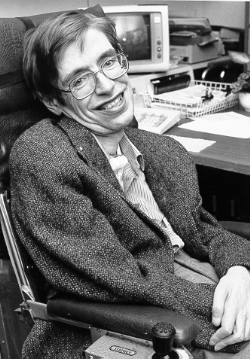 Science
Physicist known for work on black holes and the book A Brief History of Time.
William Shakespeare ★
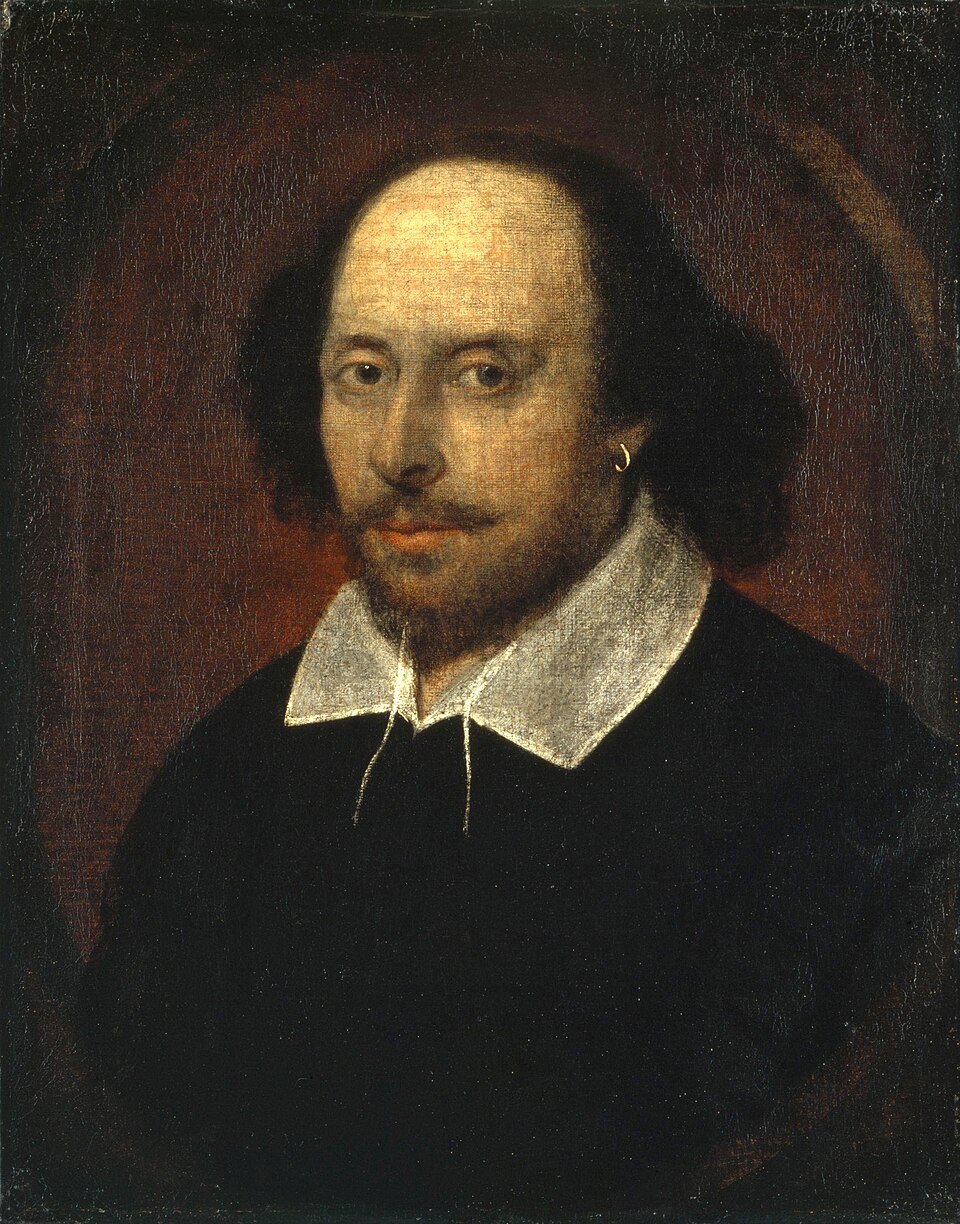 Writing
Playwright and poet from Stratford-upon-Avon — Romeo and Juliet, Hamlet, Macbeth.
Geoffrey Chaucer
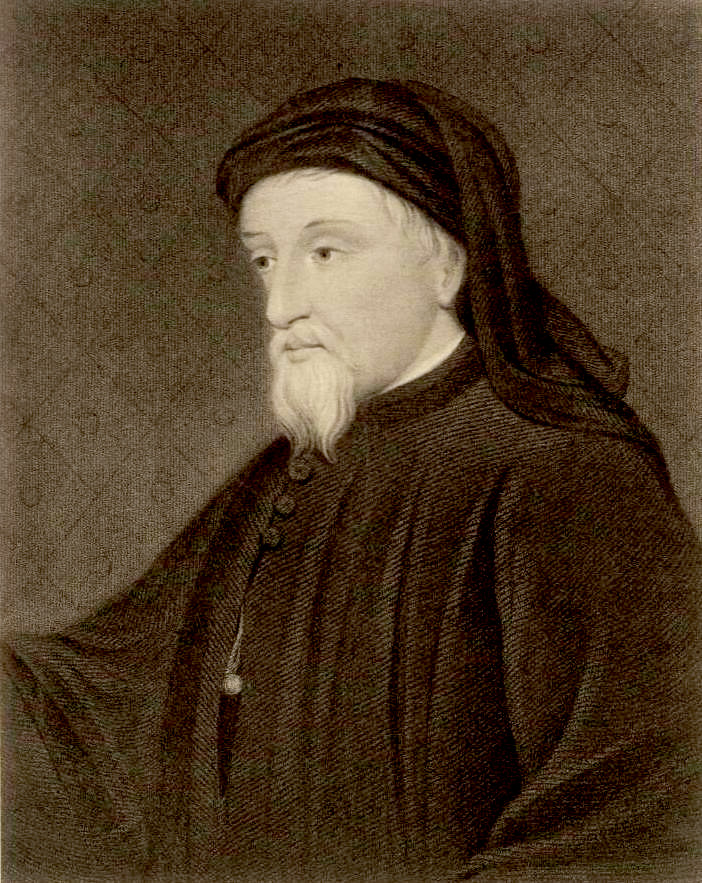 Writing
Wrote The Canterbury Tales, about pilgrims journeying to Canterbury.
Jane Austen
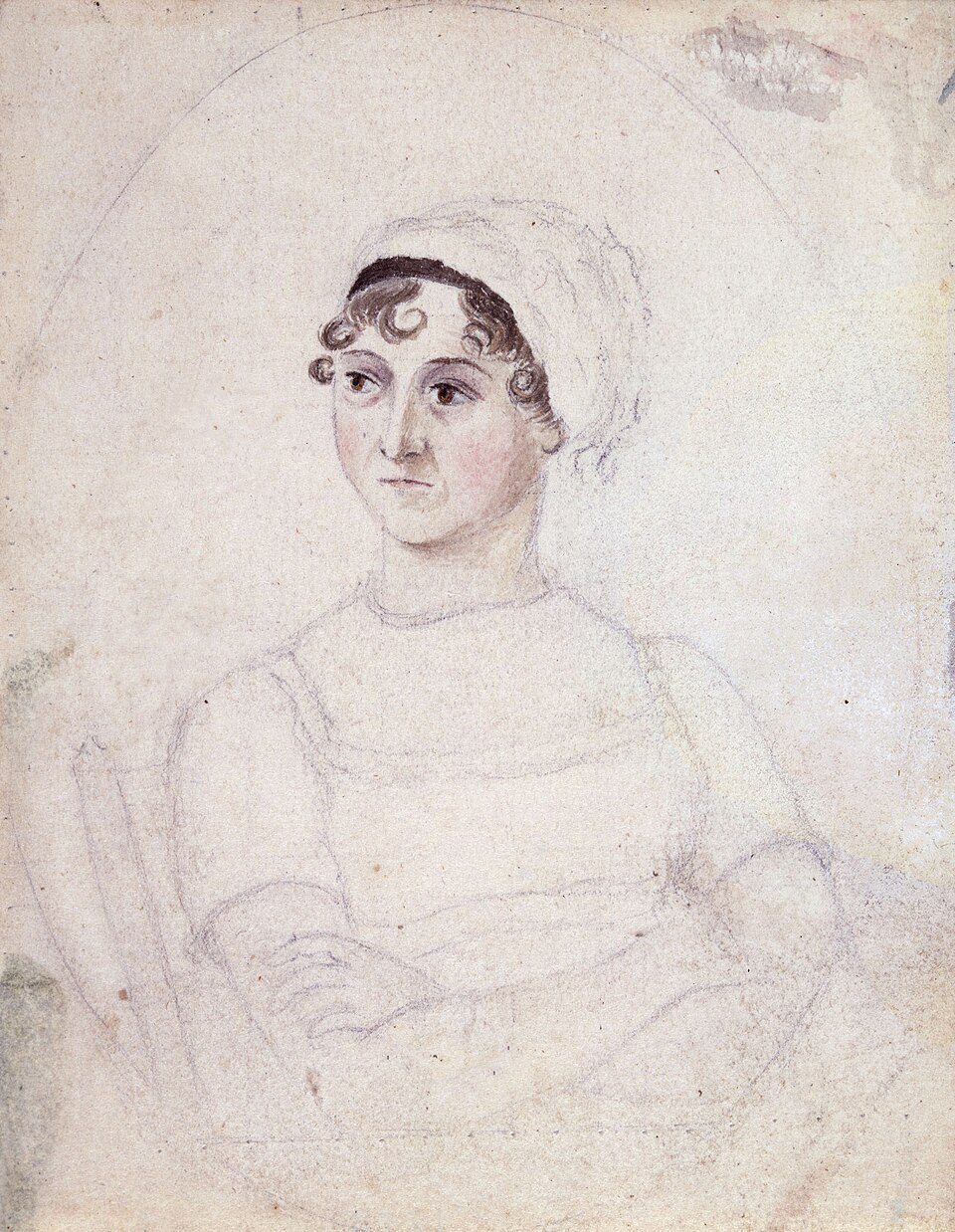 Writing
Novelist — Pride and Prejudice and Sense and Sensibility.
Charles Dickens
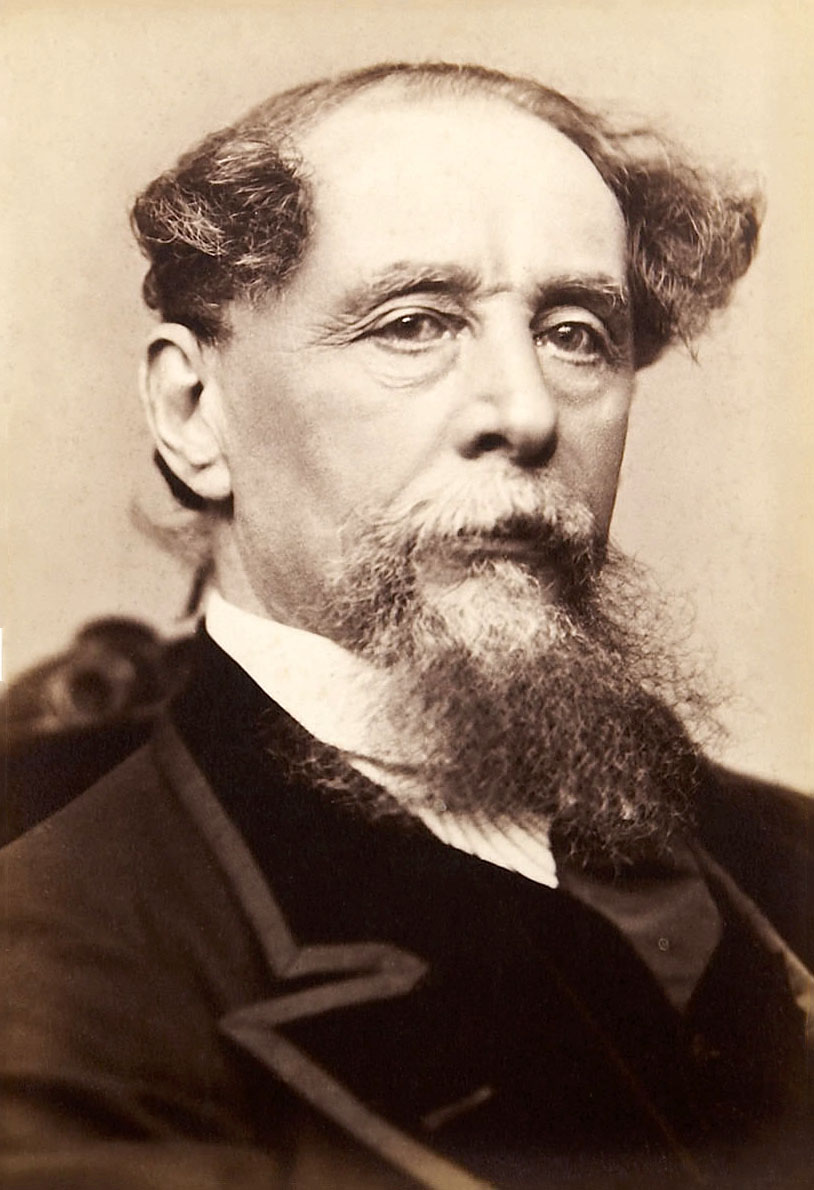 Writing
Novelist — Oliver Twist, A Christmas Carol, Great Expectations.
Robert Burns
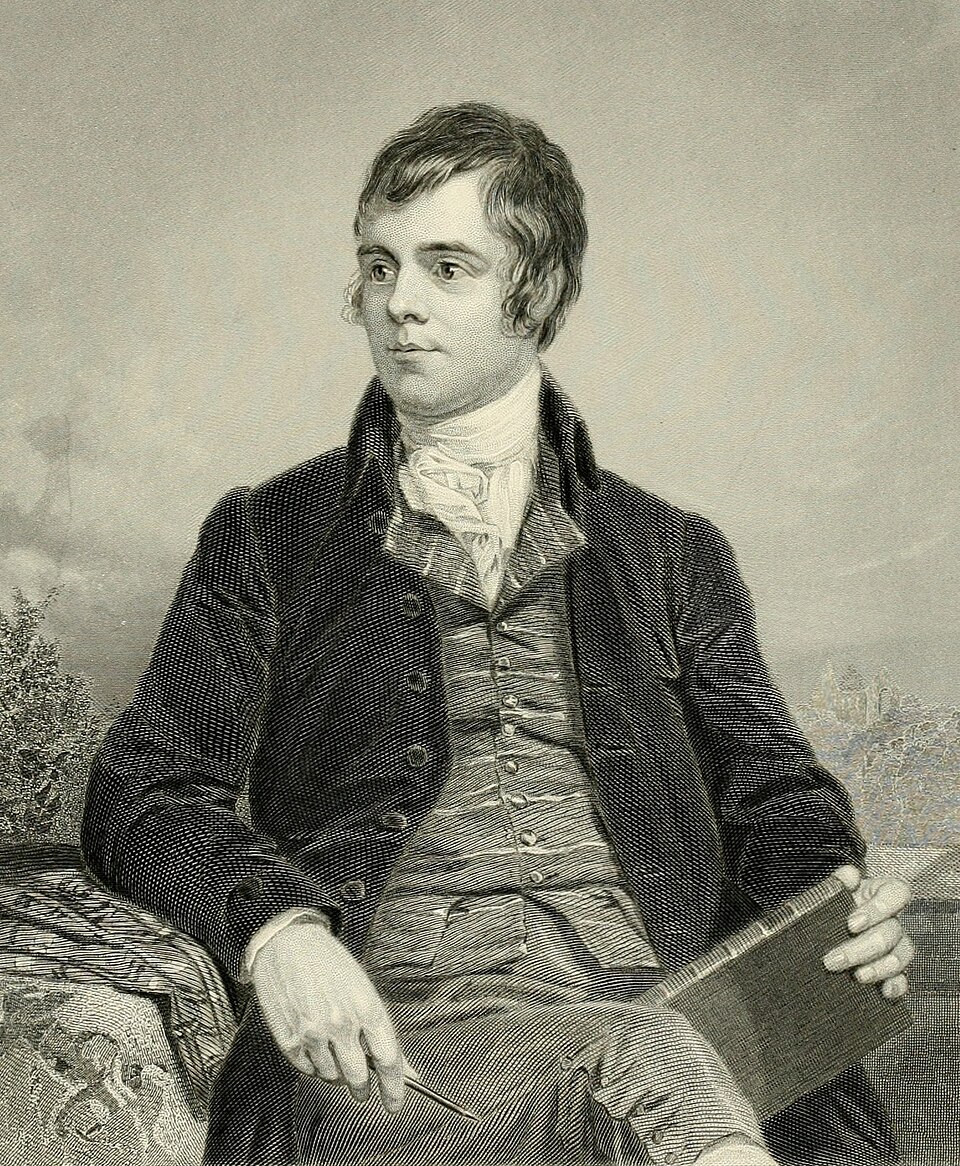 Writing
Scotland's national poet ("the Bard"); wrote "Auld Lang Syne" and is celebrated on Burns Night, 25 January.
The Brontë sisters
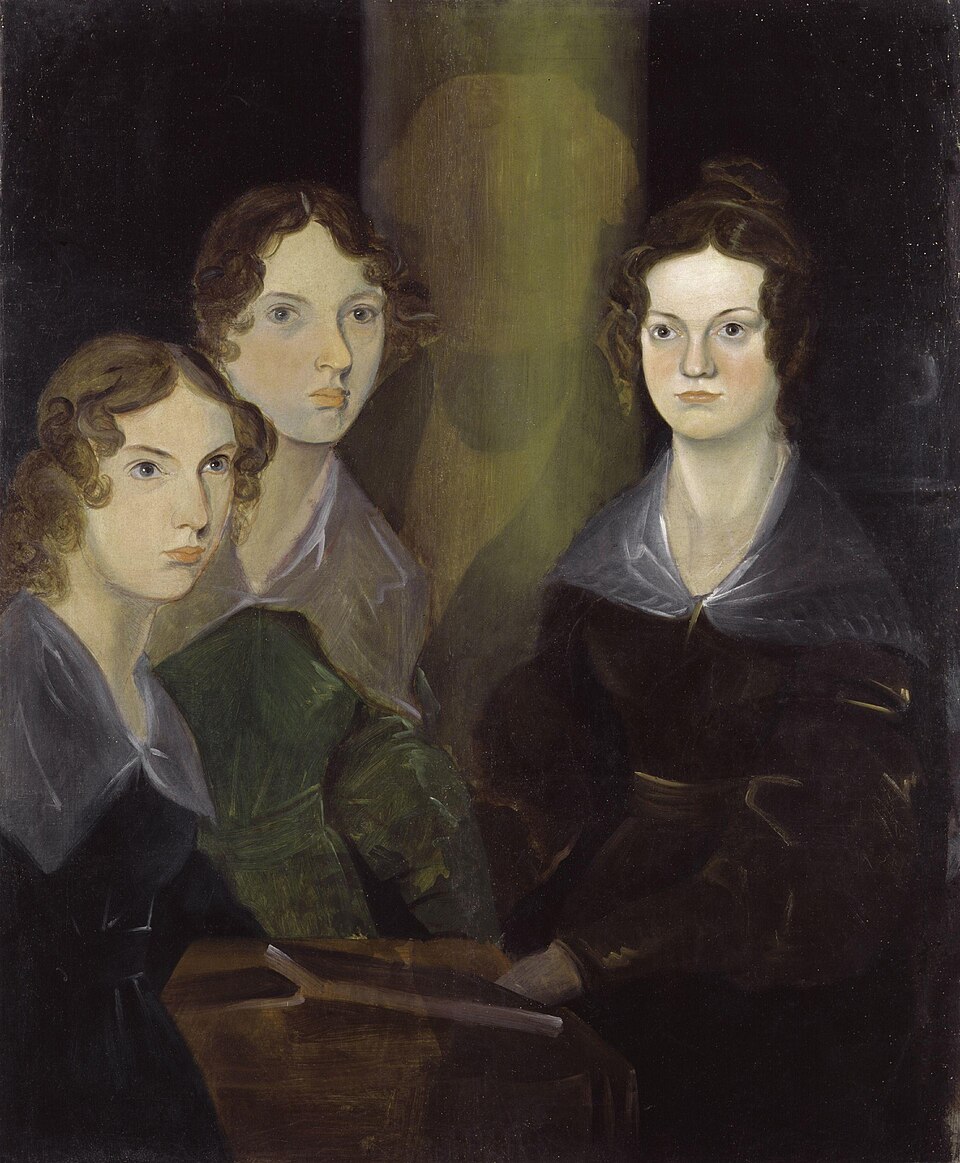 Writing
Charlotte (Jane Eyre), Emily (Wuthering Heights) and Anne.
Thomas Hardy
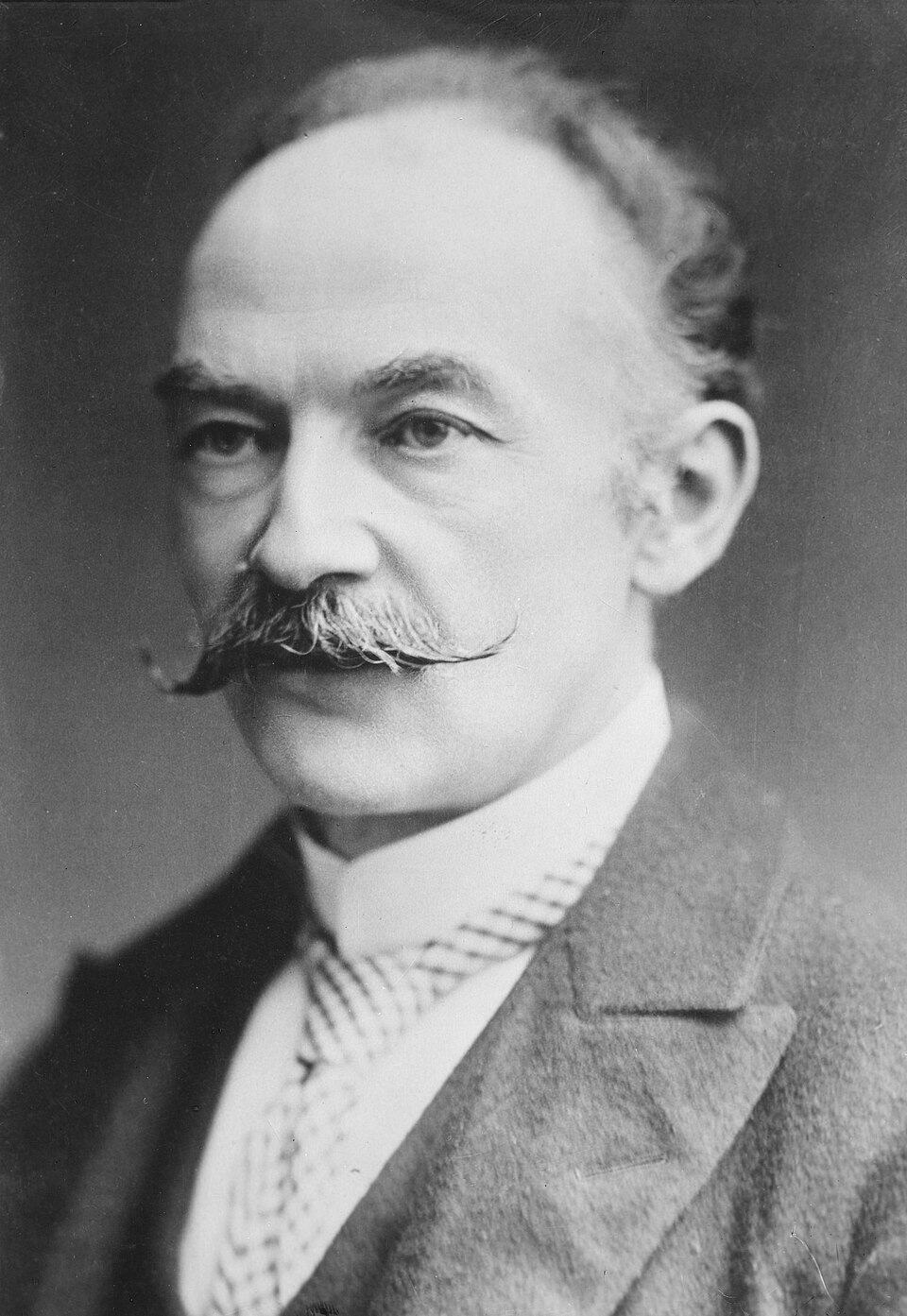 Writing
Novelist and poet, for example Far from the Madding Crowd.
The Romantic poets
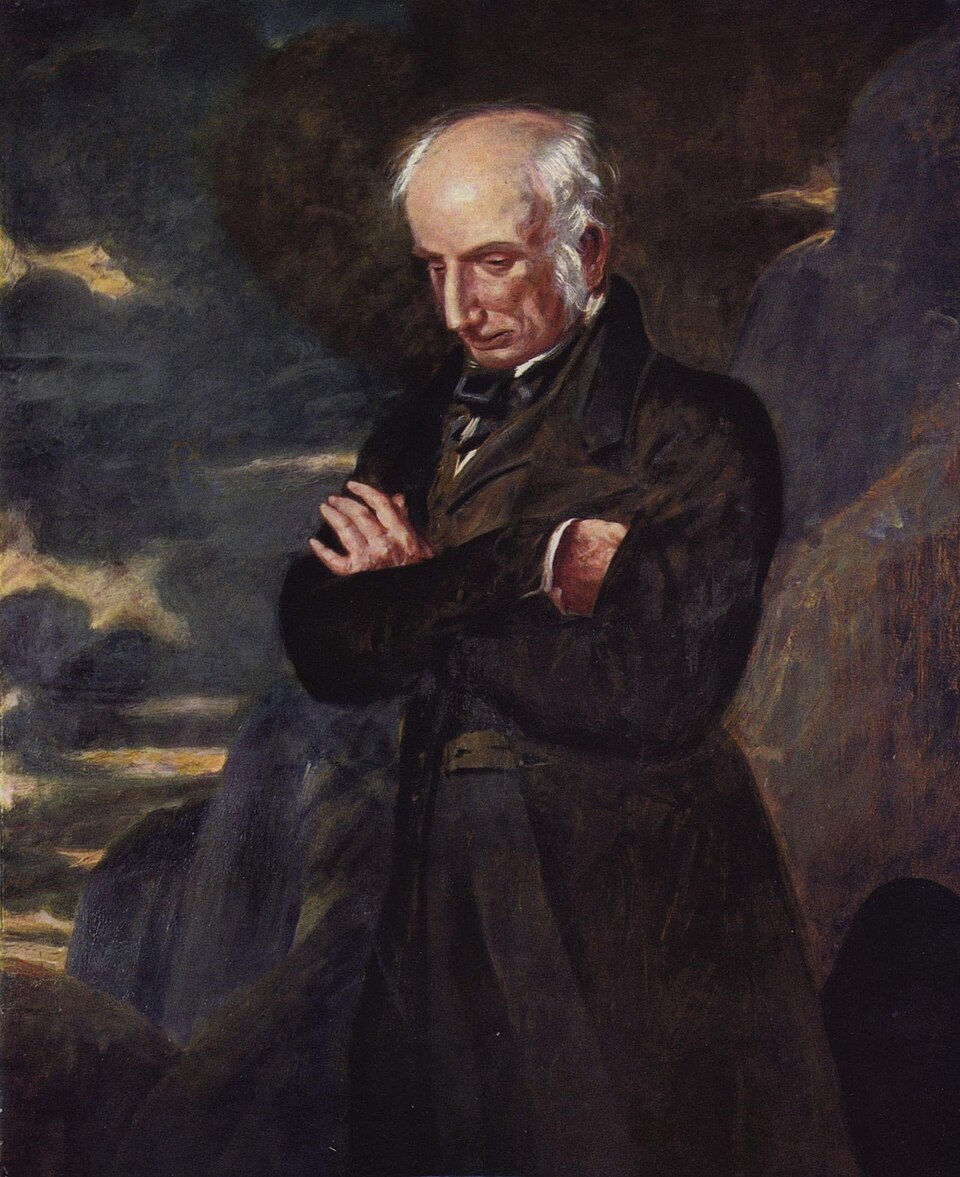 Writing
A group including Wordsworth, Blake, Byron, Keats and Shelley; Wordsworth wrote "Daffodils".
Sir Arthur Conan Doyle
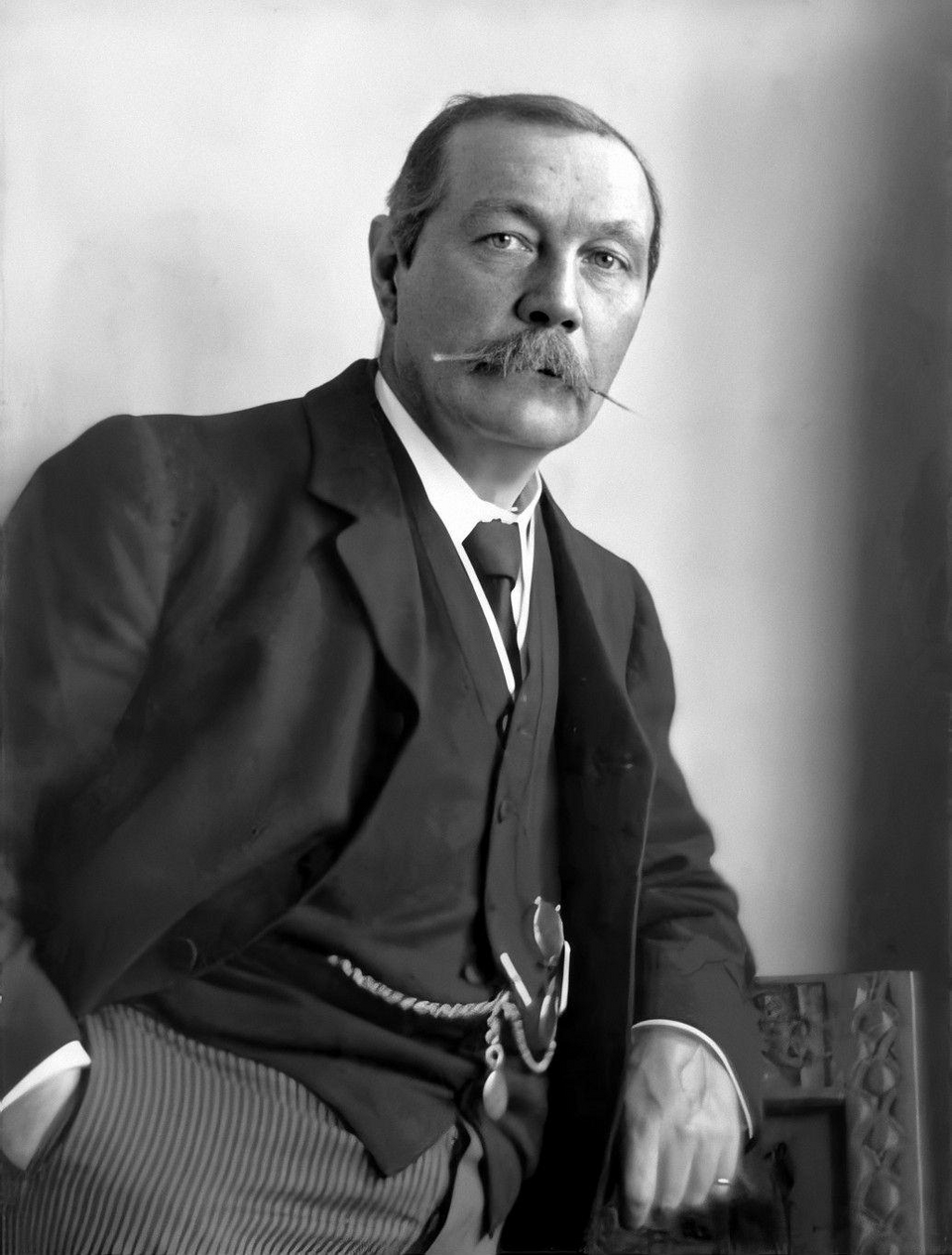 Writing
Created the detective Sherlock Holmes.
Agatha Christie
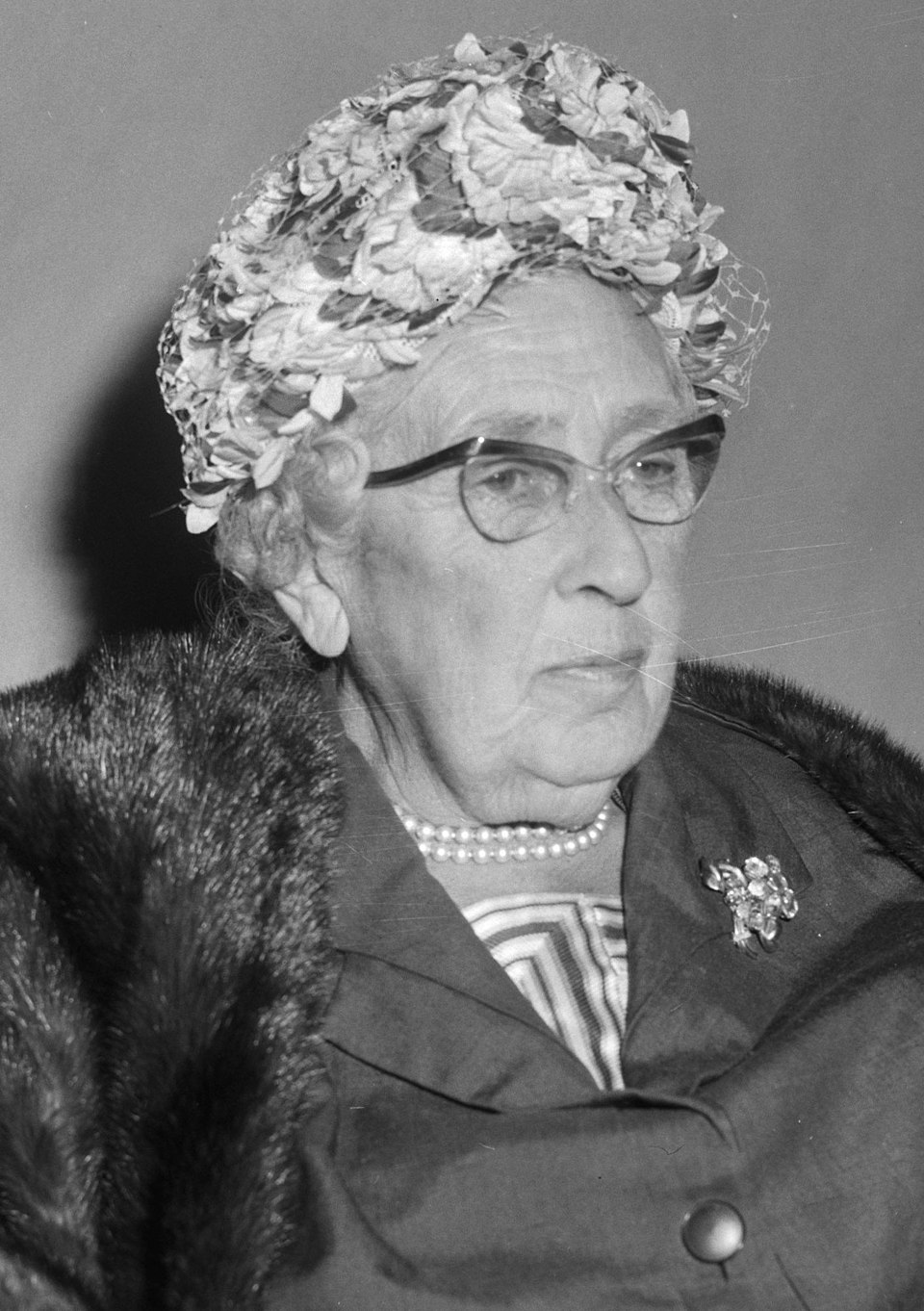 Writing
Crime novelist; created Hercule Poirot and Miss Marple.
Dylan Thomas
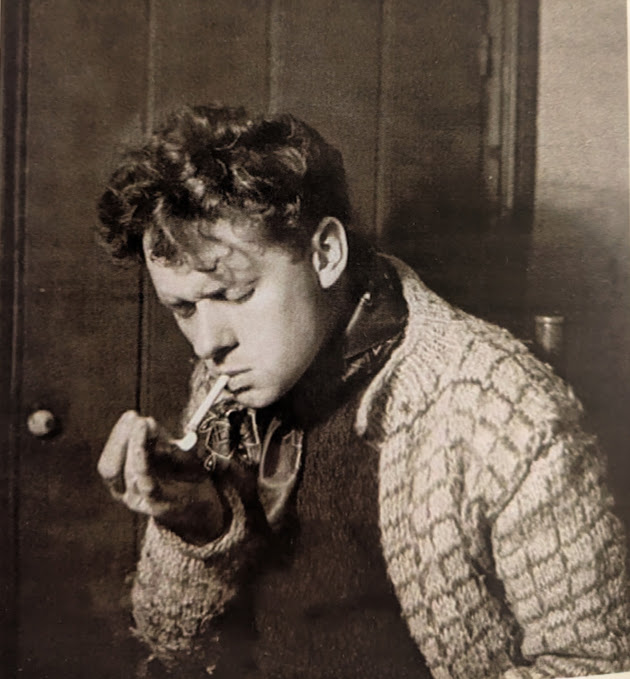 Writing
Welsh poet — Under Milk Wood.
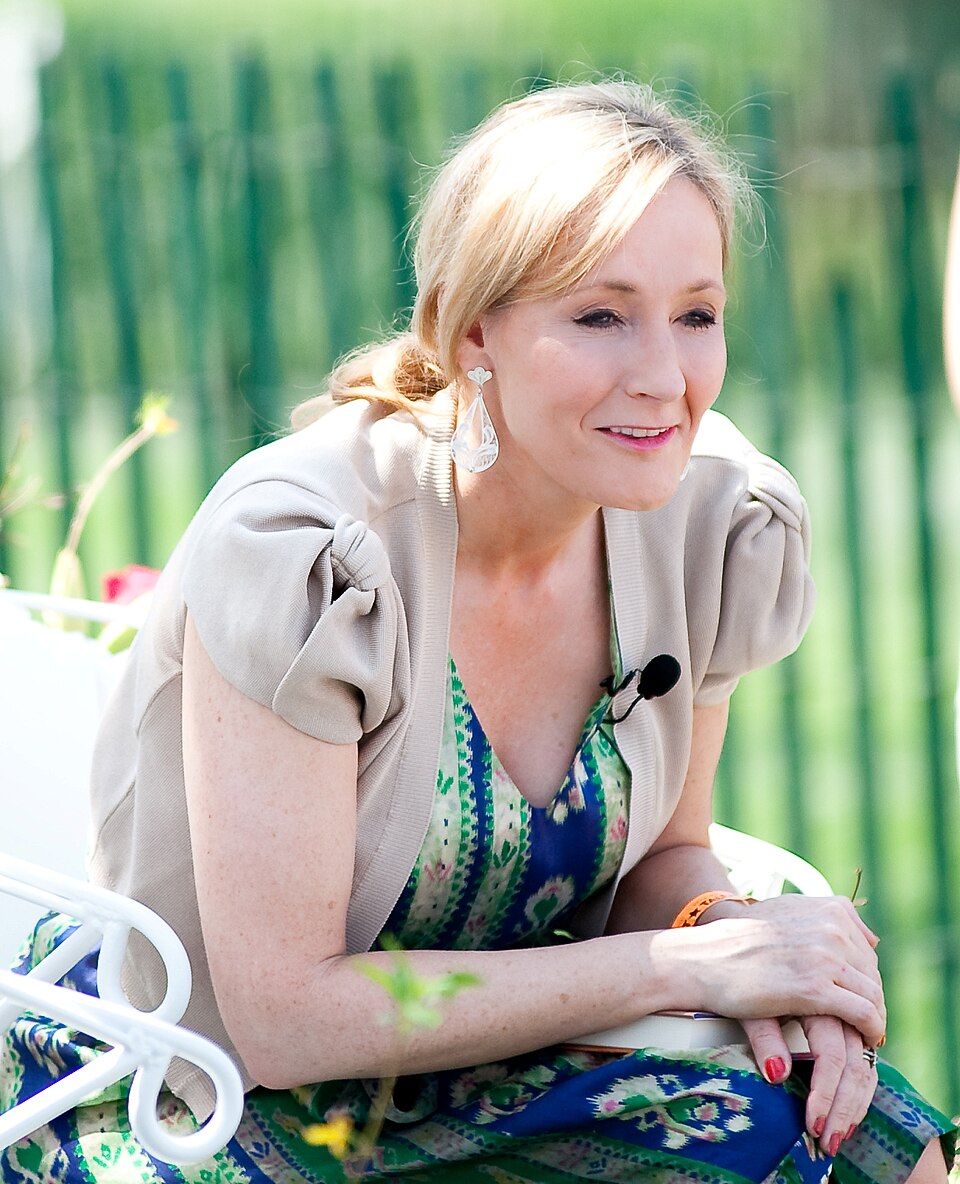
J.K. Rowling
 Writing
Contemporary author of the Harry Potter books.
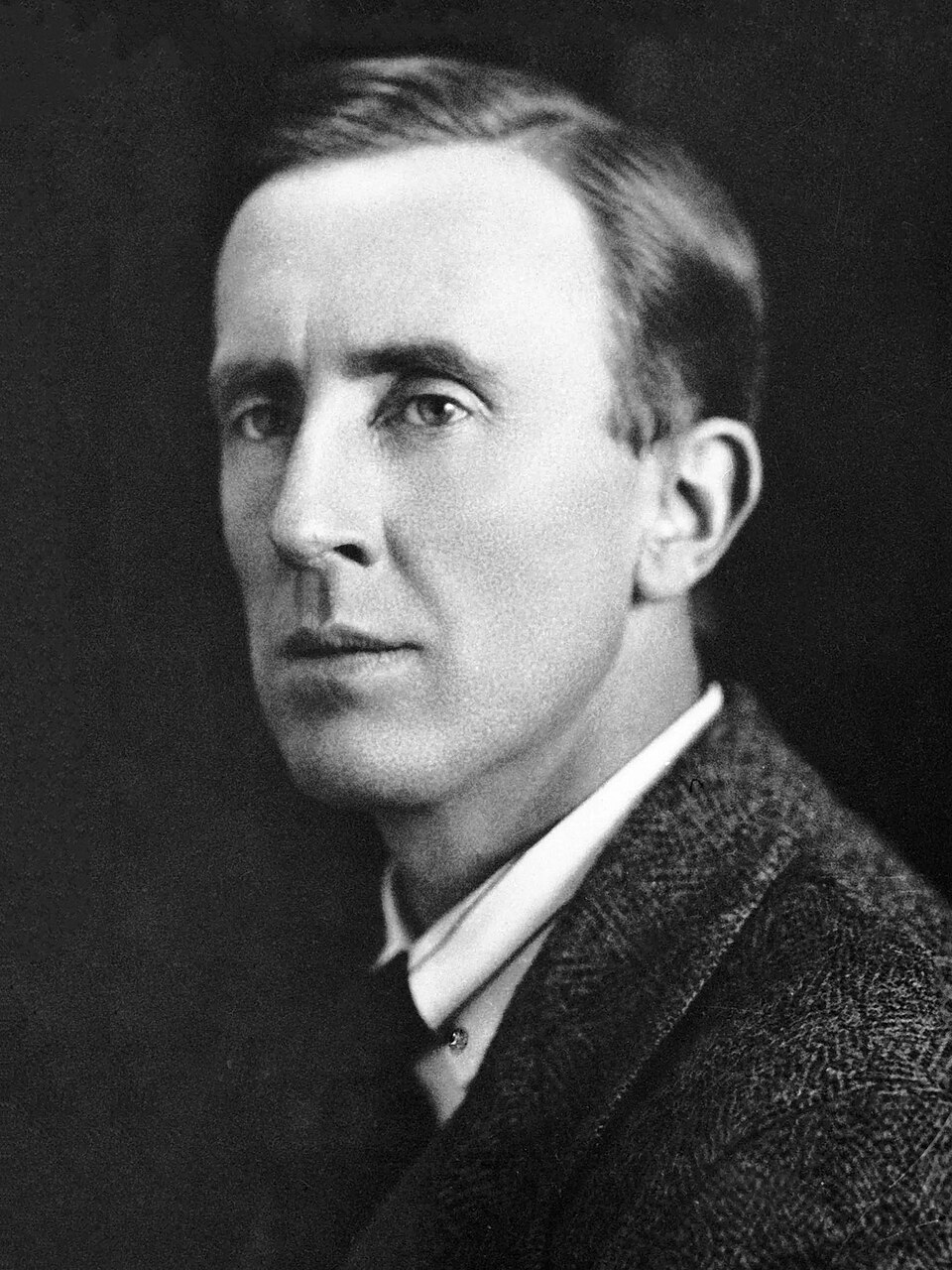
J.R.R. Tolkien
 Writing
Author of The Lord of the Rings.
The Poet Laureate
WritingAn honorary royal poet post; recent holders are rarely asked for by name.
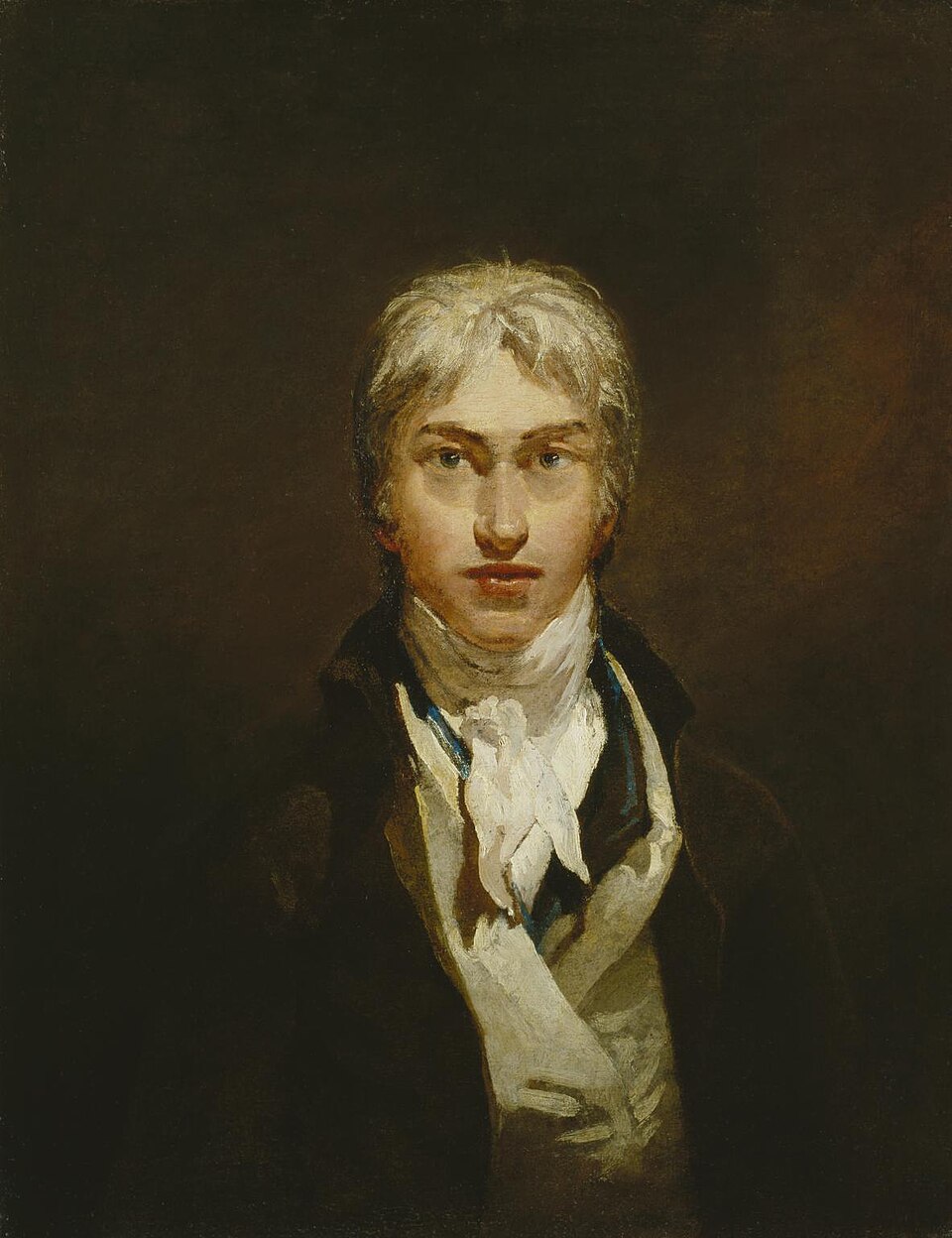
J.M.W. Turner ★
 Art
Art
Romantic landscape painter; today's Turner Prize for modern art, awarded at the Tate, is named after him.
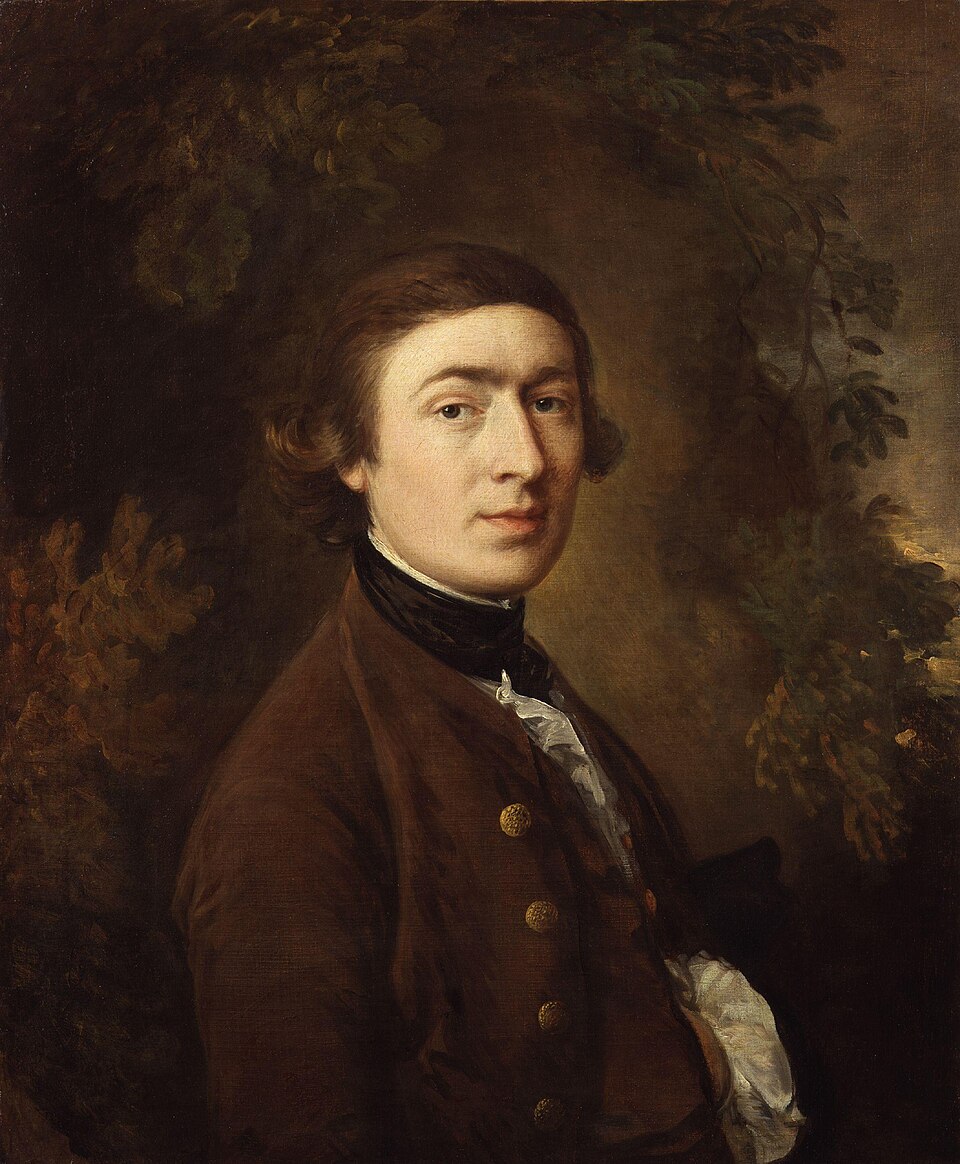
Thomas Gainsborough
 Art
Art
Eighteenth-century portrait painter.
Sir Joshua Reynolds
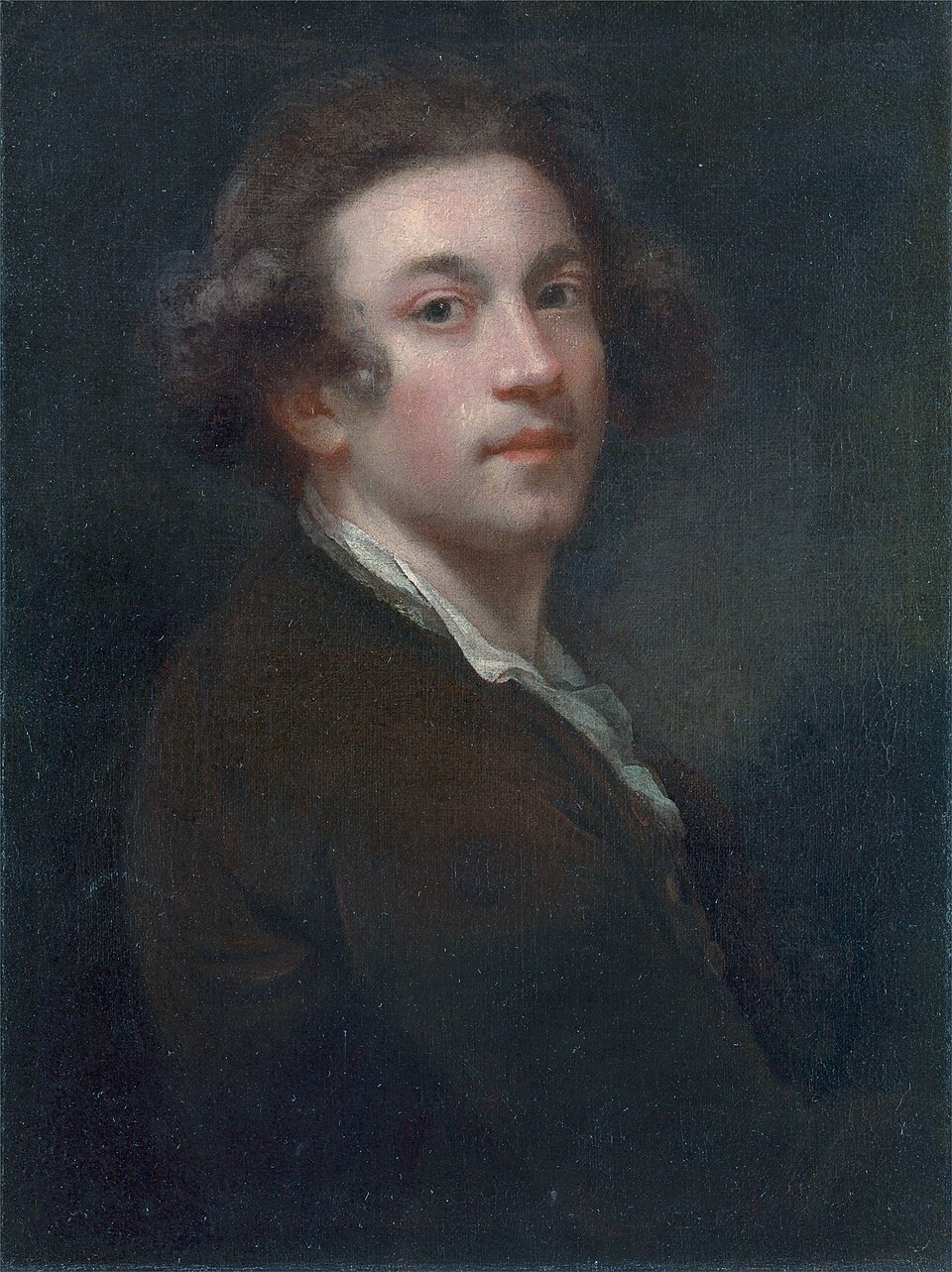 Art
Art
Portrait painter; the first president of the Royal Academy.
John Constable
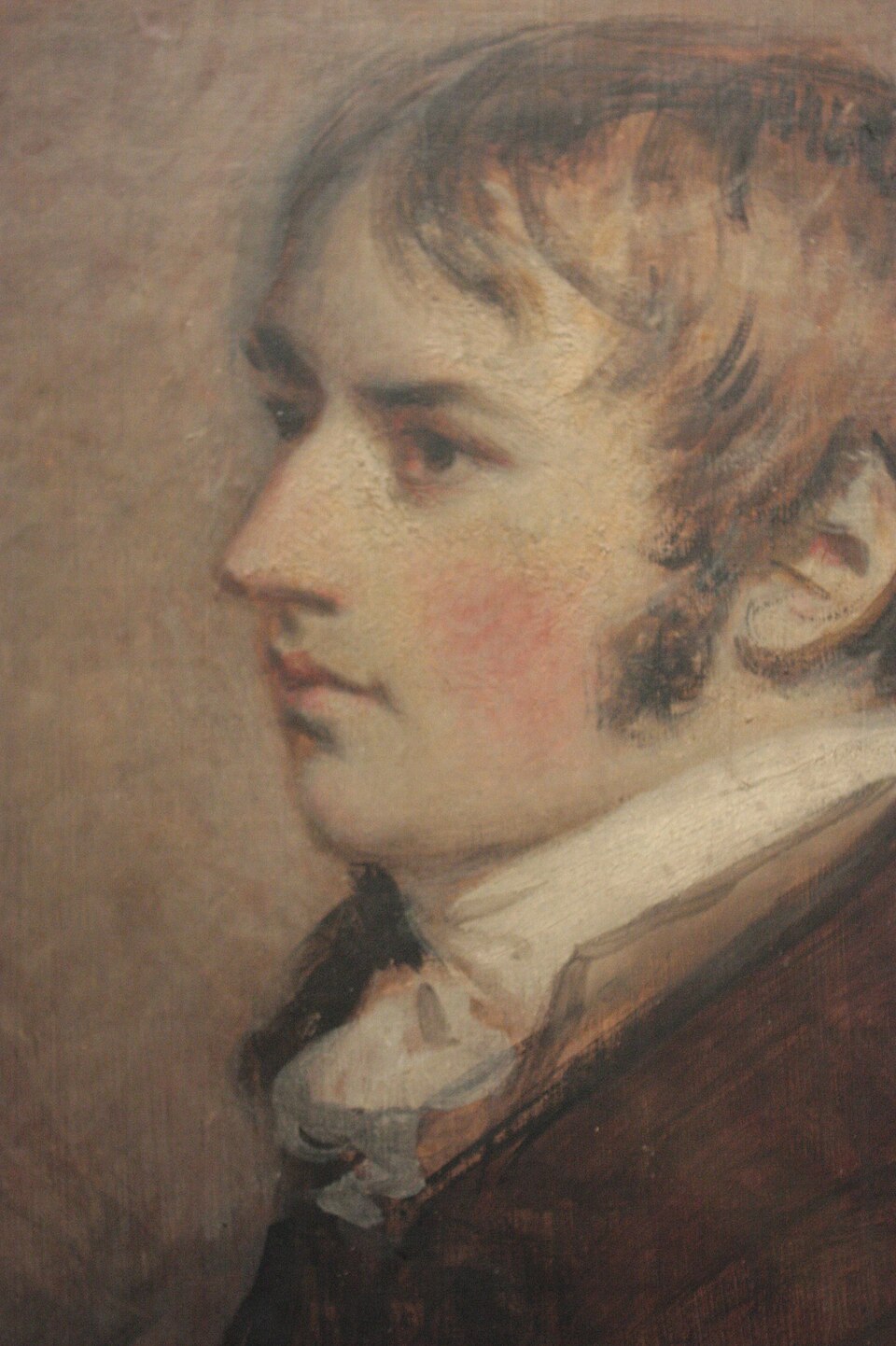 Art
Art
Landscape painter — The Hay Wain.
The Pre-Raphaelite Brotherhood
ArtA nineteenth-century art movement.
Henry Moore
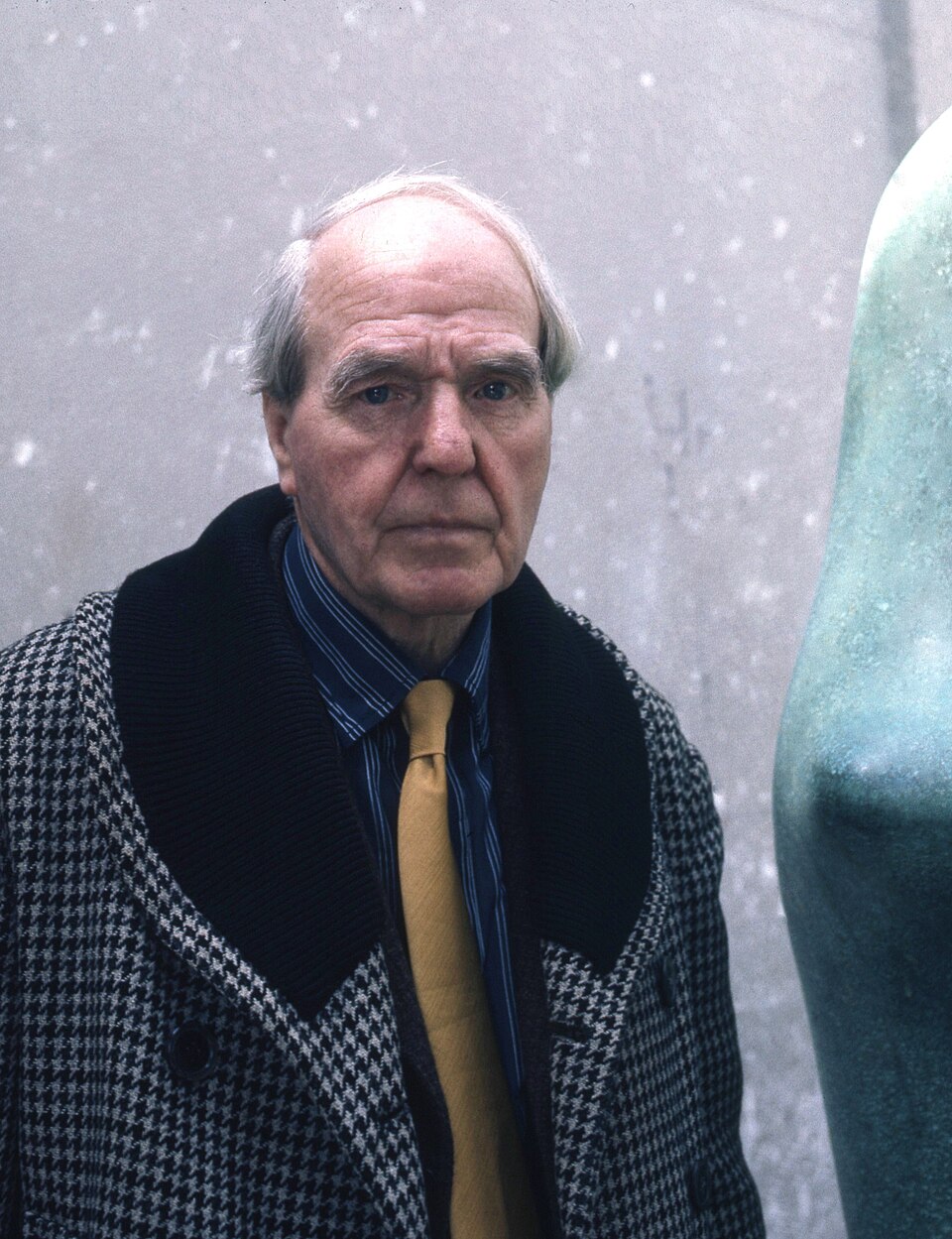 Art
Art
Sculptor known for large abstract bronze figures.
Barbara Hepworth
 Art
Art
Twentieth-century sculptor.
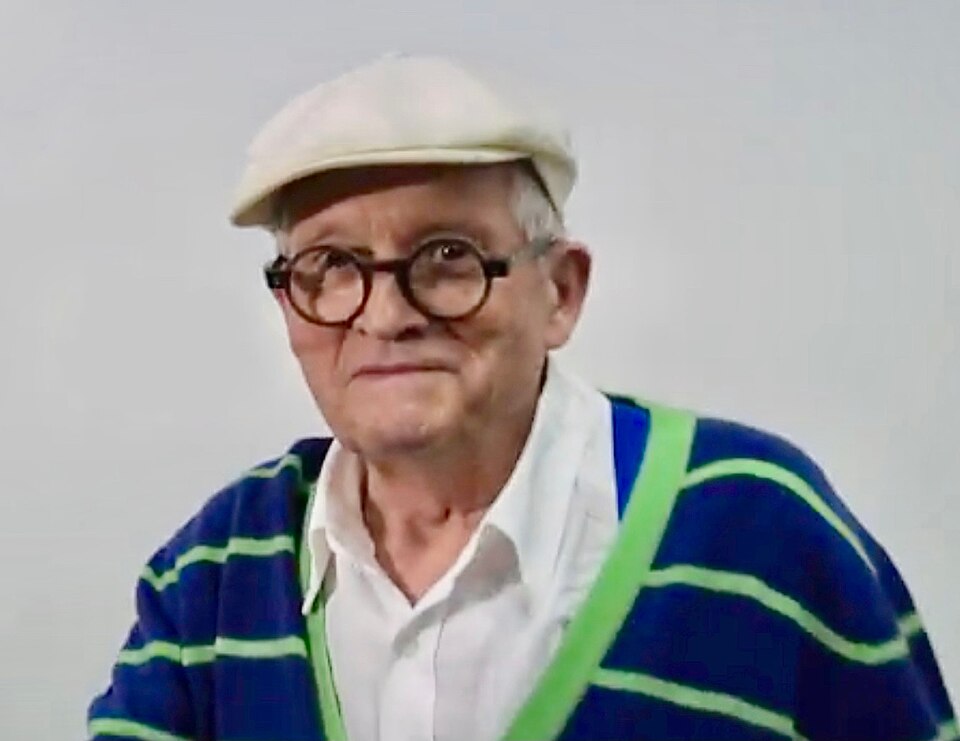
David Hockney
 Art
Art
Contemporary painter, from the Pop-art era onward.
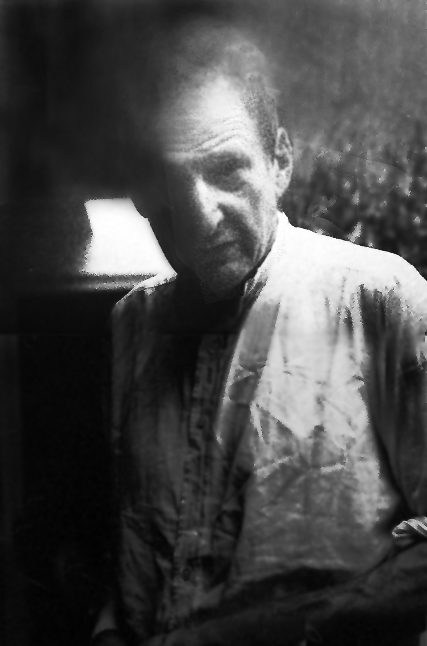
Lucian Freud
 Art
Art
Twentieth-century portrait painter.
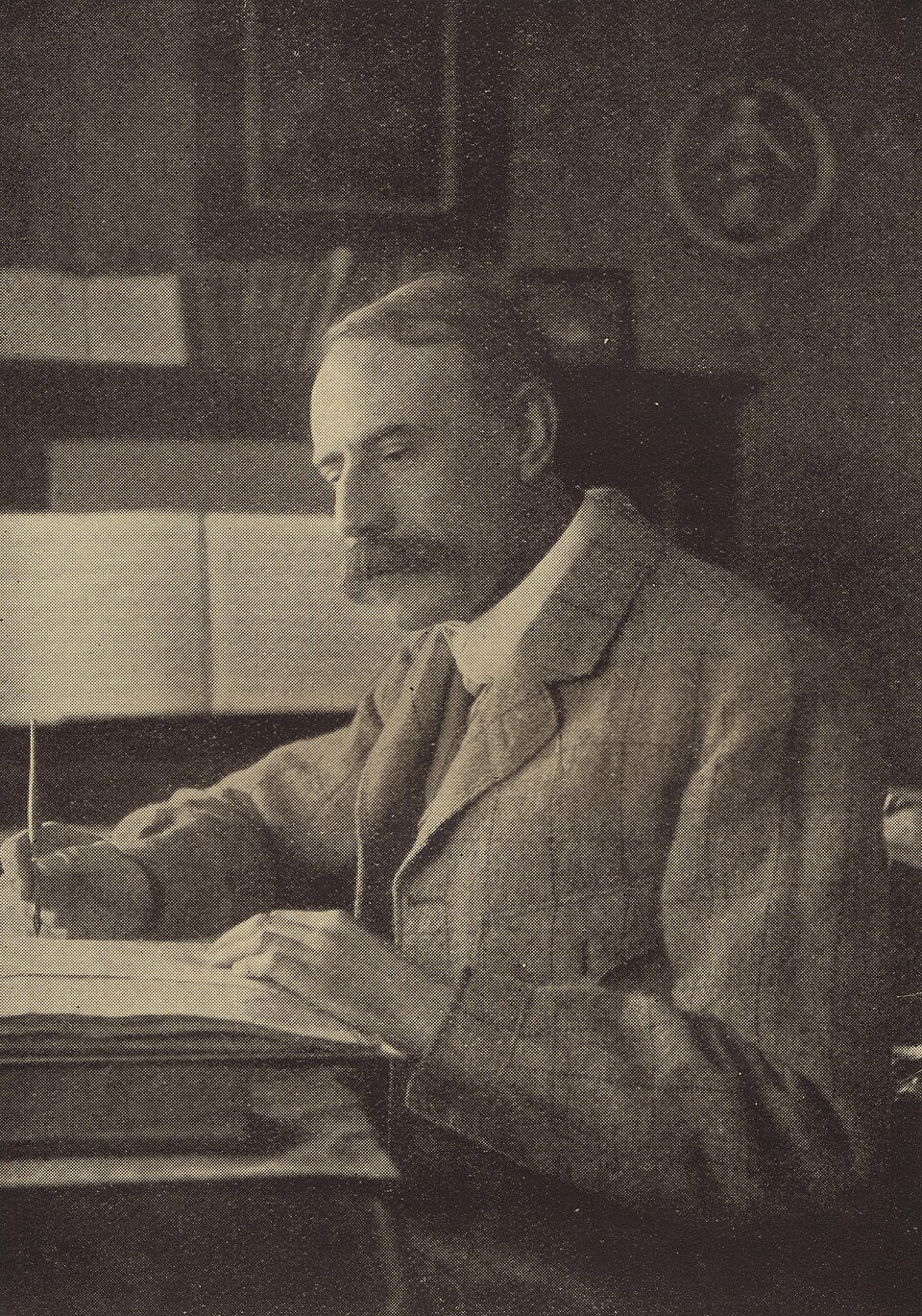
Sir Edward Elgar ★
 Music
Music
Composer of Pomp and Circumstance, the source of "Land of Hope and Glory".
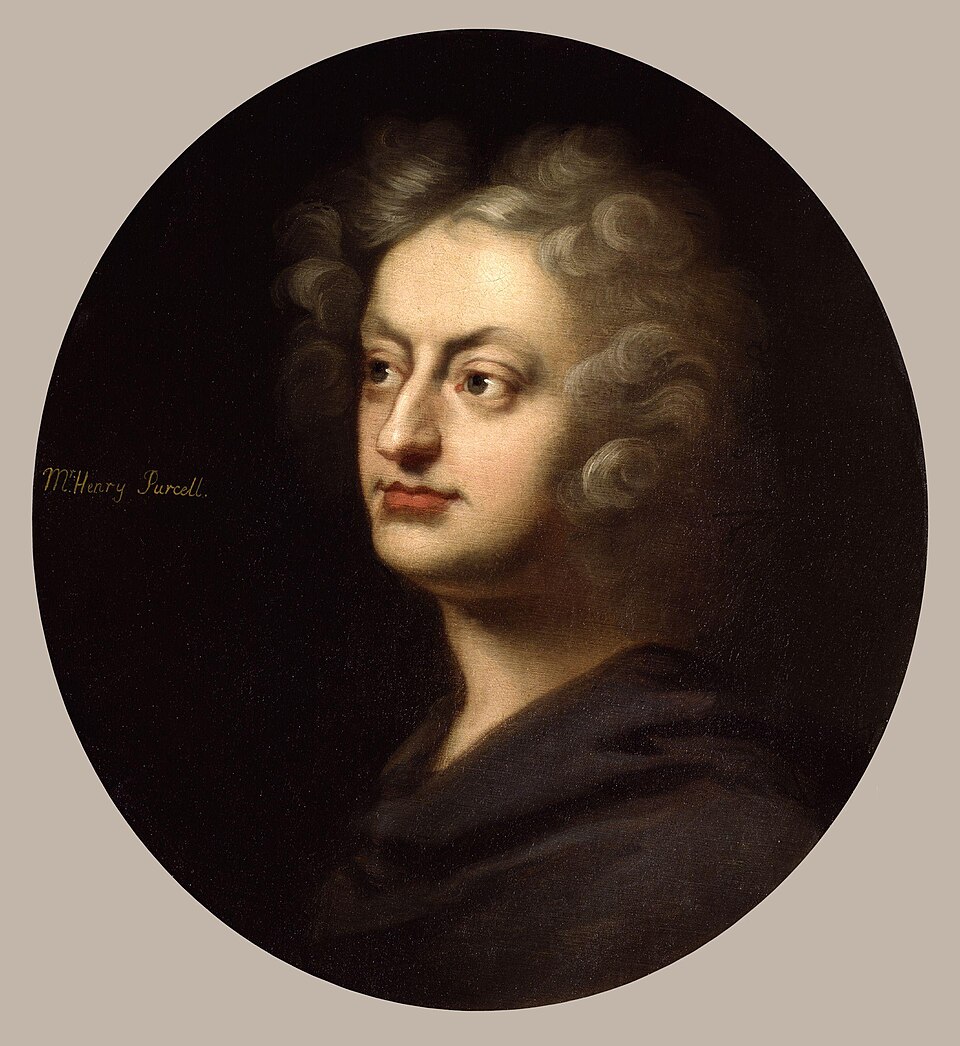
Henry Purcell
 Music
Music
Baroque composer and organist at Westminster Abbey.
George Frideric Handel
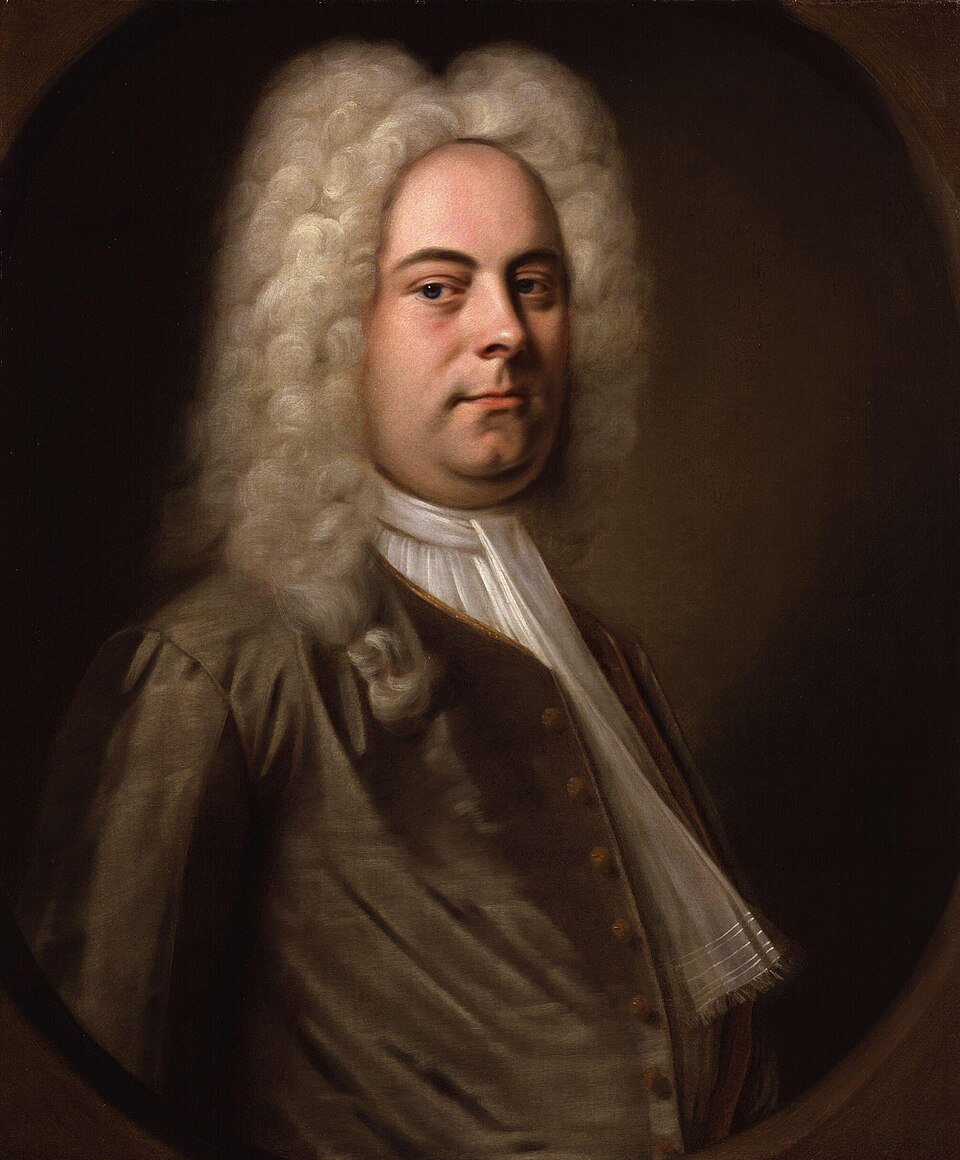 Music
Music
German-born British composer — Messiah, Water Music and Music for the Royal Fireworks.
Gustav Holst
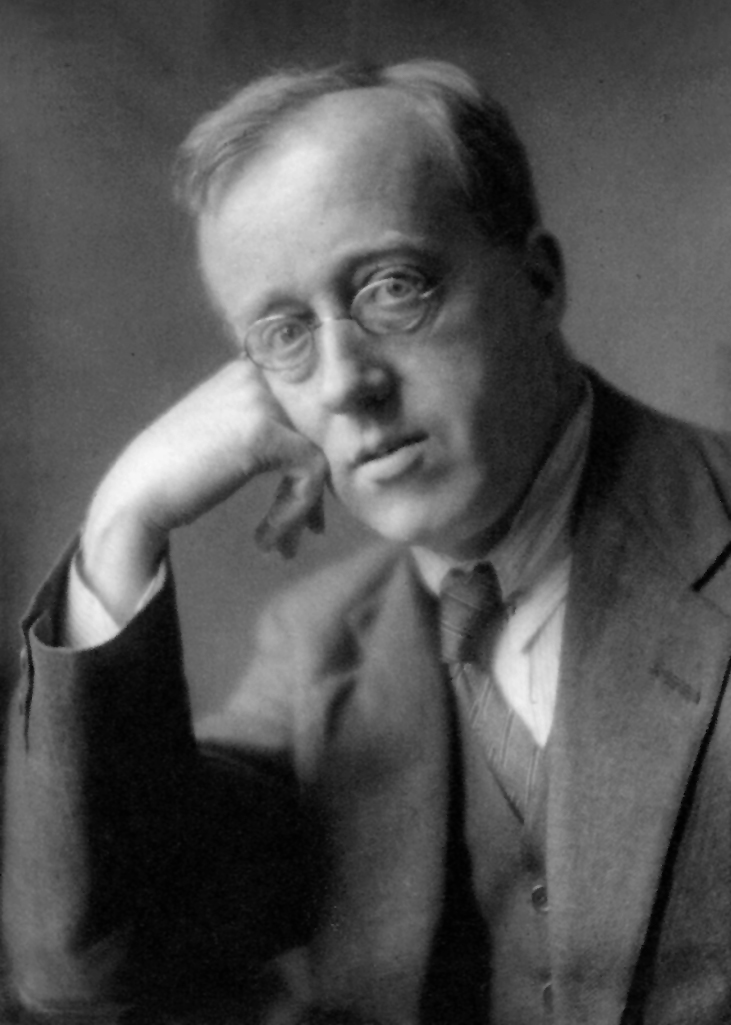 Music
Music
Composer of The Planets.
Ralph Vaughan Williams
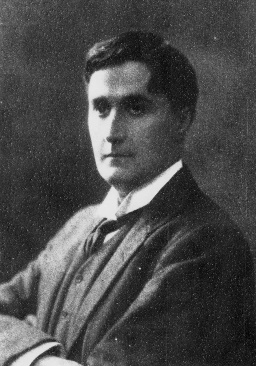 Music
Music
English composer.
Benjamin Britten
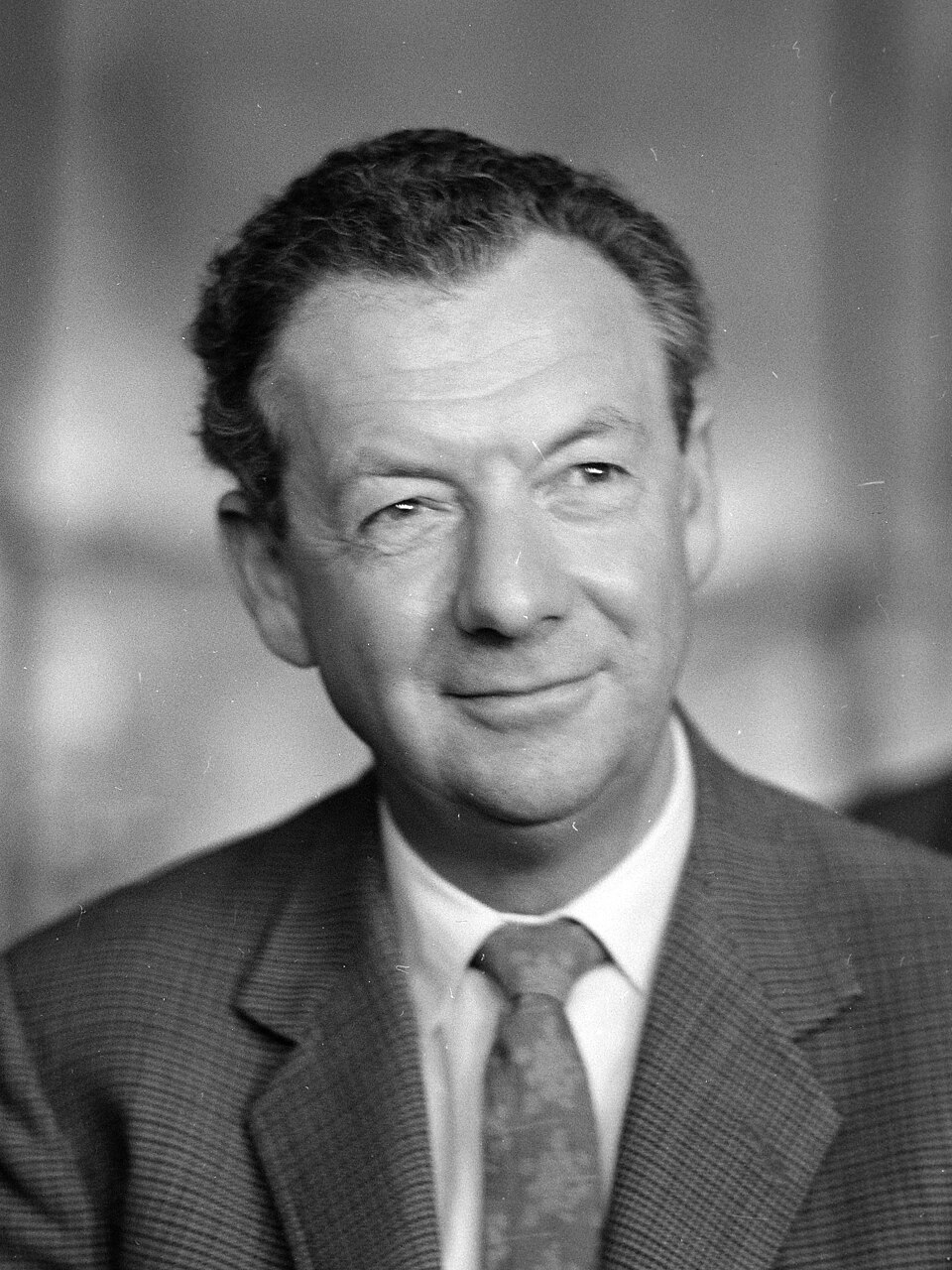 Music
Music
Composer of The Young Person's Guide to the Orchestra; founded the Aldeburgh Festival.
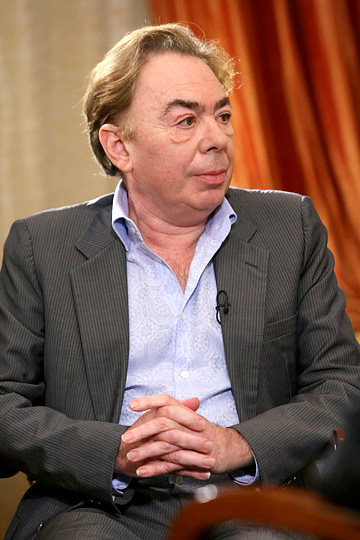
Andrew Lloyd Webber
 Music
Music
Modern musical theatre — Cats and The Phantom of the Opera.
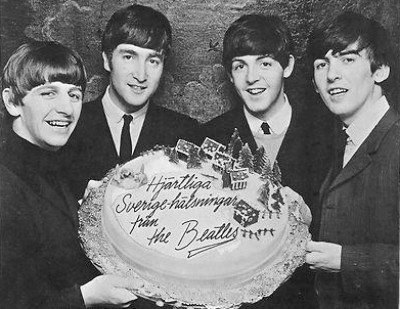
The Beatles & the Rolling Stones
 Music
Music
Defining British popular music of the 1960s.
The Proms
MusicAn annual season of classical concerts; the Last Night of the Proms is held at the Royal Albert Hall.
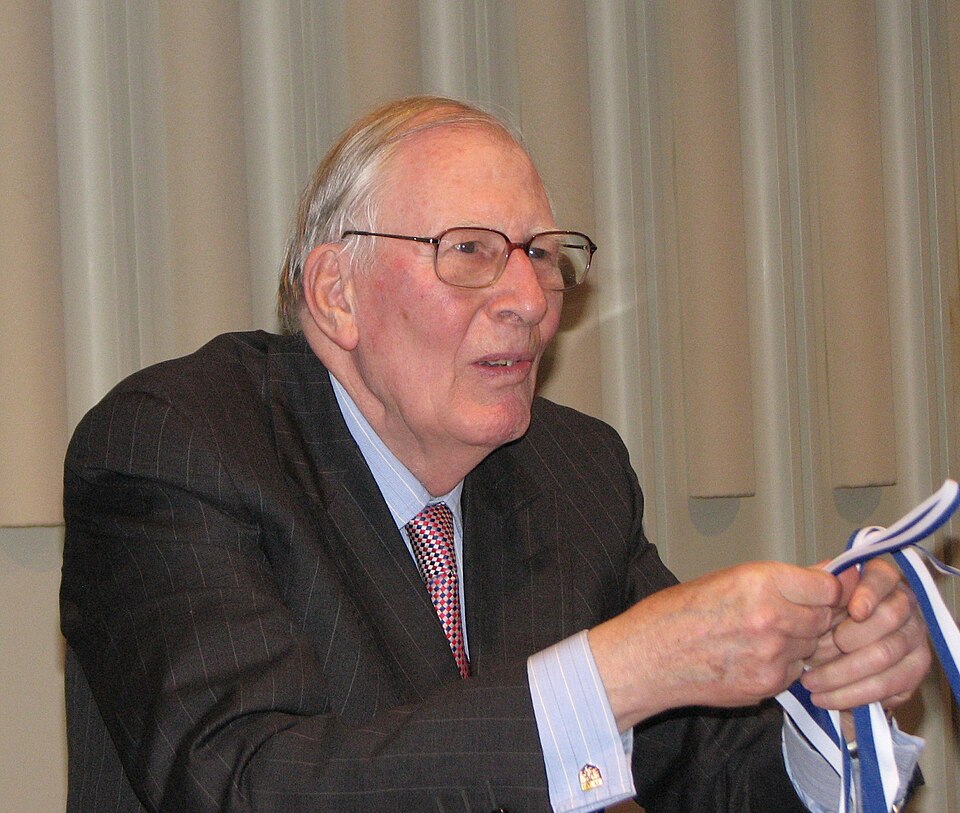
Sir Roger Bannister ★
 Sport
Sport
First person to run a mile in under four minutes, in 1954.
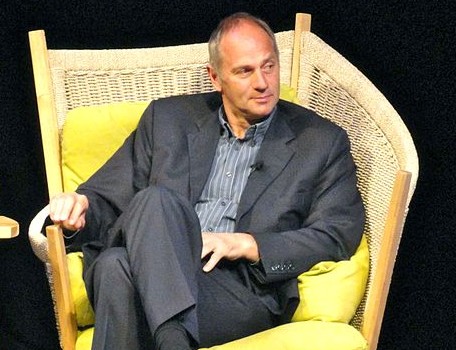
Sir Steve Redgrave
 Sport
Sport
Rower who won gold at five consecutive Olympic Games.
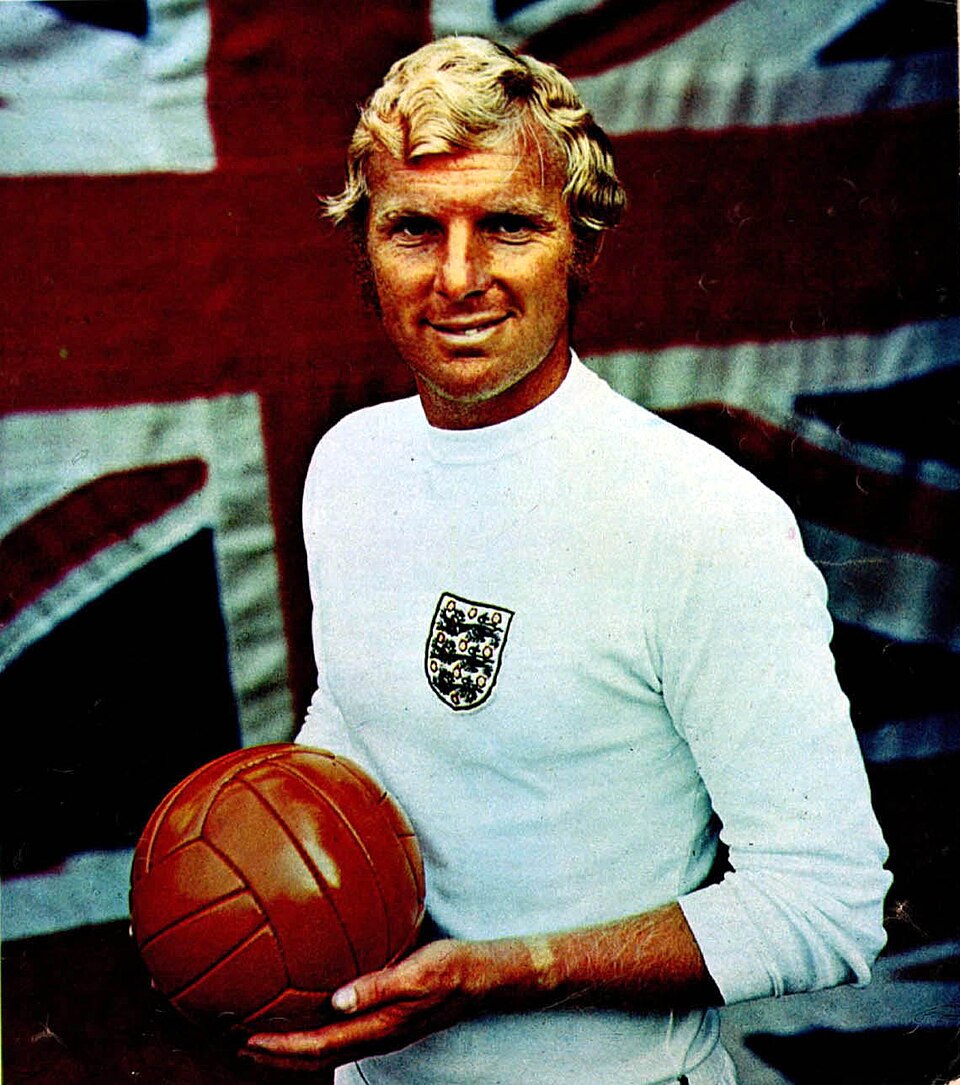
Bobby Moore
 Sport
Sport
Captained England to victory in the 1966 FIFA World Cup.
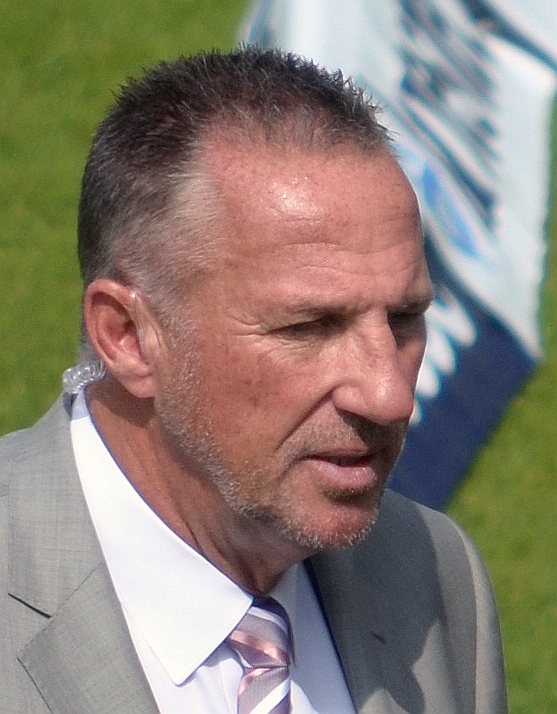
Sir Ian Botham
 Sport
Sport
Celebrated cricketer.
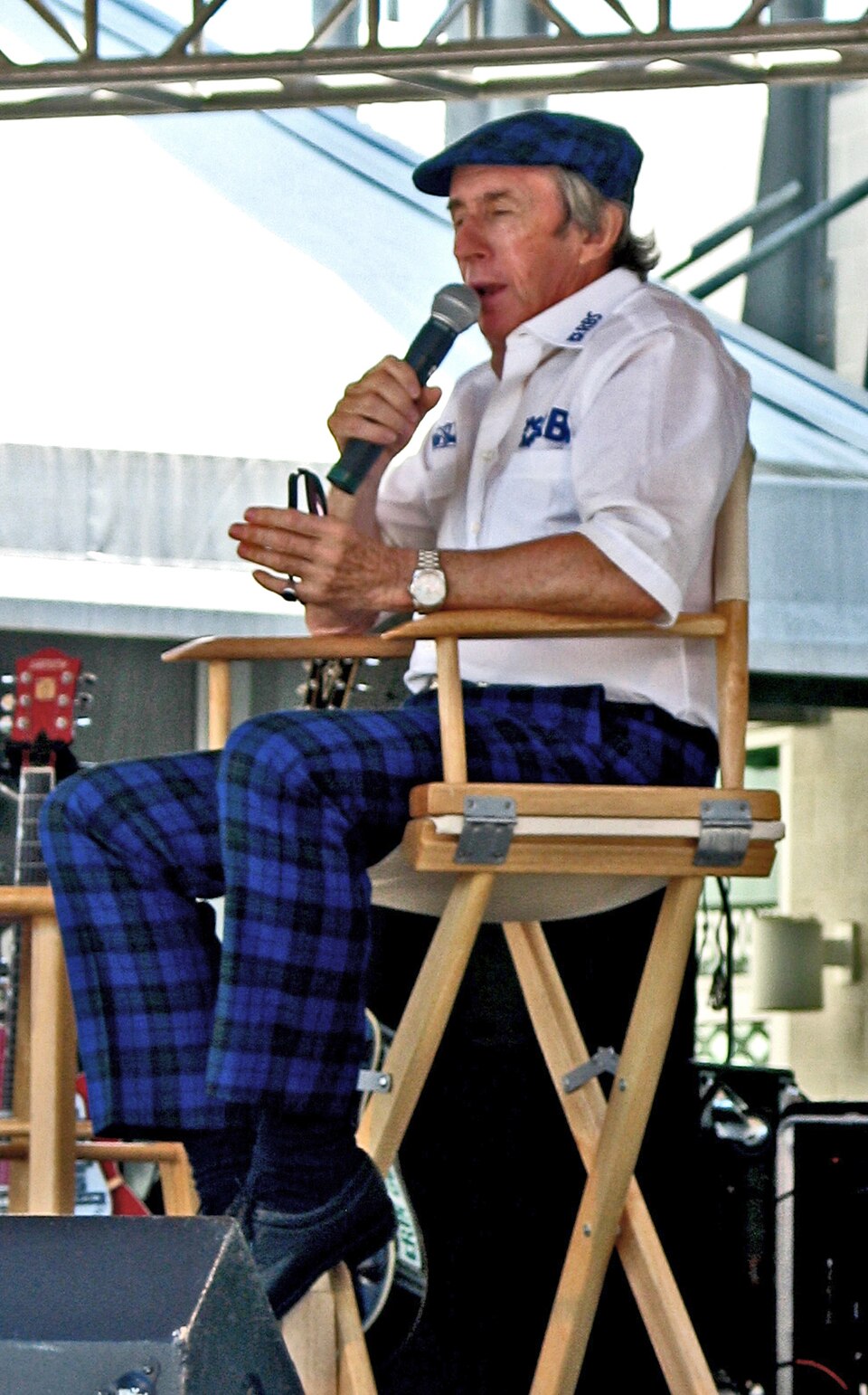
Sir Jackie Stewart & Lewis Hamilton
 Sport
Sport
Formula 1 world champions — Stewart Scottish; Hamilton a multiple title-winner.
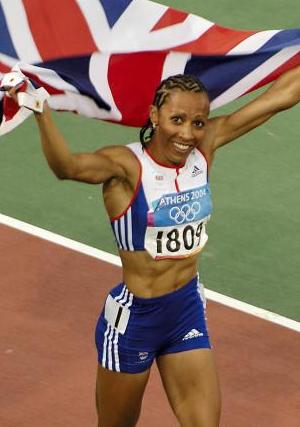
Dame Kelly Holmes
 Sport
Sport
Won 800 m and 1500 m gold at the Athens 2004 Olympics.
Dame Ellen MacArthur
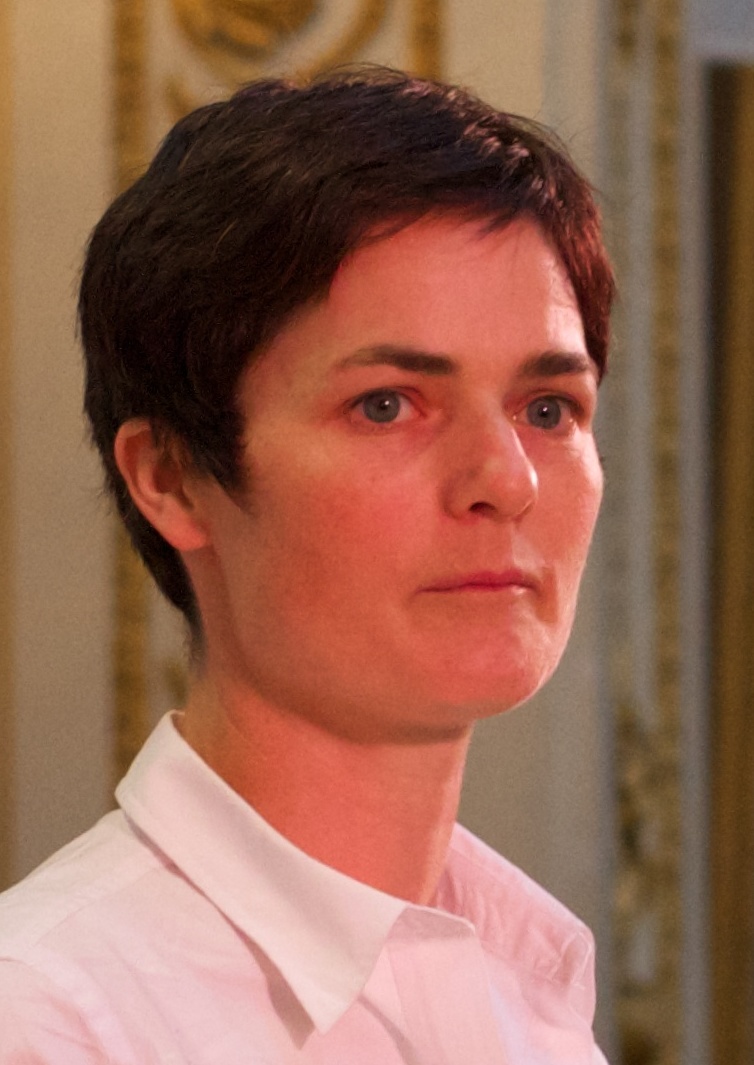 Sport
Sport
Set the record for the fastest solo sail around the world in 2005.
Sir Chris Hoy
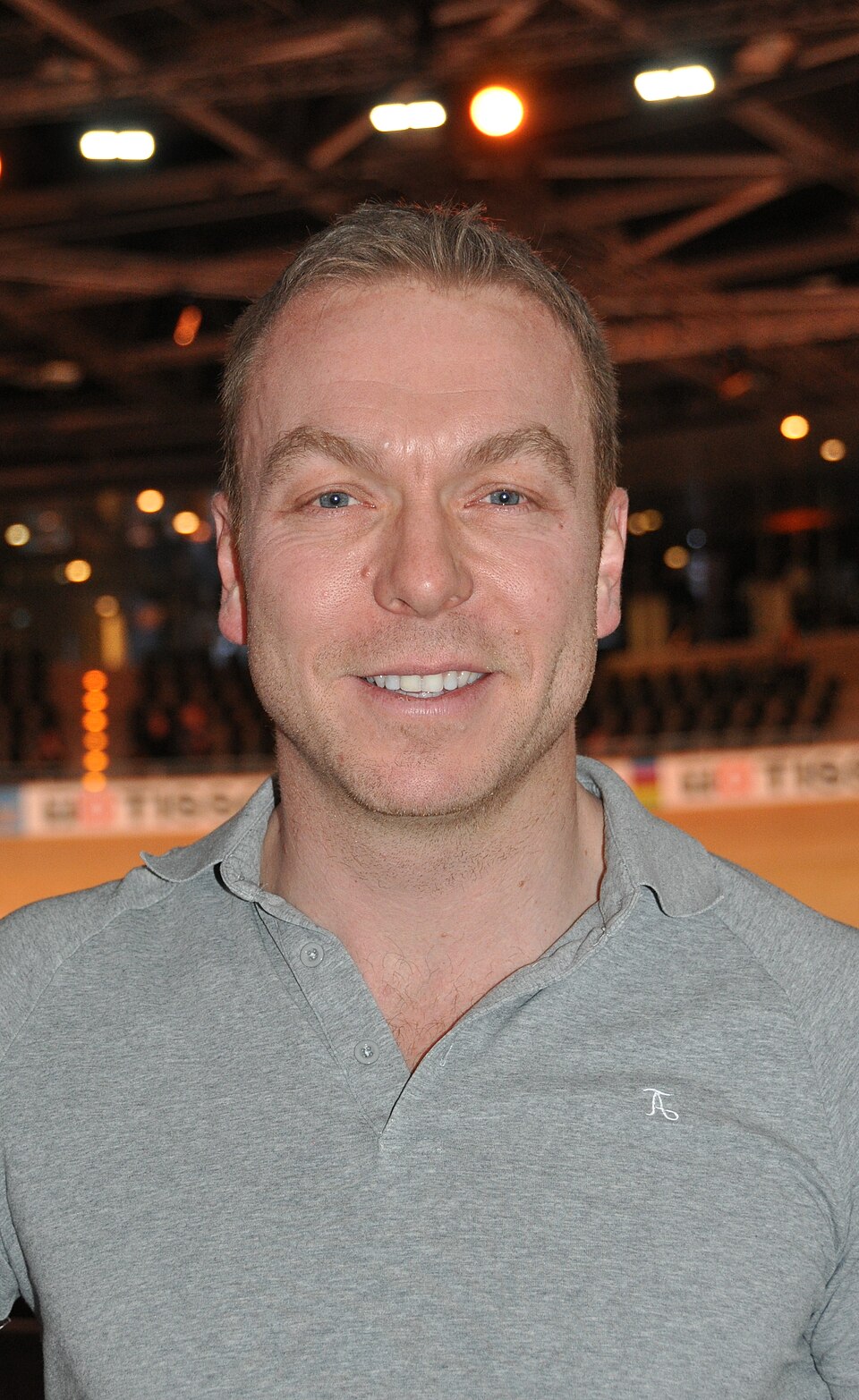 Sport
Sport
Scottish cyclist with multiple Olympic gold medals.
Sir Mo Farah
SportLong-distance runner with multiple Olympic gold medals.
Sir Andy Murray
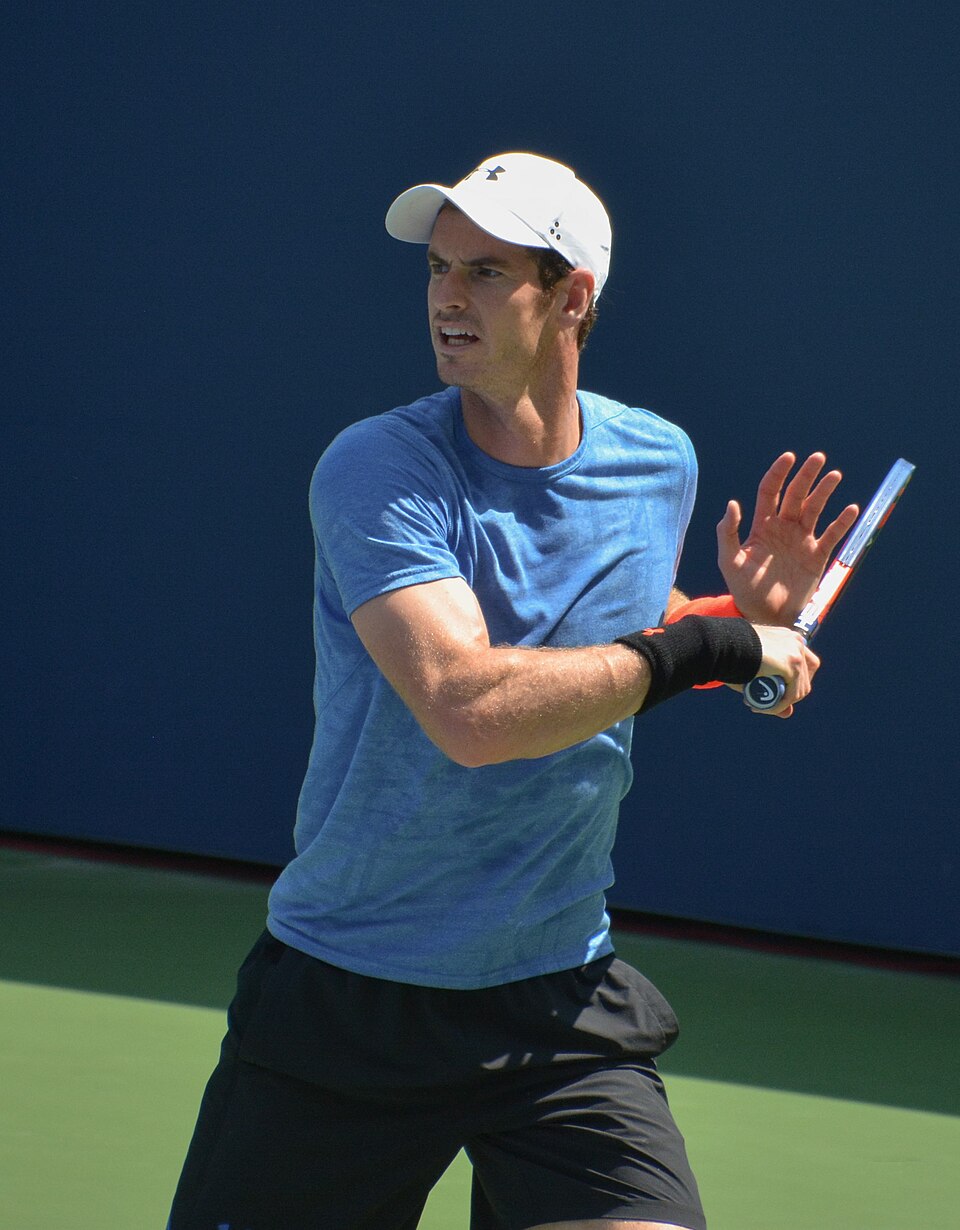 Sport
Sport
Scottish tennis player; Wimbledon and Olympic champion.
Jessica Ennis-Hill
SportWon heptathlon gold at the London 2012 Olympics.
Bradley Wiggins
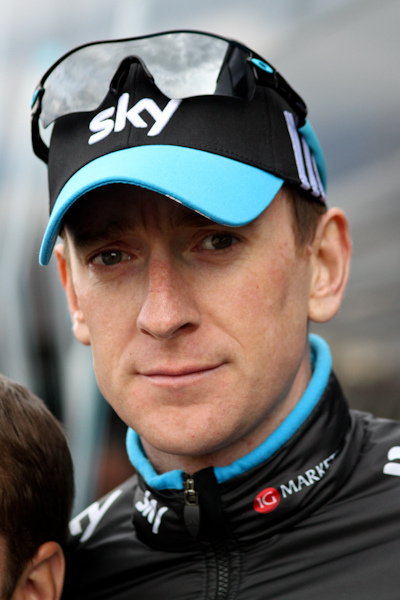 Sport
Sport
First British rider to win the Tour de France, in 2012.
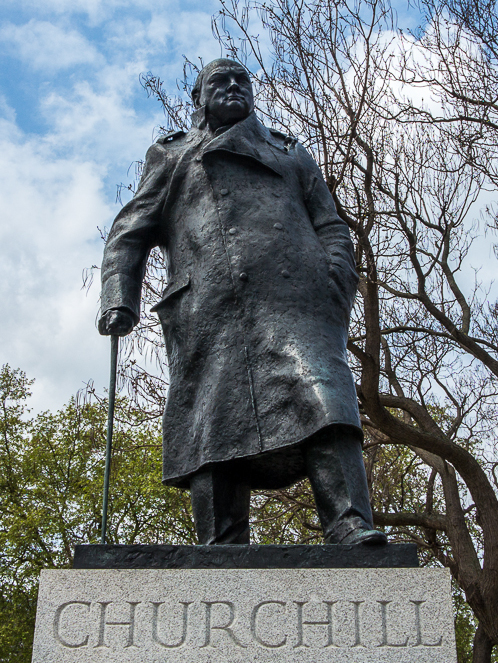
Sir Winston Churchill ★
 Politics
Prime Minister through the Second World War; voted Greatest Briton in a 2002 poll. Died in 1965.
Margaret Thatcher ★
PoliticsThe first female Prime Minister; Conservative leader in office from 1979 to 1990.
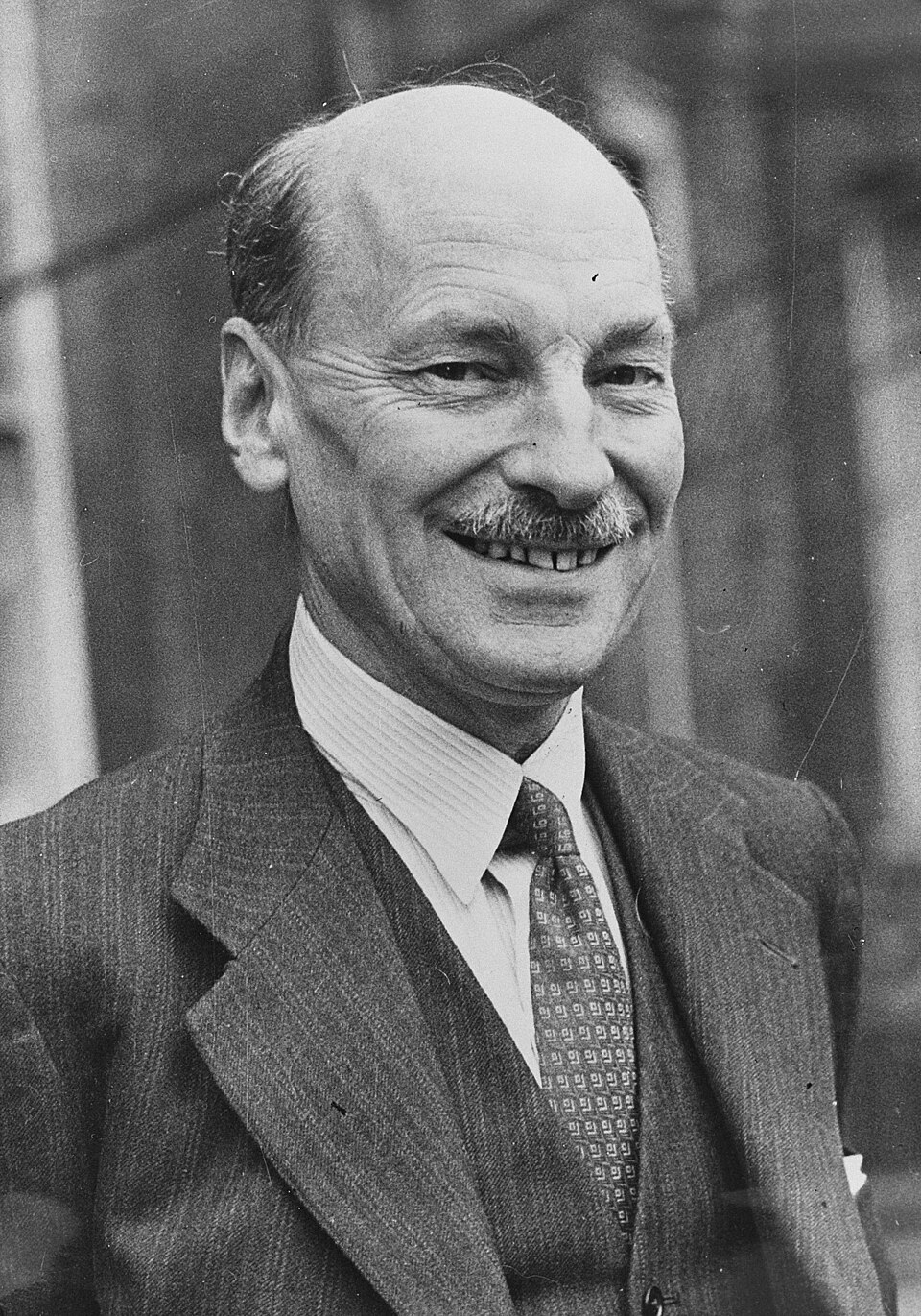
Clement Attlee
 Politics
Post-war Labour Prime Minister who built the welfare state and set up the NHS in 1948.
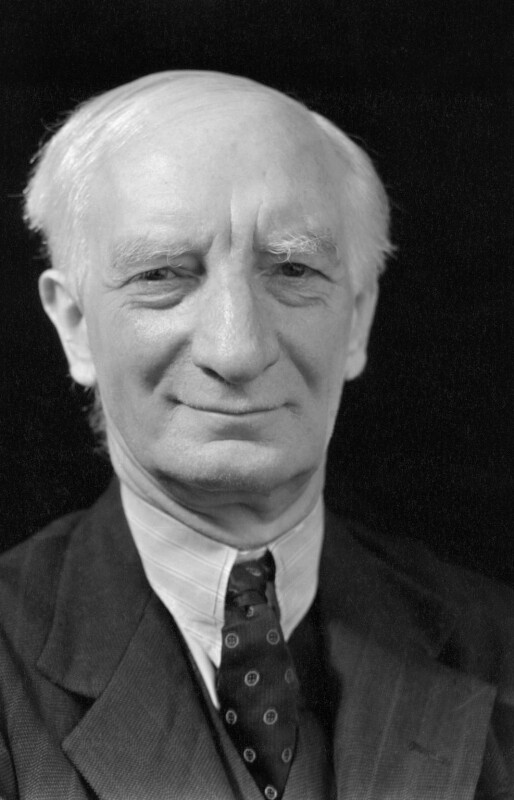
William Beveridge
 Reform
His 1942 report became the blueprint for the welfare state.
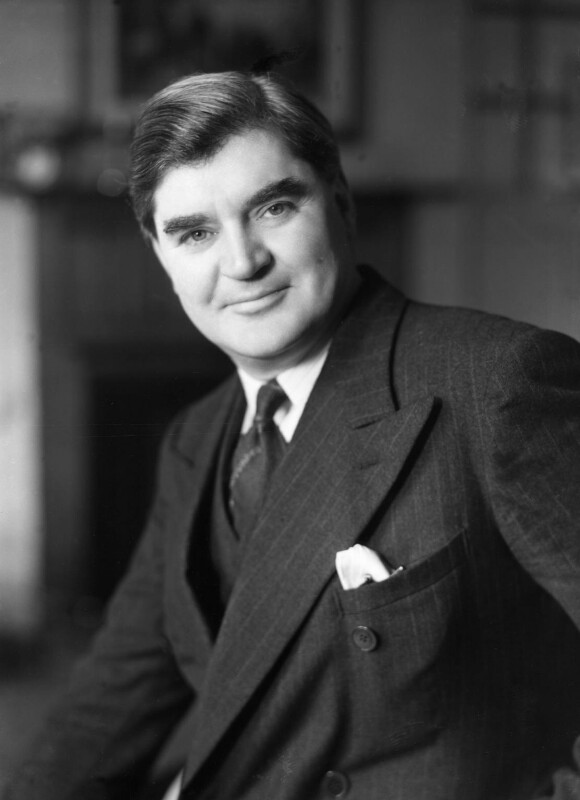
Aneurin (Nye) Bevan
 Reform
Drove the creation of the NHS in 1948.
Emmeline Pankhurst
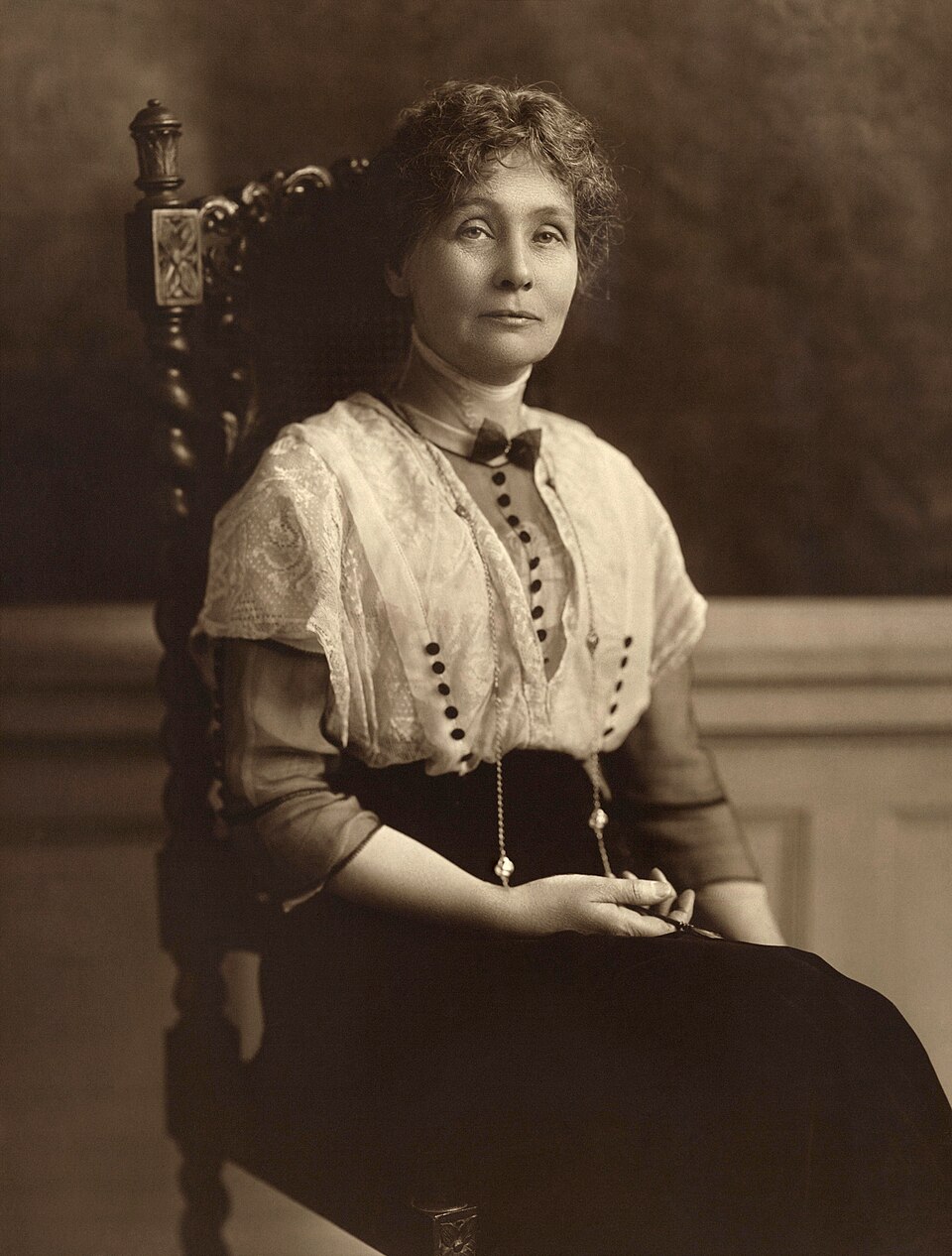 Reform
Led the suffragette campaign for women's right to vote.
William Wilberforce
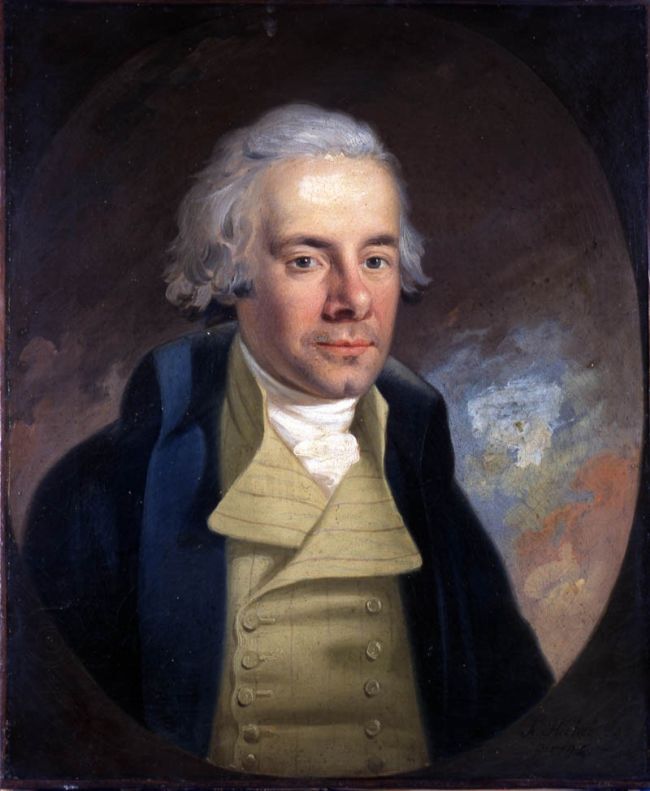 Reform
Led the campaign to abolish the slave trade, ended in 1807.
Mary Seacole
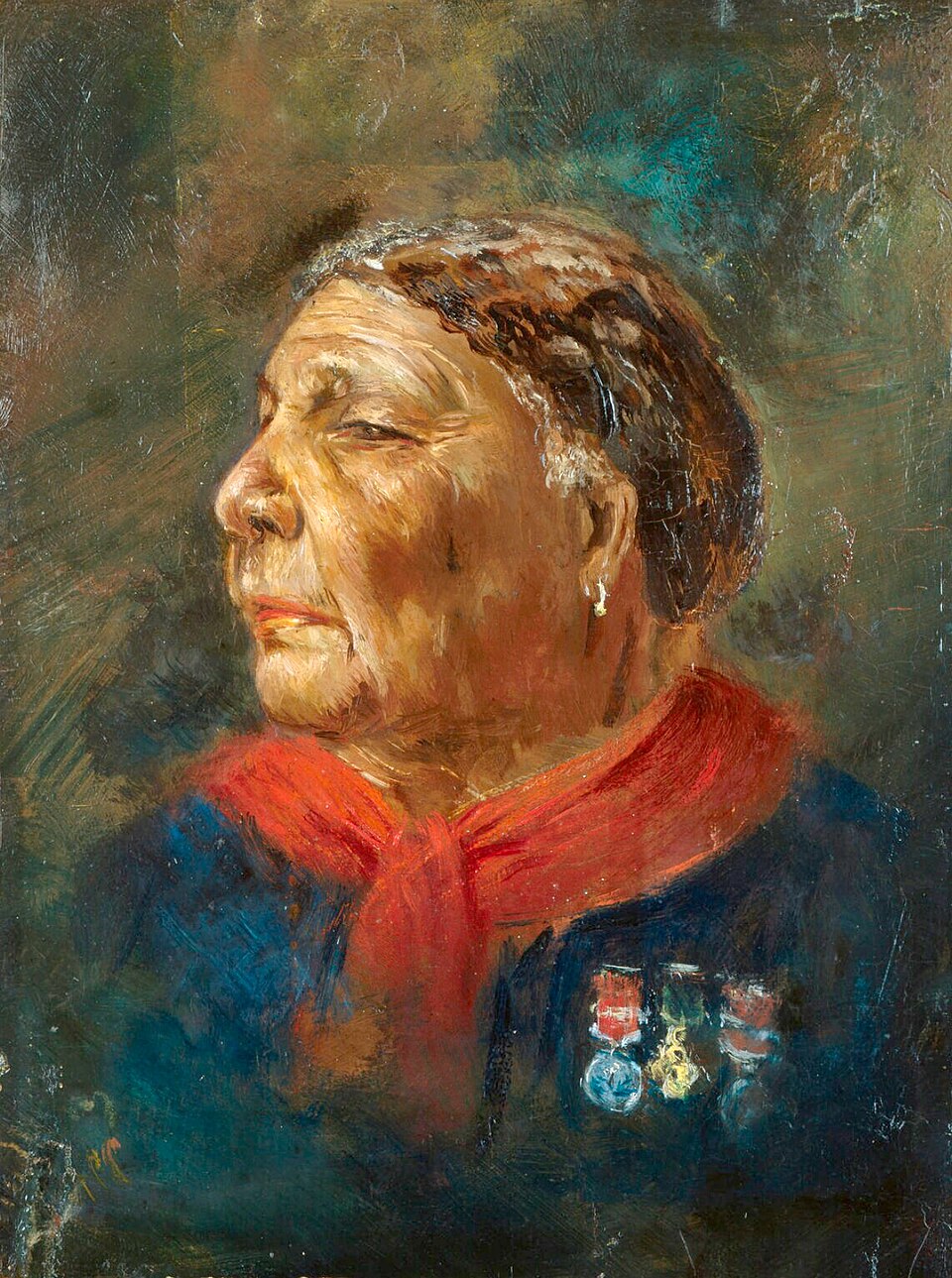 Reform
Jamaican-British nurse who cared for soldiers during the Crimean War.
Sake Dean Mahomet
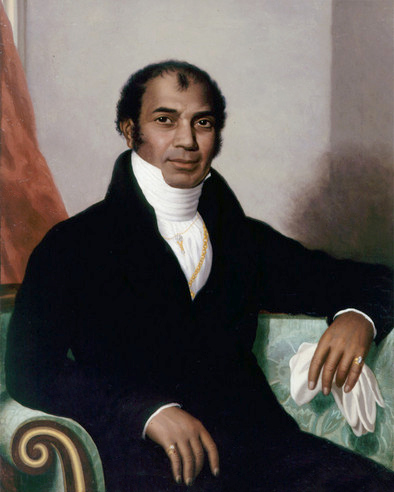 Society
Opened the first curry house in Britain and introduced "shampooing".
Mary Quant ★
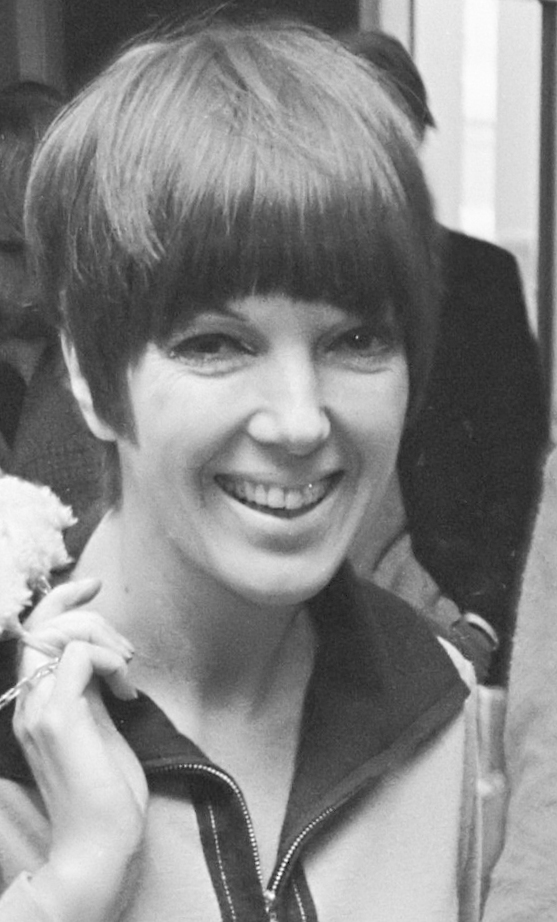 Fashion
1960s designer who popularised the miniskirt and shaped the "Swinging Sixties" London look.
Vivienne Westwood
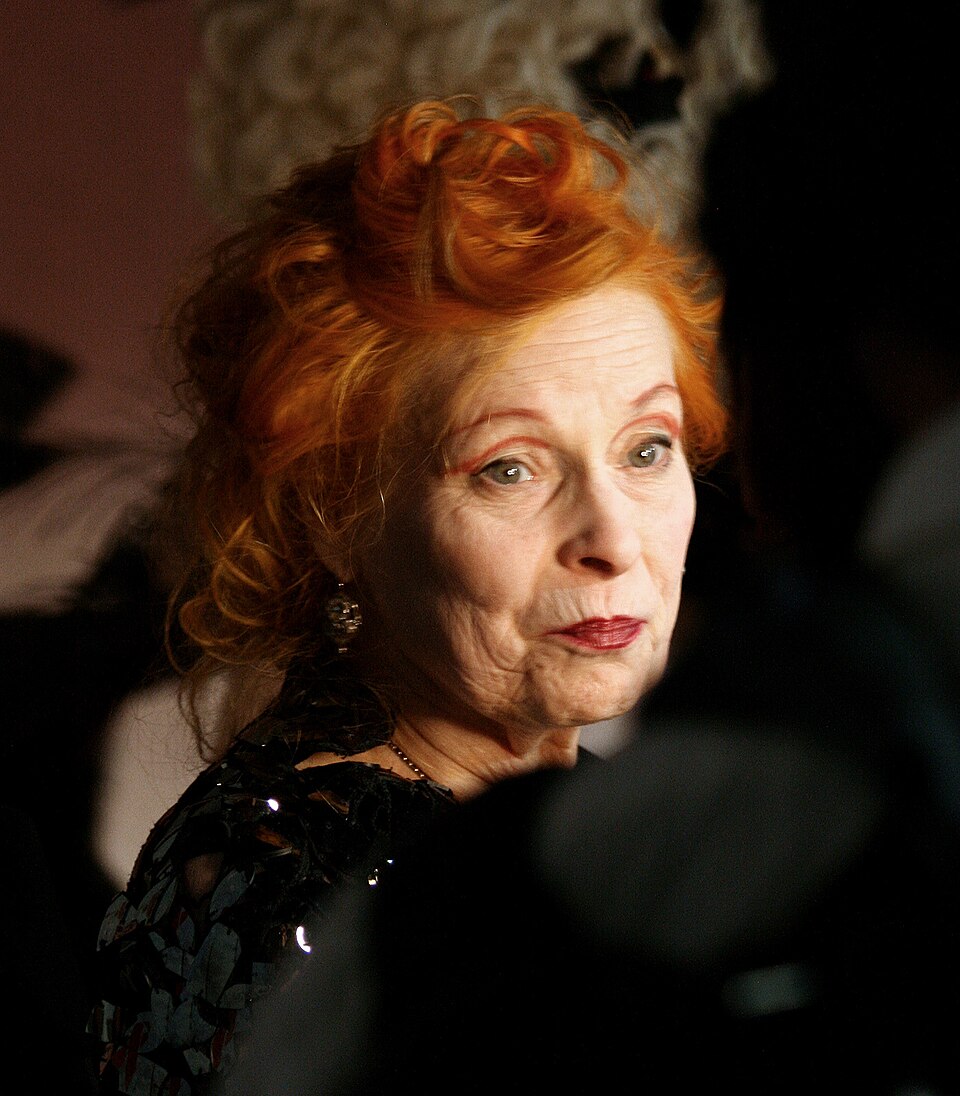 Fashion
A pioneer of British punk fashion.
Alexander McQueen
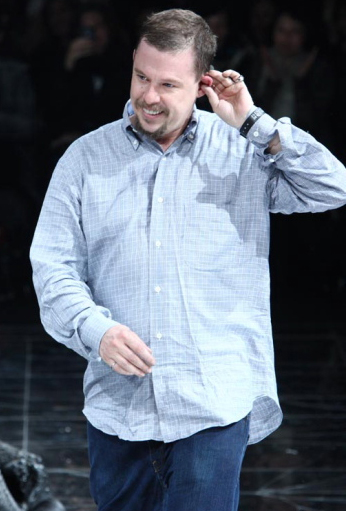 Fashion
British fashion designer (Lee Alexander McQueen) known for dramatic, avant-garde tailoring and theatrical catwalk shows.
Stella McCartney
FashionBritish fashion designer known for sustainable, vegan fashion that avoids leather and fur; daughter of Paul McCartney.
Sir Francis Drake
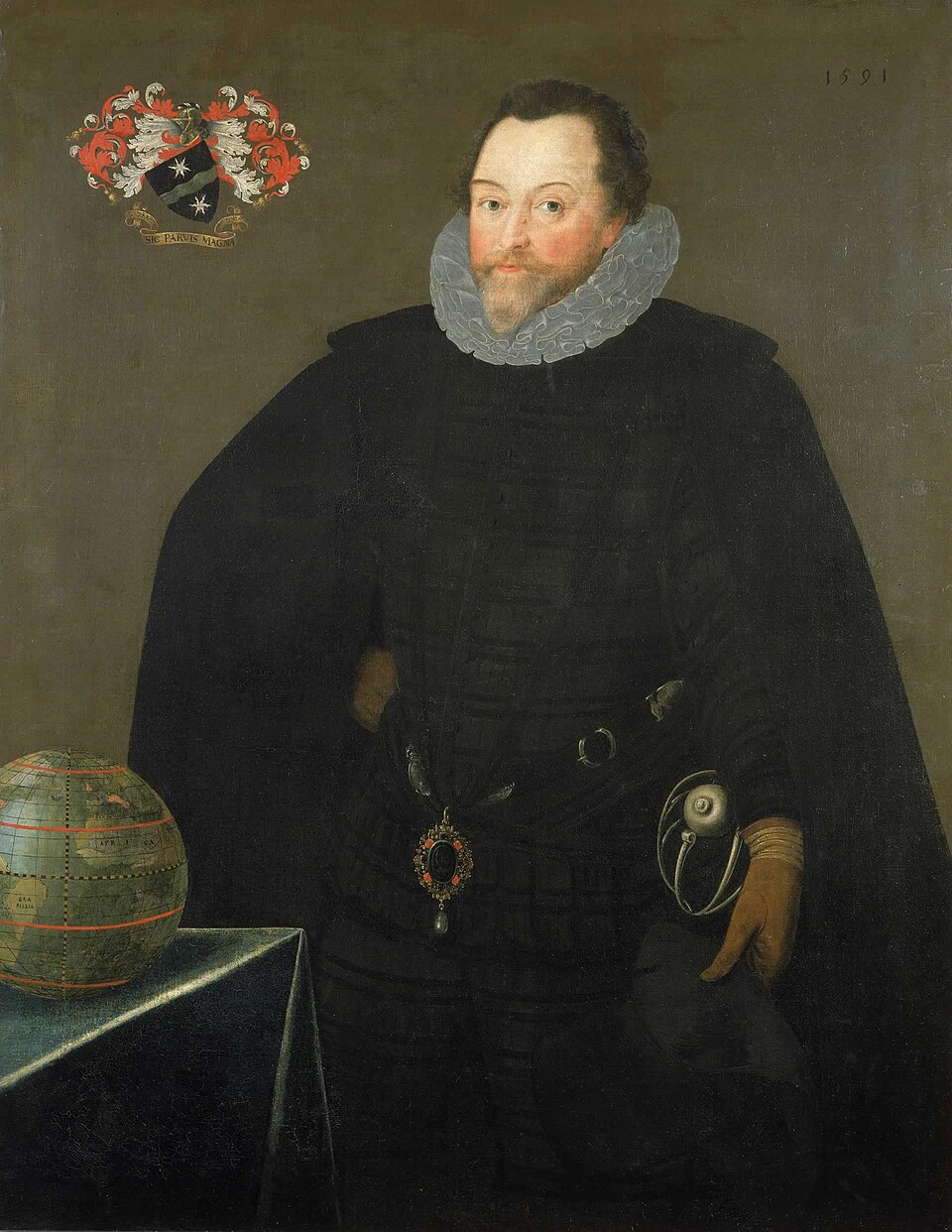 Exploration
First Englishman to sail around the world, in the Golden Hind; helped defeat the Spanish Armada.
Captain James Cook
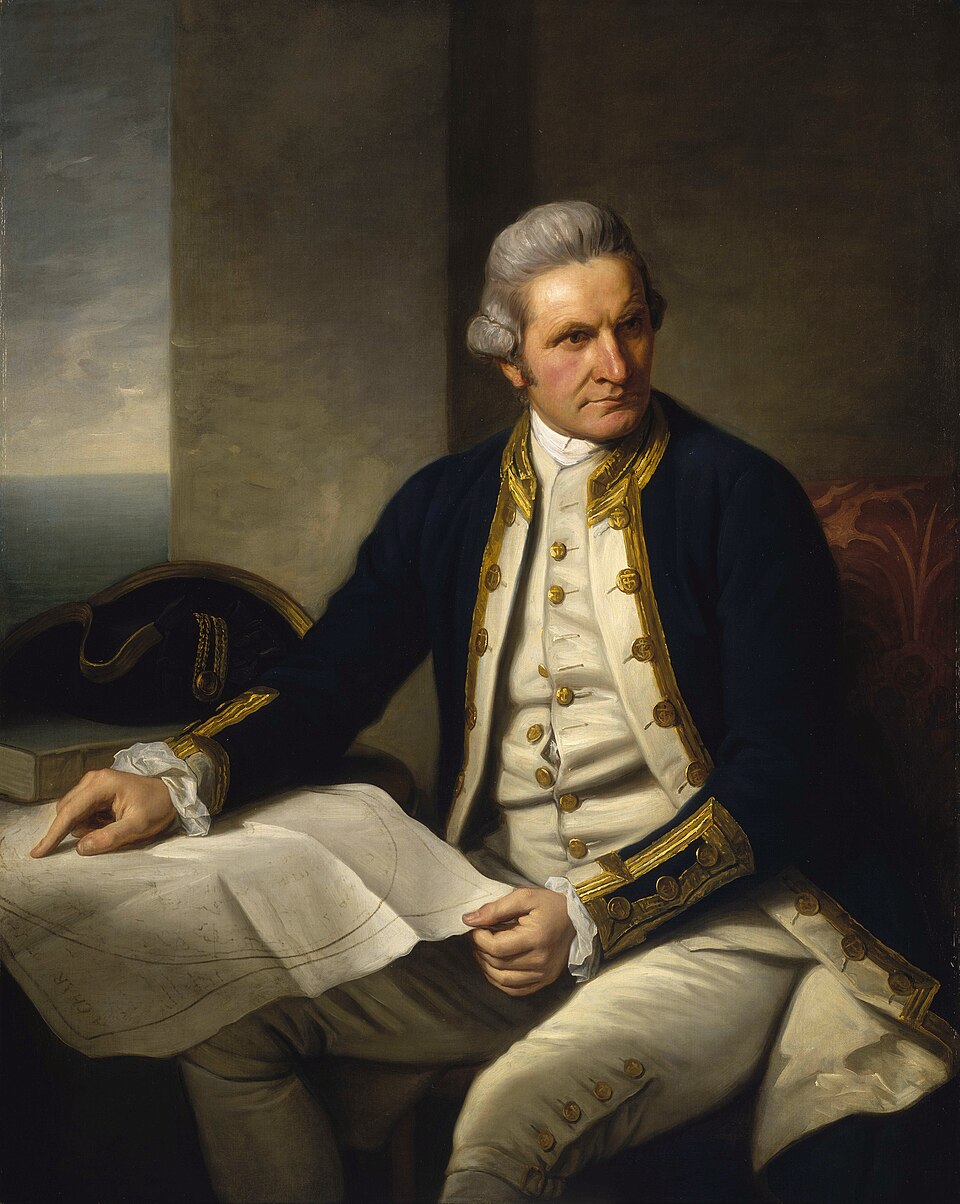 Exploration
Charted the coasts of Australia and New Zealand.
Sir Walter Raleigh
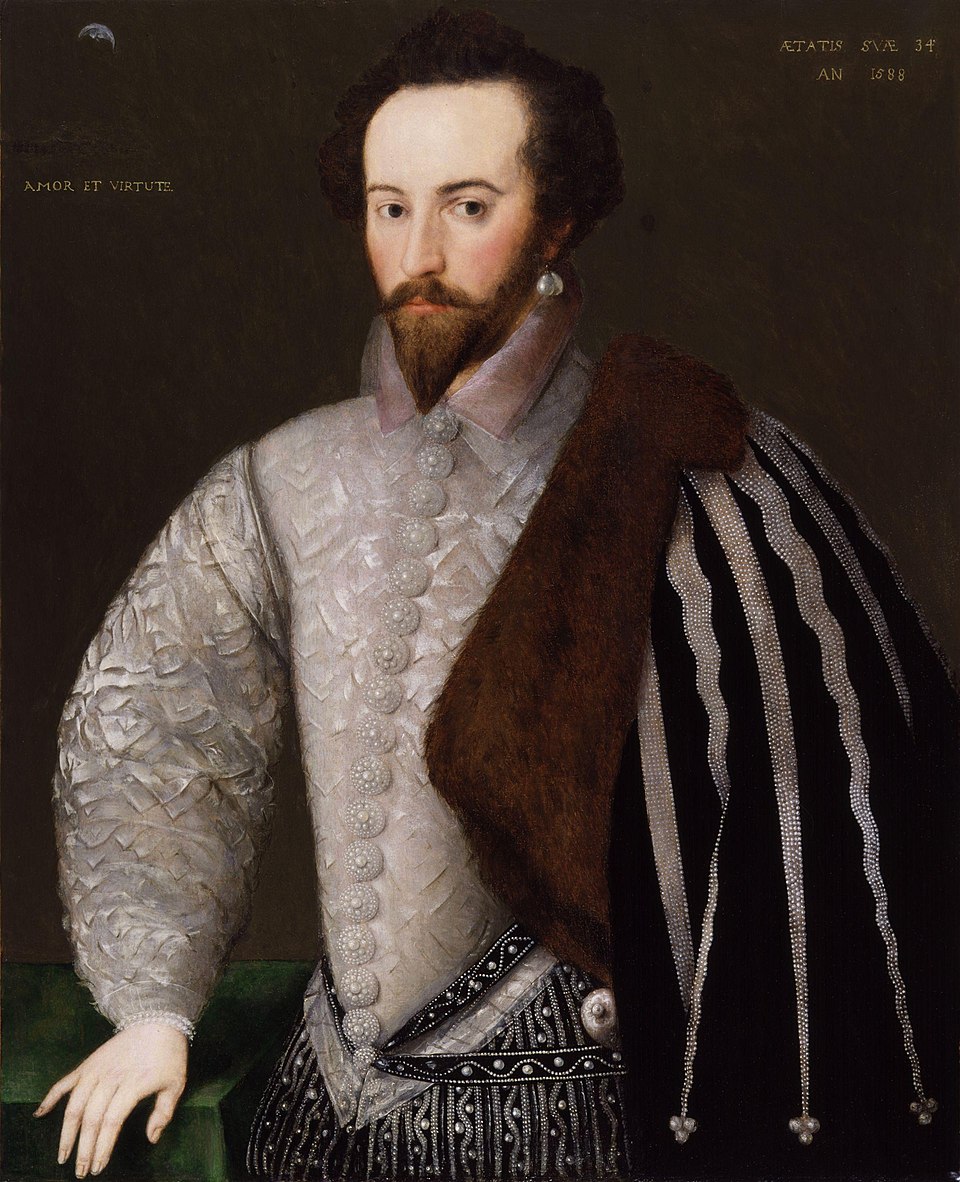 Exploration
Explorer and figure at the Elizabethan court.
Captain Robert Falcon Scott
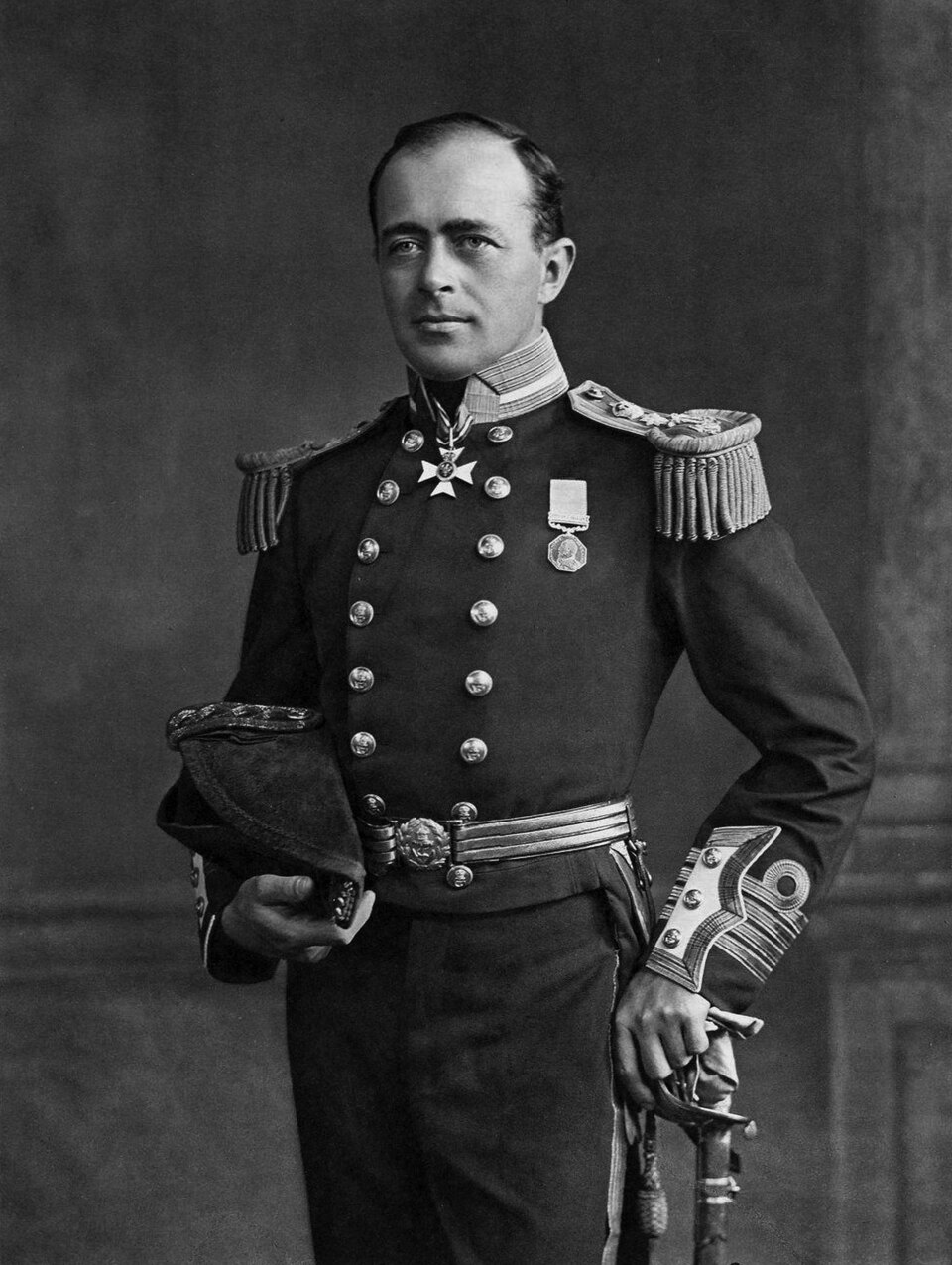 Exploration
Led an Antarctic expedition and died returning from the South Pole.
Sir Ernest Shackleton
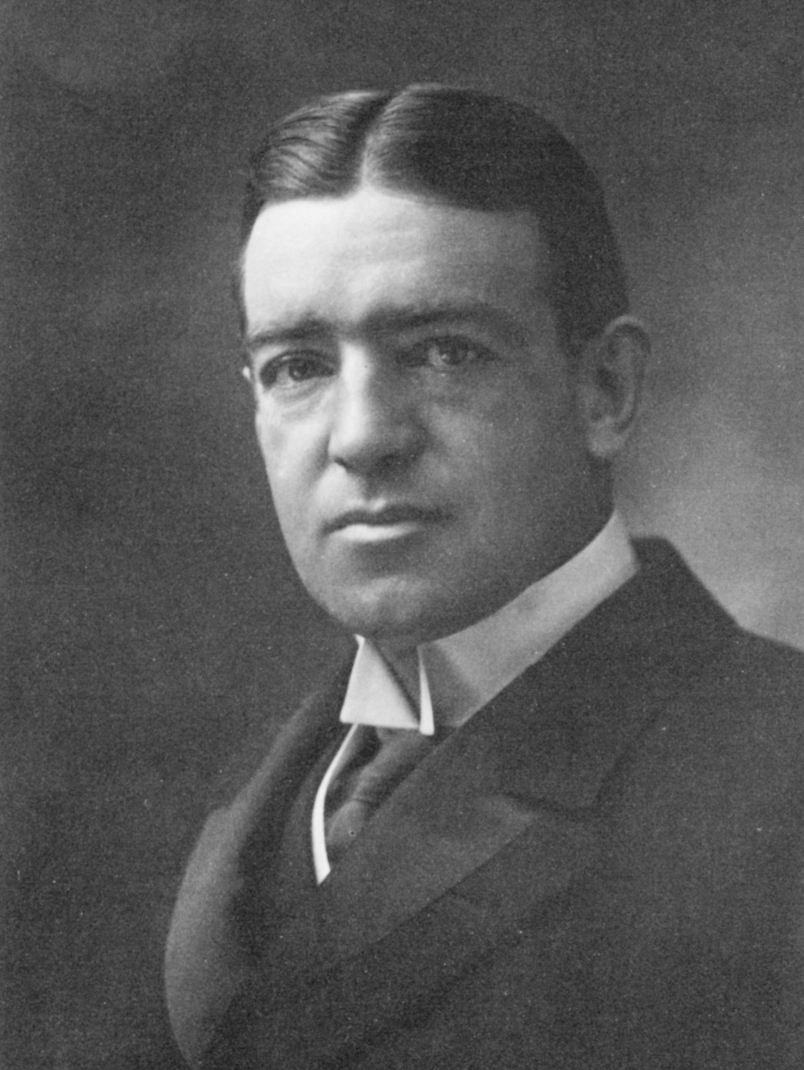 Exploration
Antarctic explorer.
Olympics & Paralympics — the bit people skip
These come up more often than candidates expect, and the Paralympics question in particular catches people out.
Olympic & Paralympic facts to memorise
| Fact | What to remember |
|---|---|
| London is the only city to host the Olympics three times ★ | It staged the Games in 1908, 1948 and 2012 — no other city has done so three times. |
| The Paralympics began in the UK ★ | Dr (later Sir) Ludwig Guttmann organised sport for patients with spinal injuries at Stoke Mandeville Hospital. The 1948 Stoke Mandeville Games were the direct forerunner of the Paralympic Games. |
| London 2012 | Hosted both the Olympics and the Paralympics. Standout Team GB names: Bradley Wiggins, Jessica Ennis-Hill, Sir Mo Farah and Sir Chris Hoy. |
| Notable British Olympians | Steve Redgrave (rowing, five Games), Kelly Holmes (two golds in 2004), Chris Hoy (cycling), Mo Farah (distance running) and Jessica Ennis-Hill (heptathlon, 2012). |
| Sports that began or developed in the UK | Cricket, Association football, rugby, lawn tennis (Wimbledon is the oldest tennis tournament), golf (which started in Scotland) and horse racing. |