Monarchs, house by house
The crown changed hands between a handful of ruling families. If you can recite the families in order, you have a shelf to rest every fact on. You are not asked to know every king and queen — only the ones a named event is pinned to. Work down the houses below; each panel opens in place so you can drill one family at a time. Years link across to the history timeline and the battles map for context.
The order of the houses
This is the backbone. Everything else hangs off it. Read it left to right until it is automatic before you open any panel.
A memory hook for the later run: picture each first letter as a step you climb — Norman, Plantagenet, Lancaster, York, Tudor, Stuart, Hanover, Saxe-Coburg, Windsor. Build your own sentence from those initials; one you invent yourself sticks far better than one you are given.
The houses in turn
Anglo-Saxon — England before 1066
Before any of the later dynasties, Anglo-Saxon kingdoms shared the island. Only one early ruler is worth memorising by name.
| Monarch | Why the test names them |
|---|---|
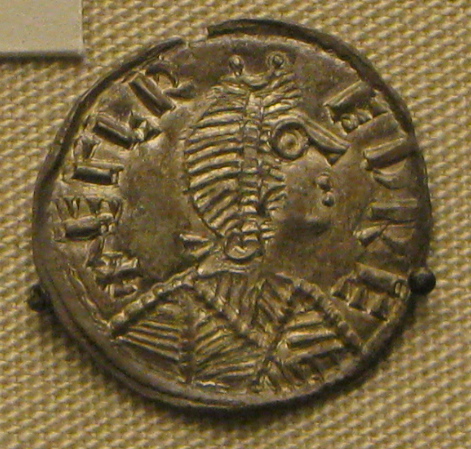 Alfred the Great Alfred the Great | The early king the handbook singles out: he turned back the Viking (Danish) advance and helped knit the Anglo-Saxon kingdoms together. |
| Harold | The last Anglo-Saxon king — the man who lost in 1066, handing the line to the Normans. |
Romans and Vikings came and went before a single English crown existed; see the timeline for that earlier stretch.
Norman — the conquest dynasty (from 1066)
| Monarch | One-line hook |
|---|---|
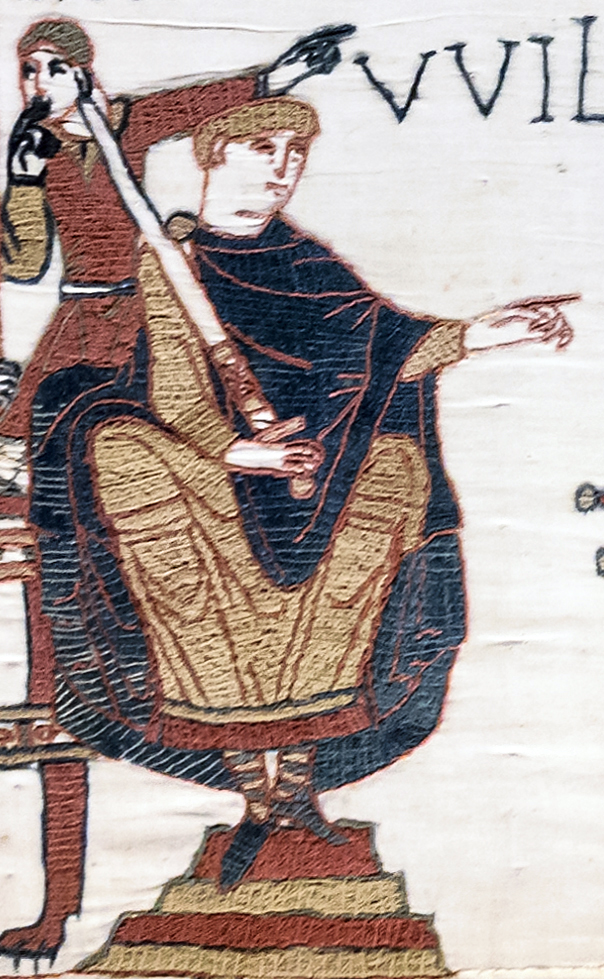 William I (the Conqueror) William I (the Conqueror) | Crossed from Normandy, beat Harold at the Battle of Hastings in 1066, and later had the kingdom catalogued in the Domesday Book. |
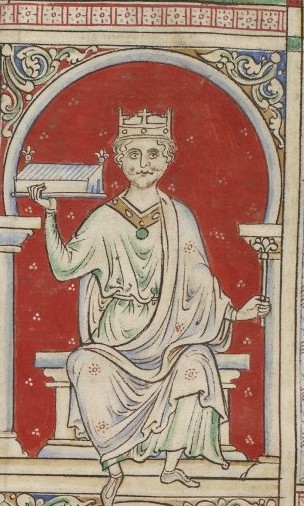 William II, Henry I, Stephen William II, Henry I, Stephen | The remaining Normans — know they exist, but no single fact is hung on them. |
Plantagenet — the long medieval house (1154–1485)
| Monarch | One-line hook |
|---|---|
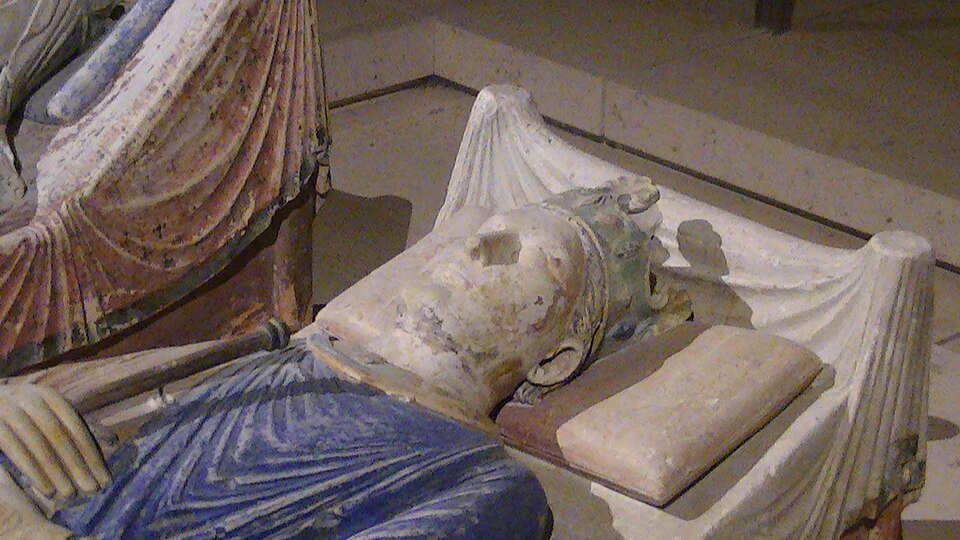 Henry II Henry II | His clash with Thomas Becket ended with the Archbishop killed inside Canterbury Cathedral. |
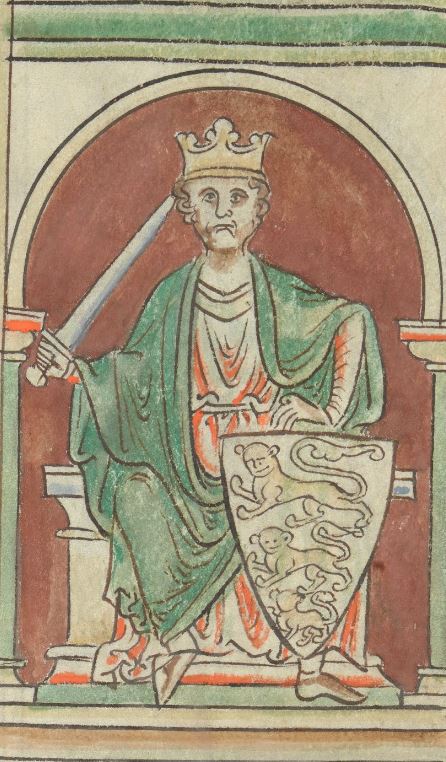 Richard I (the Lionheart) Richard I (the Lionheart) | A crusading, soldier-king who became a folk hero. |
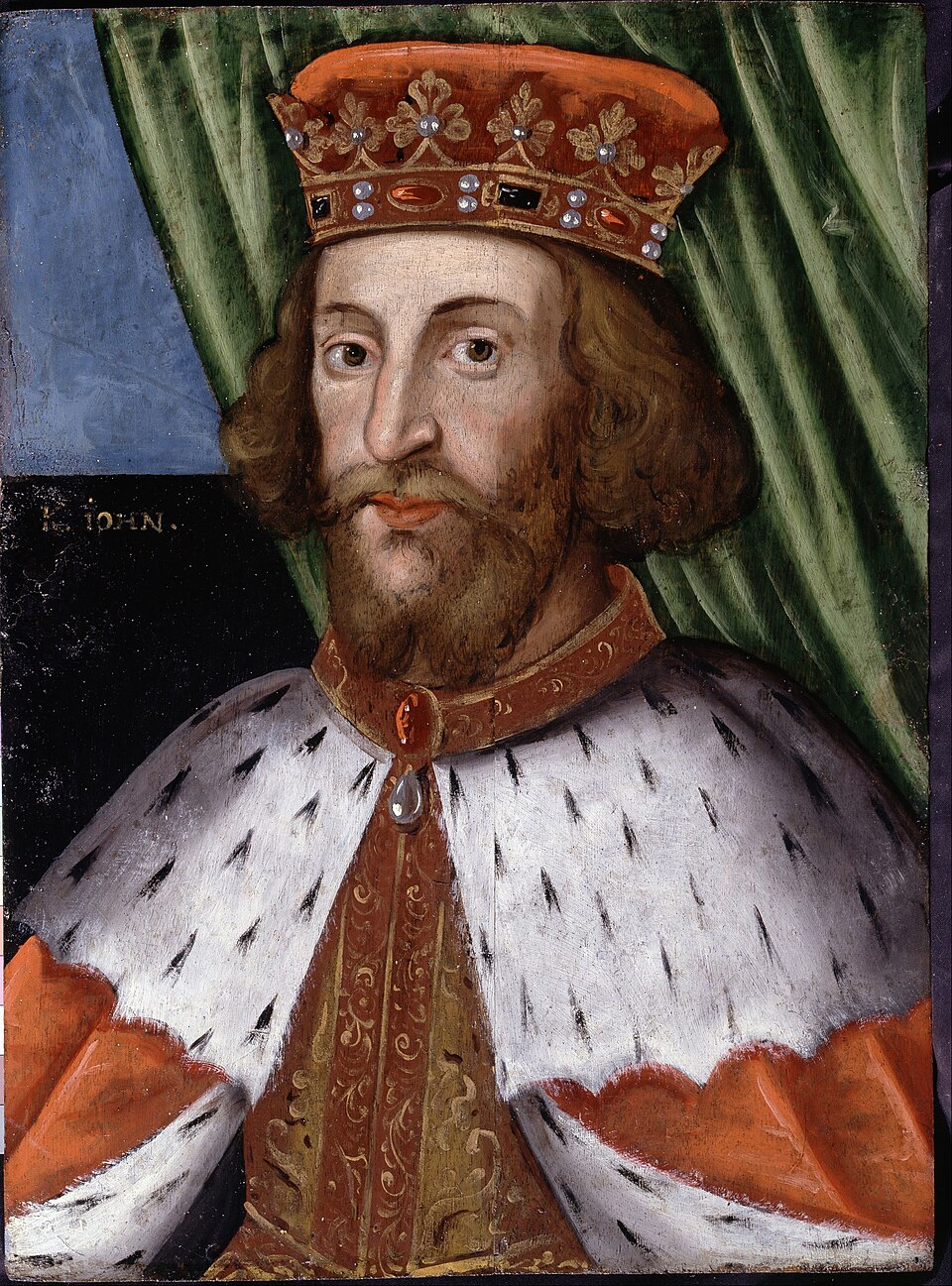 John John | Pushed by his barons into sealing Magna Carta in 1215 — the charter that first put limits on what a king could do, and the document the test returns to most. |
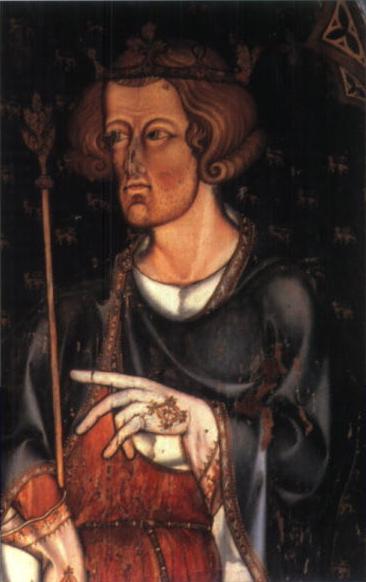 Edward I Edward I | Brought Wales under English control, raised great castles, harried Scotland, and is tied to the early growth of a parliament. |
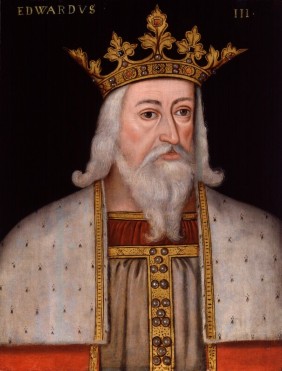 Edward III Edward III | The long war with France opened on his watch in 1337, and the Black Death of 1348 tore through the country during his reign. |
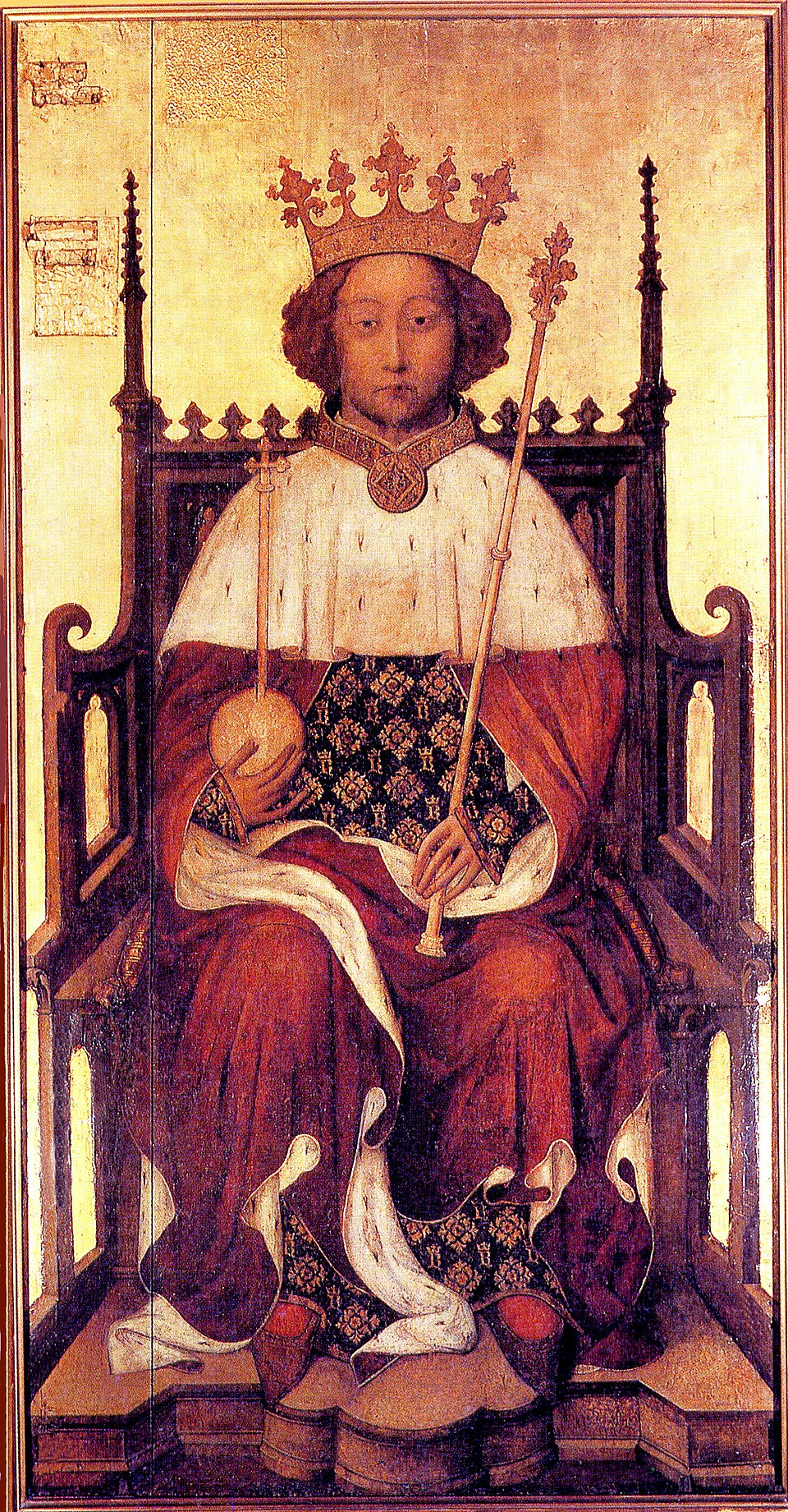 Richard II Richard II | The last of the unbroken Plantagenet line — pushed off the throne. |
Lancaster — the red-rose branch (1399–1471)
| Monarch | One-line hook |
|---|---|
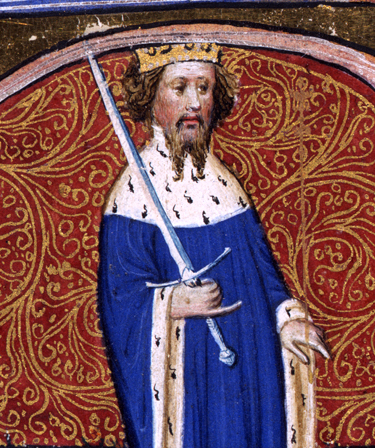 Henry IV Henry IV | Opened the Lancastrian line after taking the crown from Richard II. |
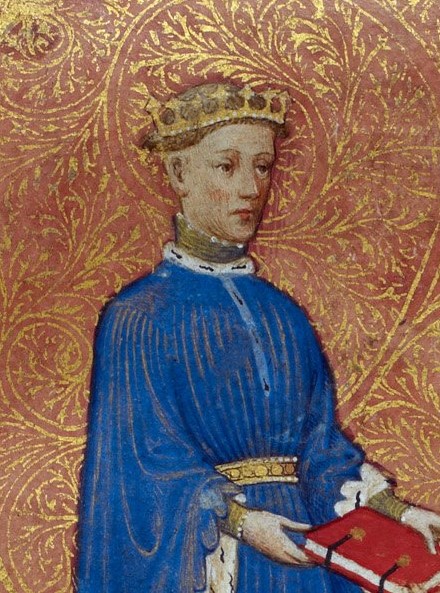 Henry V Henry V | Led the English to victory at the Battle of Agincourt in 1415 against France. |
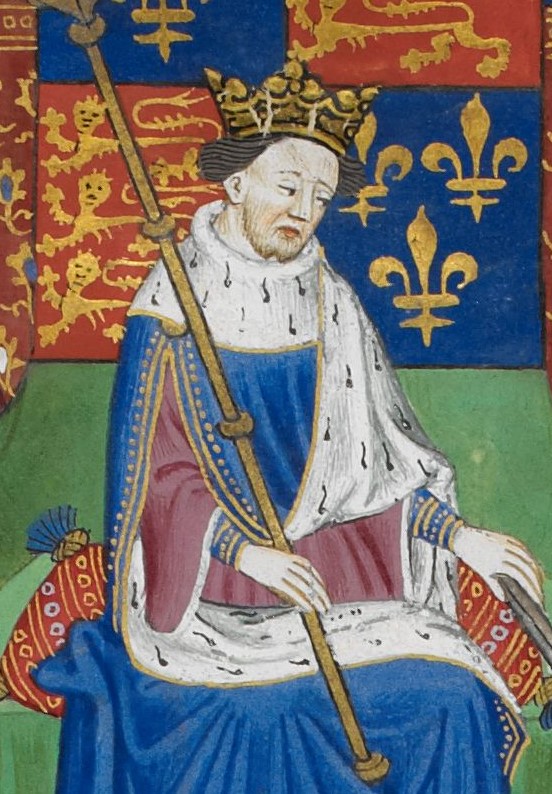 Henry VI Henry VI | Saw the French war lost, suffered bouts of mental illness, and reigned while the Wars of the Roses raged. |
York — the white-rose branch (1461–1485)
| Monarch | One-line hook |
|---|---|
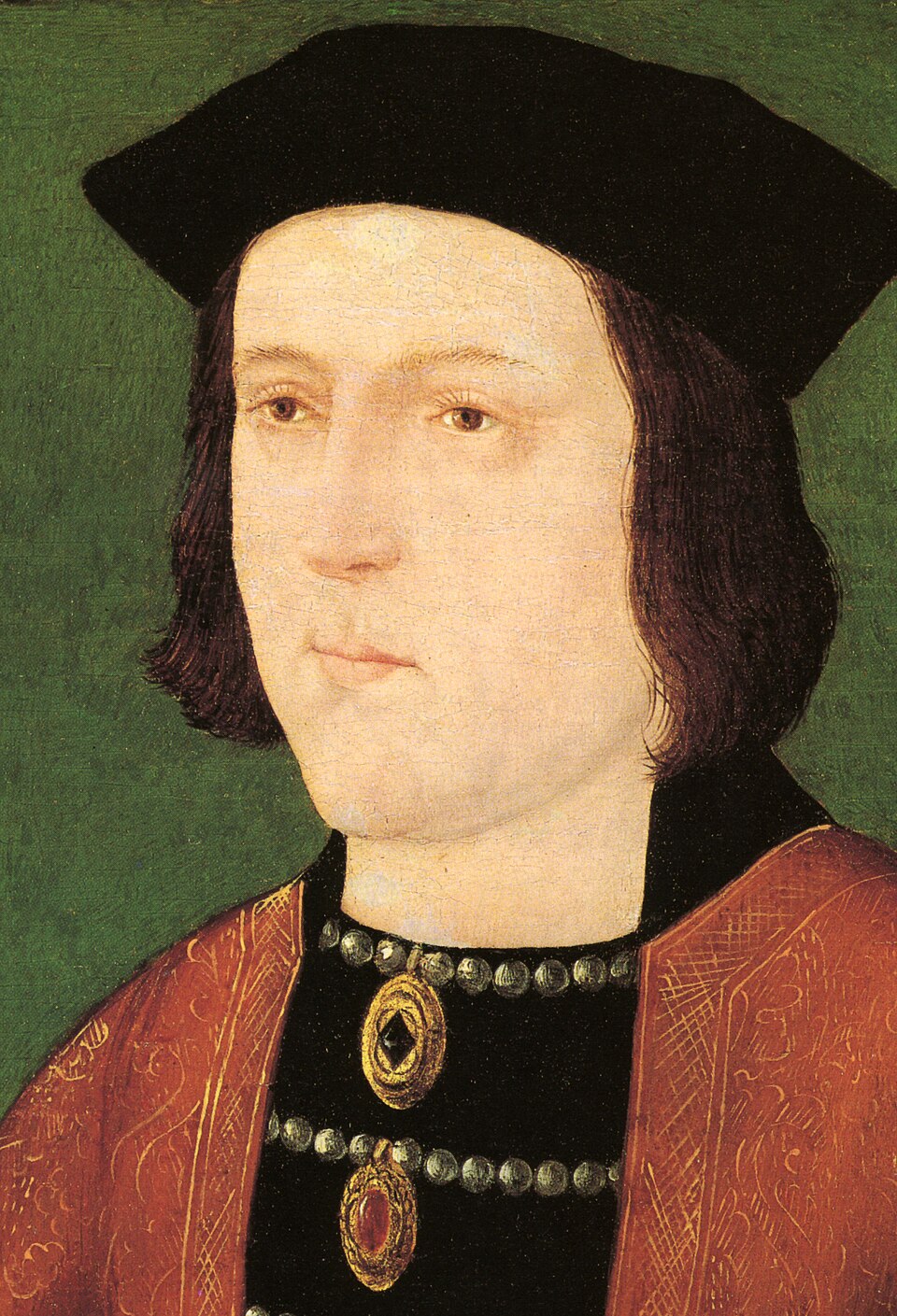 Edward IV Edward IV | Seized the throne for York during the dynastic fighting. |
 Edward V Edward V | One of the two boy "Princes in the Tower" who vanished and were never seen again. |
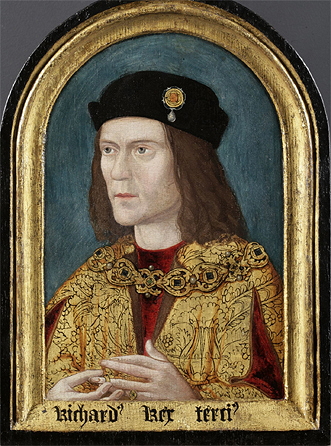 Richard III Richard III | Died on the field at the Battle of Bosworth in 1485 — the moment that closed the Wars of the Roses, ended the Plantagenets, and is the usual line drawn under the Middle Ages. |
The Wars of the Roses (roughly 1455–1485) set Lancaster's red rose against York's white. The fighting stopped when Henry Tudor won at Bosworth and married Elizabeth of York, fusing the two emblems into the combined Tudor rose.
Tudor — the famous one (1485–1603)
| Monarch | One-line hook |
|---|---|
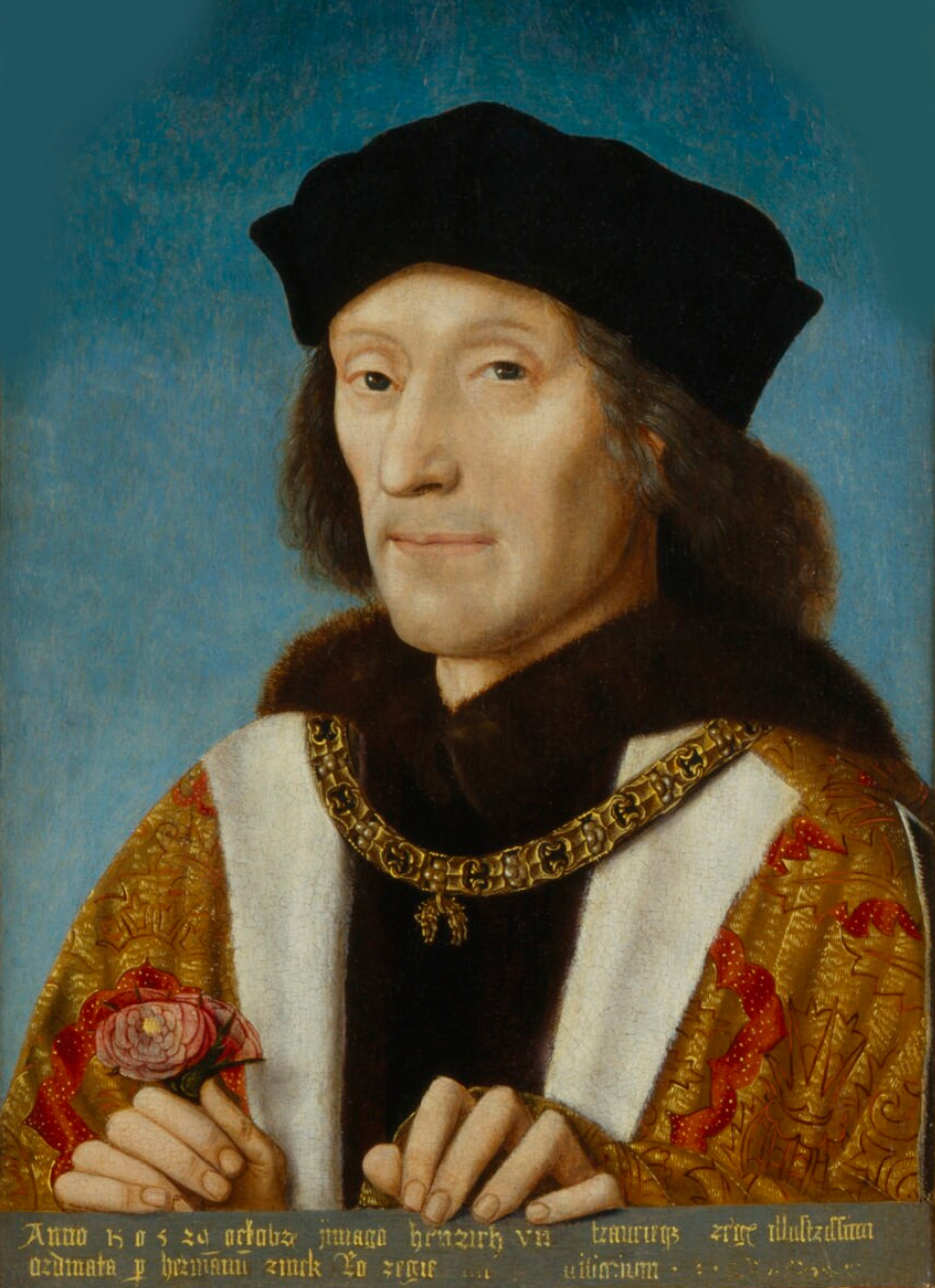 Henry VII Henry VII | First Tudor; closed out the Wars of the Roses, guarded the treasury tightly, and made the monarchy stronger. |
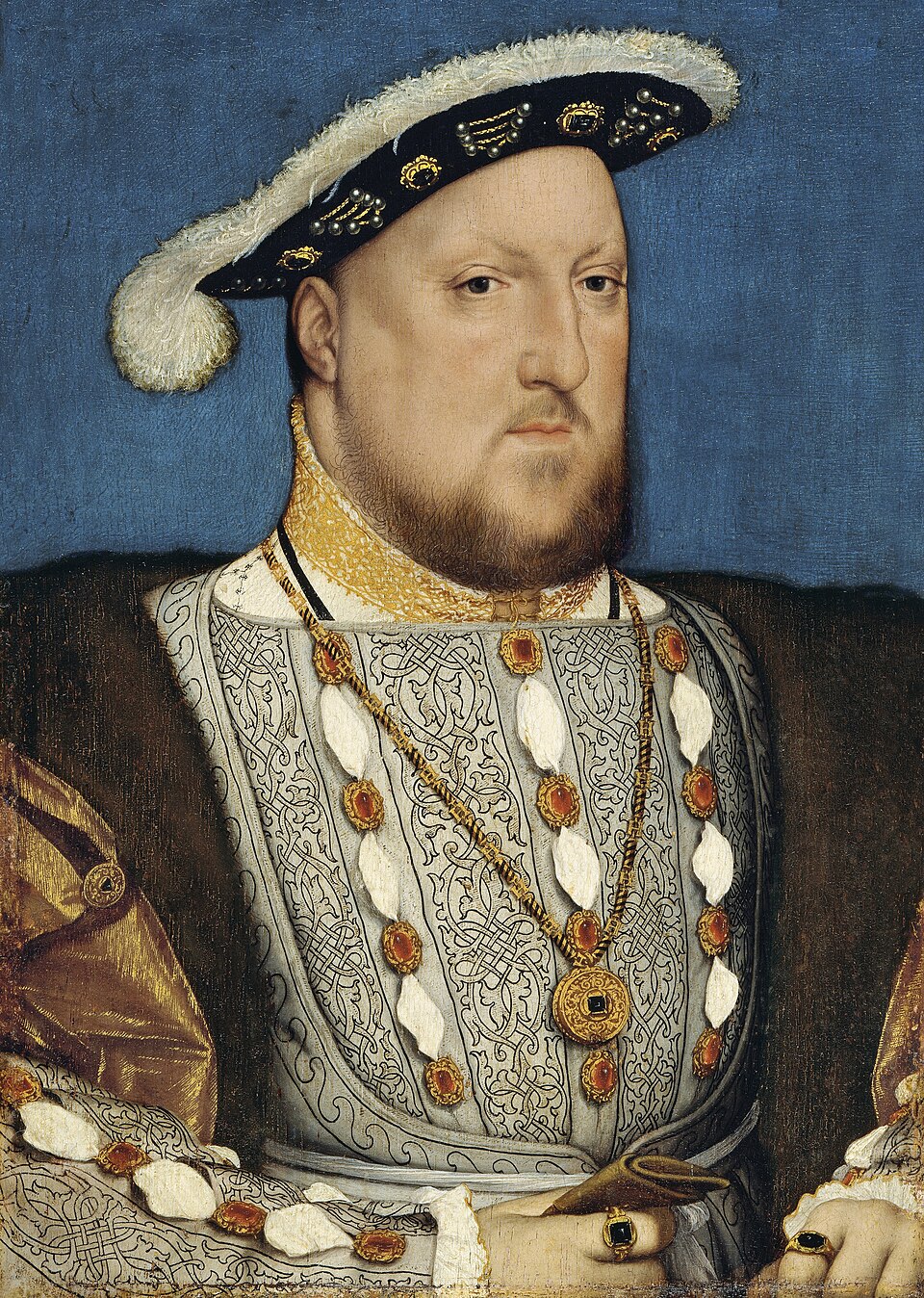 Henry VIII Henry VIII | Married six times; split from the Roman Catholic Church and set up the Church of England so he could end his first marriage; brought Wales formally together with England (1536–43). The wives in order: divorced, beheaded, died, divorced, beheaded, survived. |
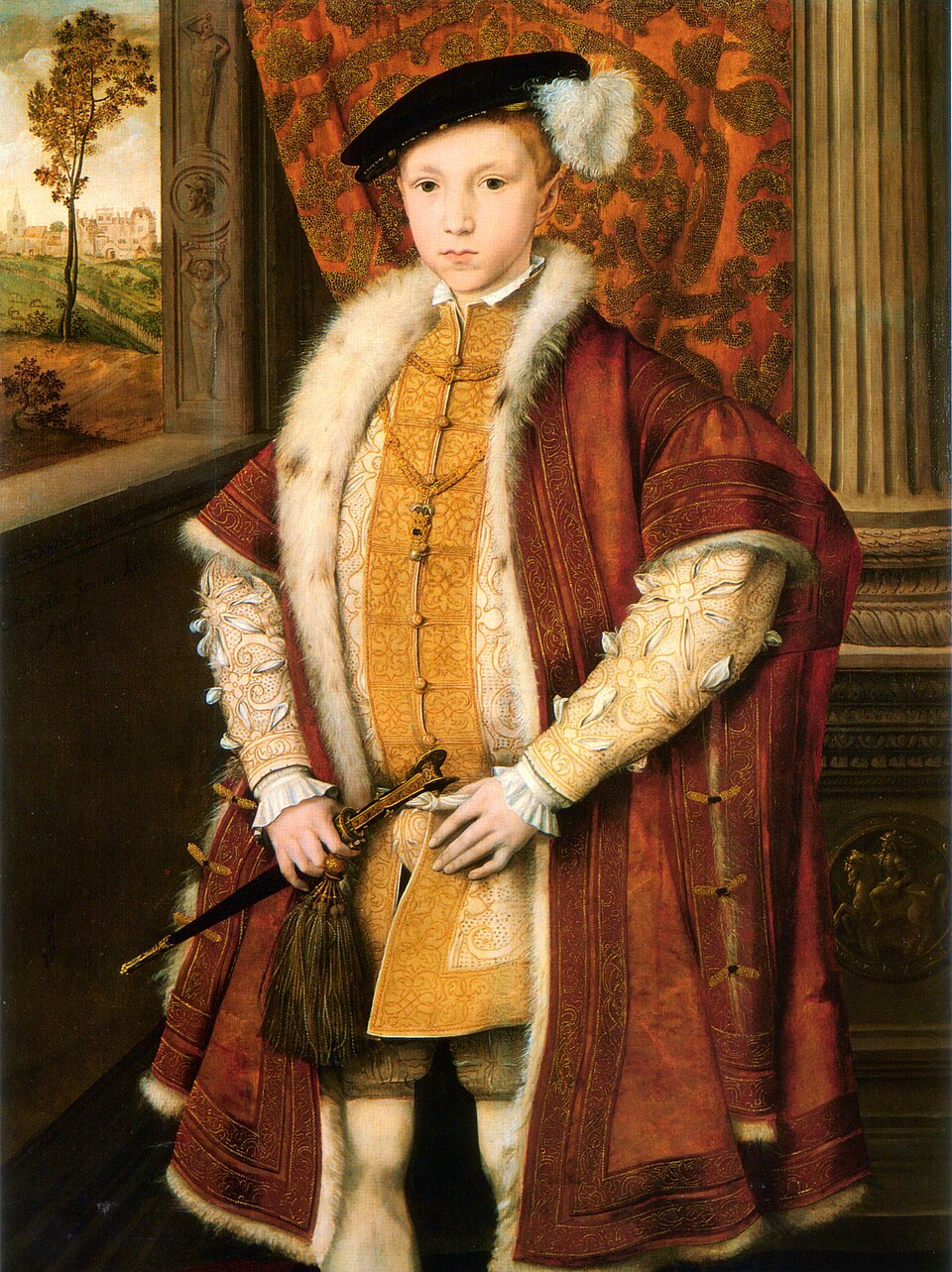 Edward VI Edward VI | Henry VIII's young son; firmly Protestant; the Book of Common Prayer appeared in his reign; he died as a boy. |
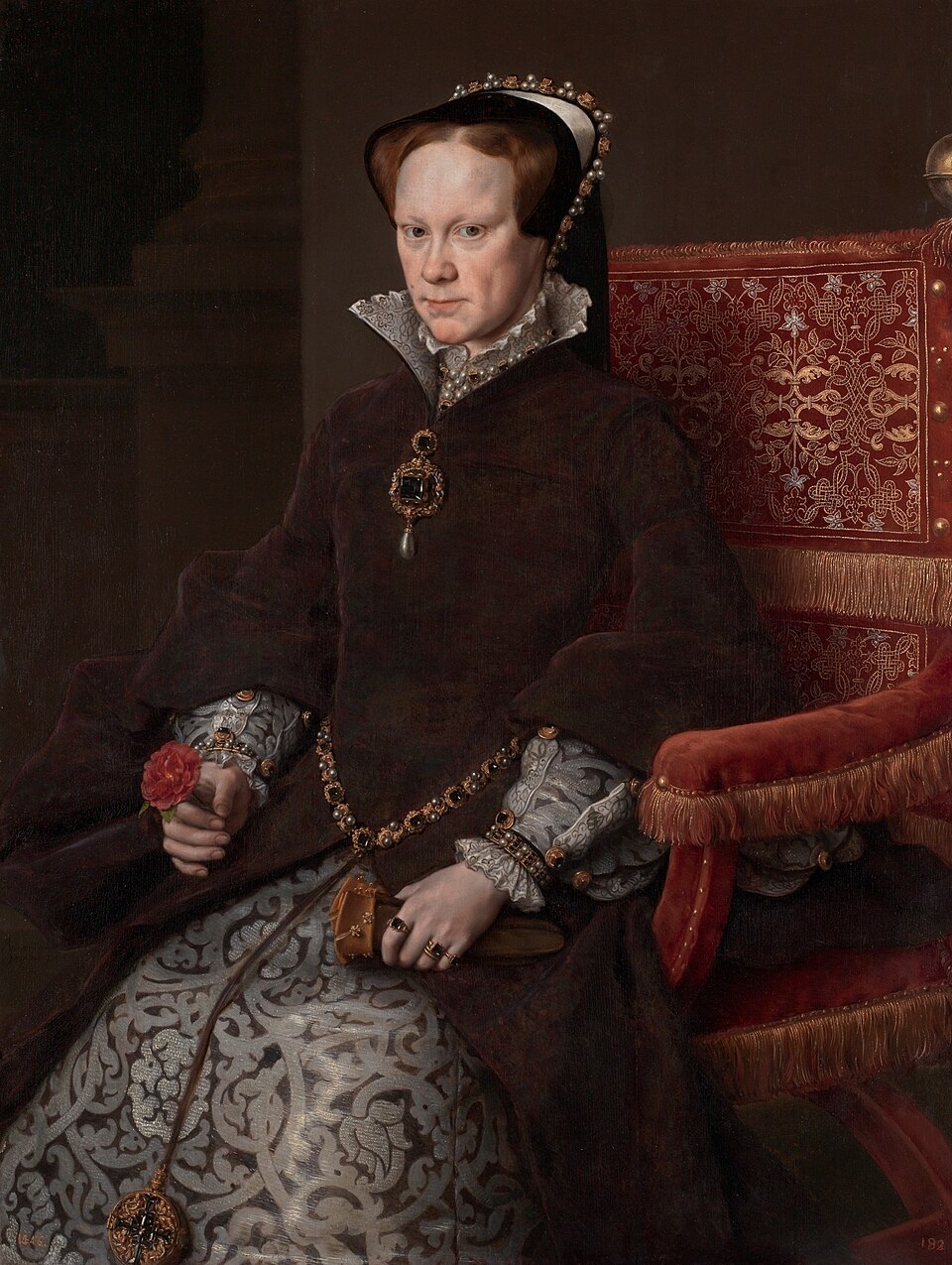 Mary I ("Bloody Mary") Mary I ("Bloody Mary") | Catholic queen who had Protestants put to death. |
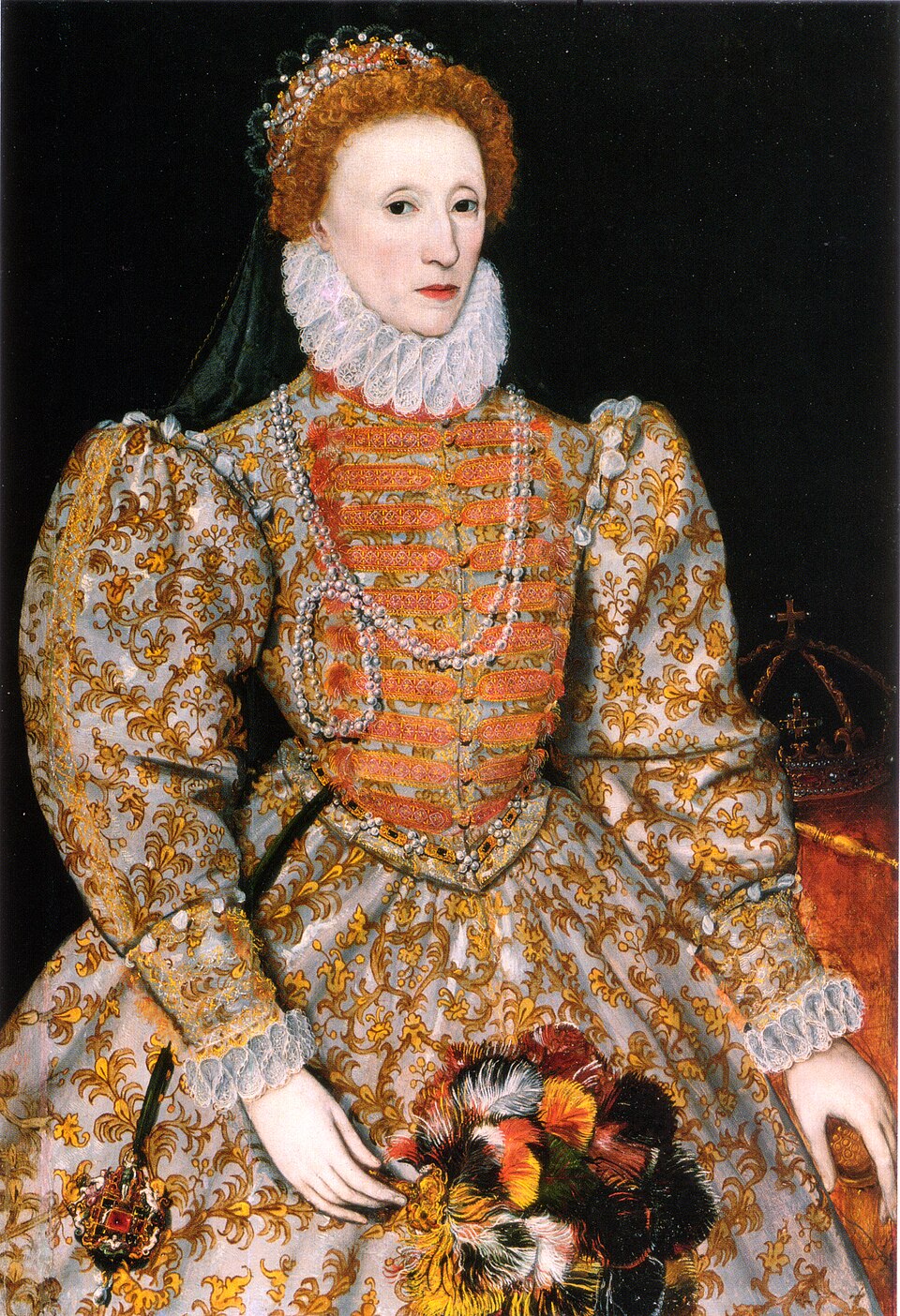 Elizabeth I Elizabeth I | Protestant; her navy beat the Spanish Armada in 1588; she never wed (the "Virgin Queen"); her reign saw a golden age of voyaging and the plays of Shakespeare. |
Stuart — crowns joined, then a king beheaded, then restored (1603–1714)
| Monarch / period | One-line hook |
|---|---|
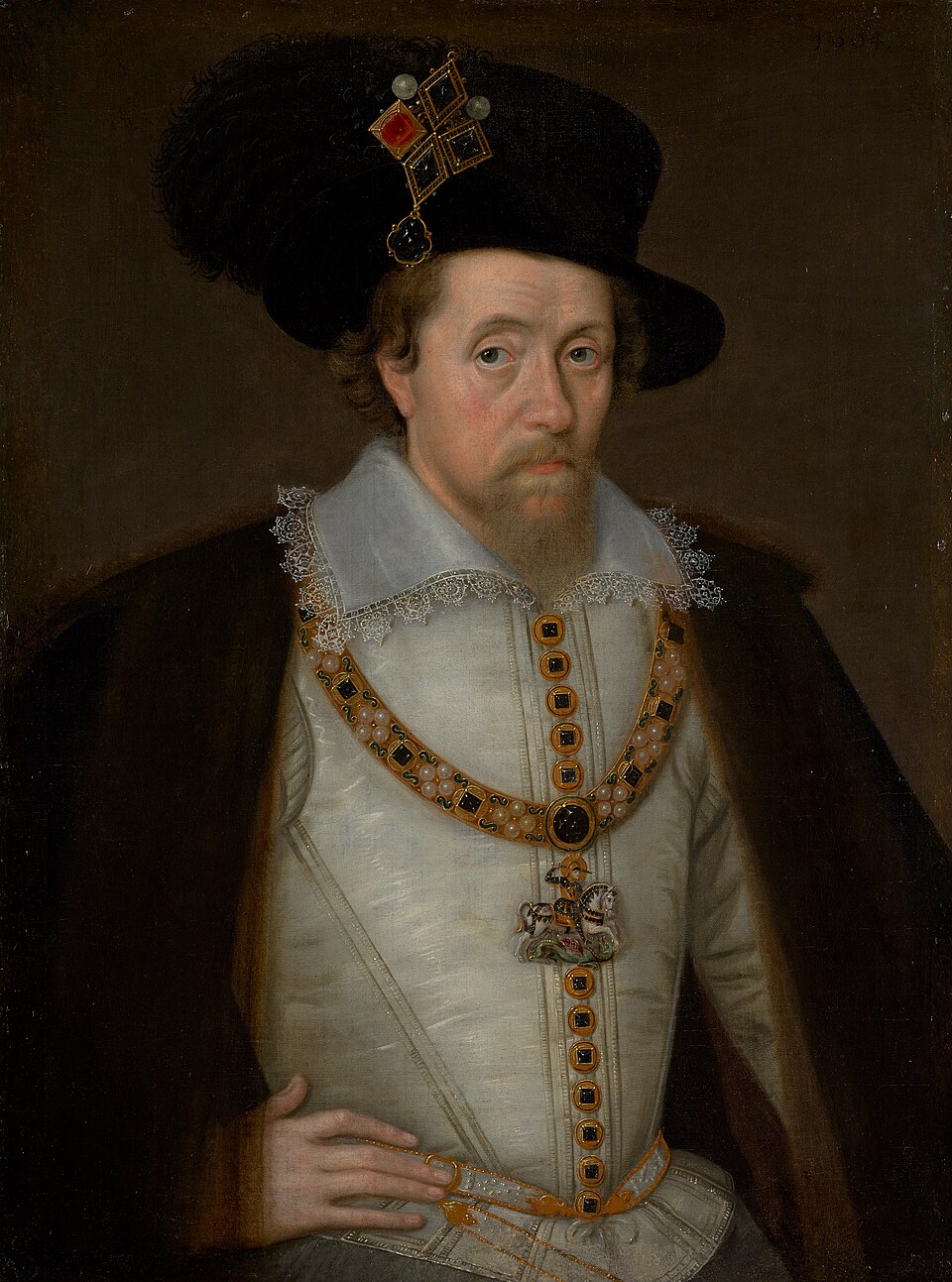 James I (James VI of Scotland) James I (James VI of Scotland) | One man wore both crowns from 1603 (the Union of the Crowns — still two separate countries); the King James Bible dates from his reign; the Gunpowder Plot of 1605 (Guy Fawkes) is marked every 5 November. |
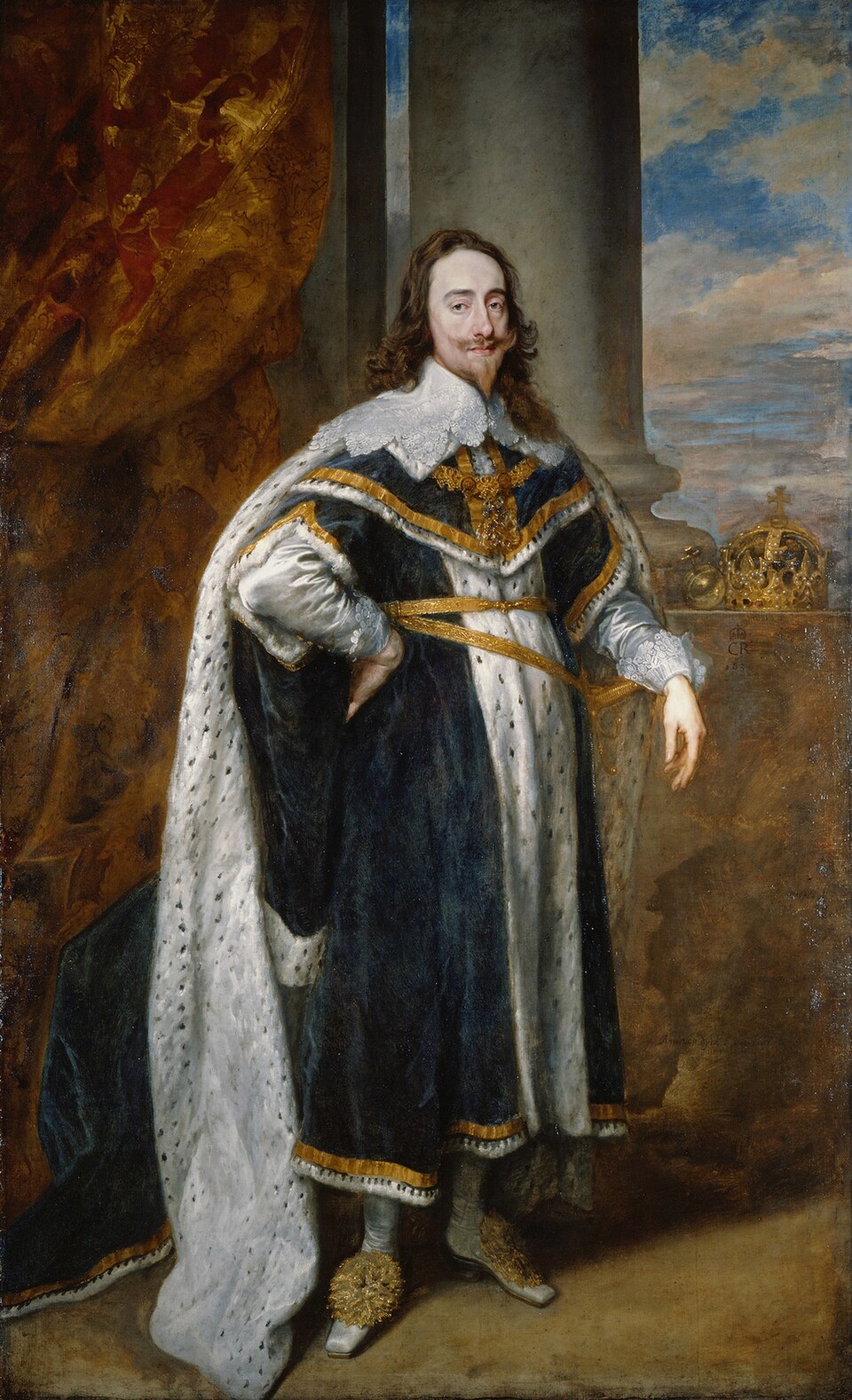 Charles I Charles I | His stand-off with Parliament tipped into the English Civil War (1642–1651); he was executed in 1649; he held to the "divine right of kings". |
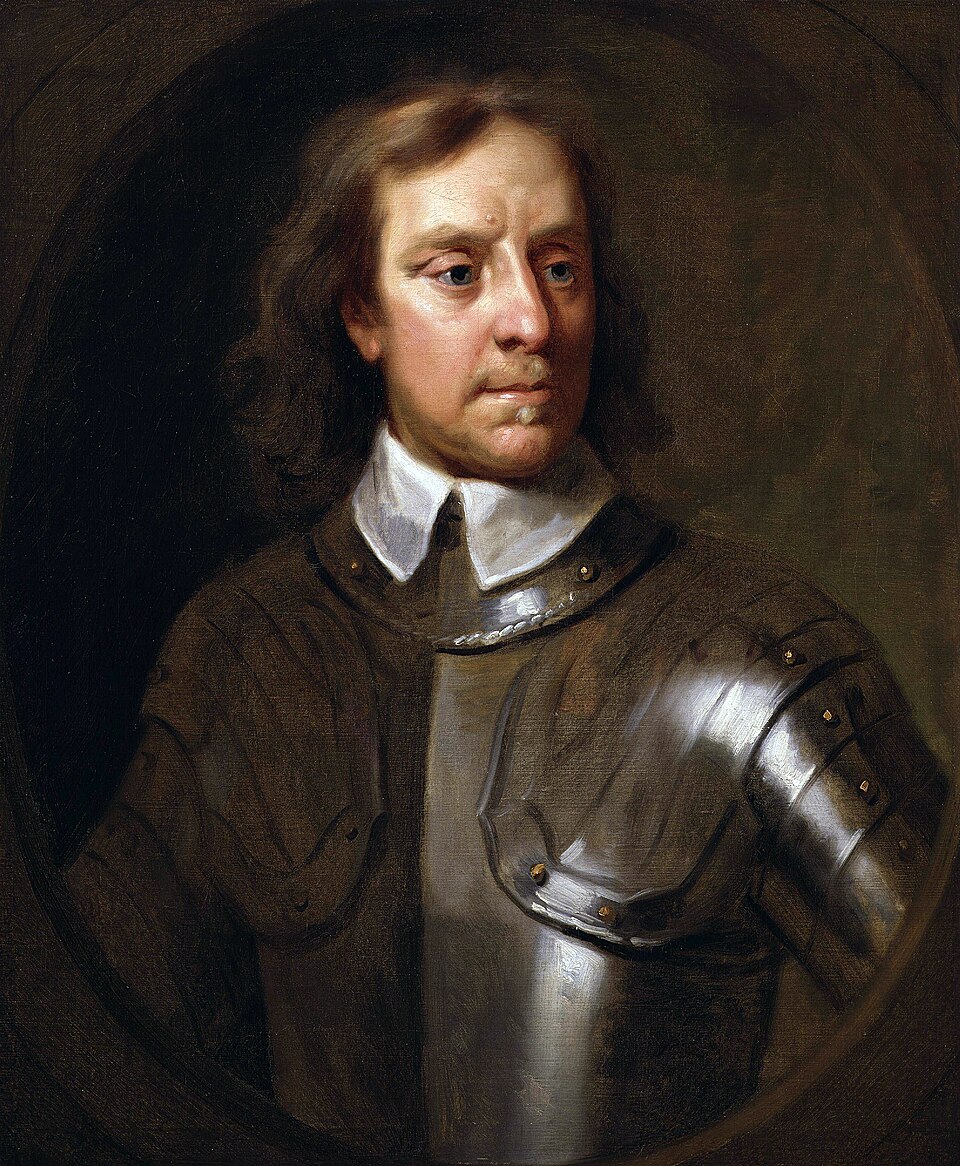 Interregnum (1649–1660) Interregnum (1649–1660) | No monarch: Oliver Cromwell governed as Lord Protector over a republic; his son Richard Cromwell took over briefly but could not keep control. |
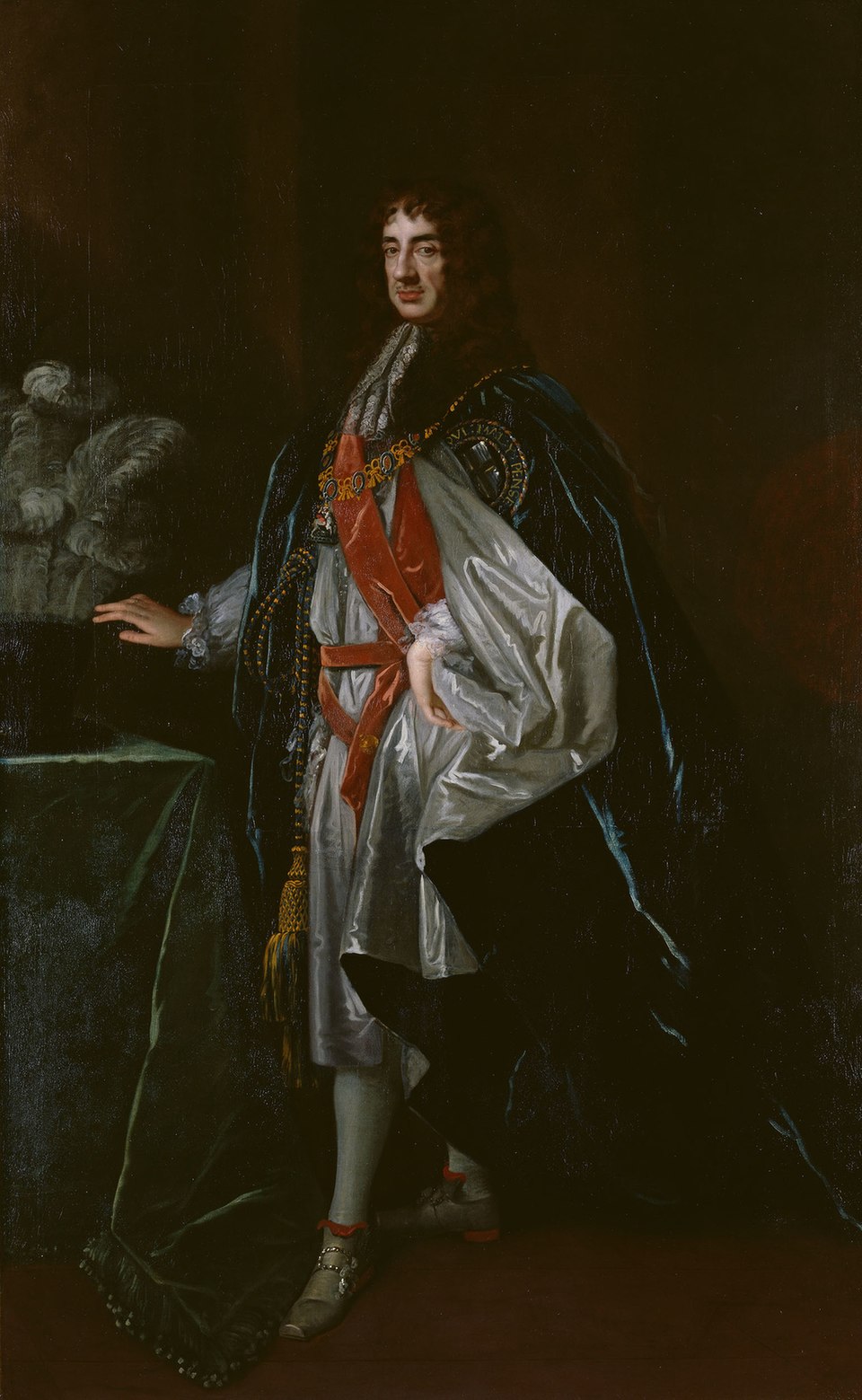 Charles II Charles II | The Restoration of 1660 put the monarchy back; the Great Plague (1665) and the Great Fire of London (1666) fell in his reign; the Royal Society for science began. |
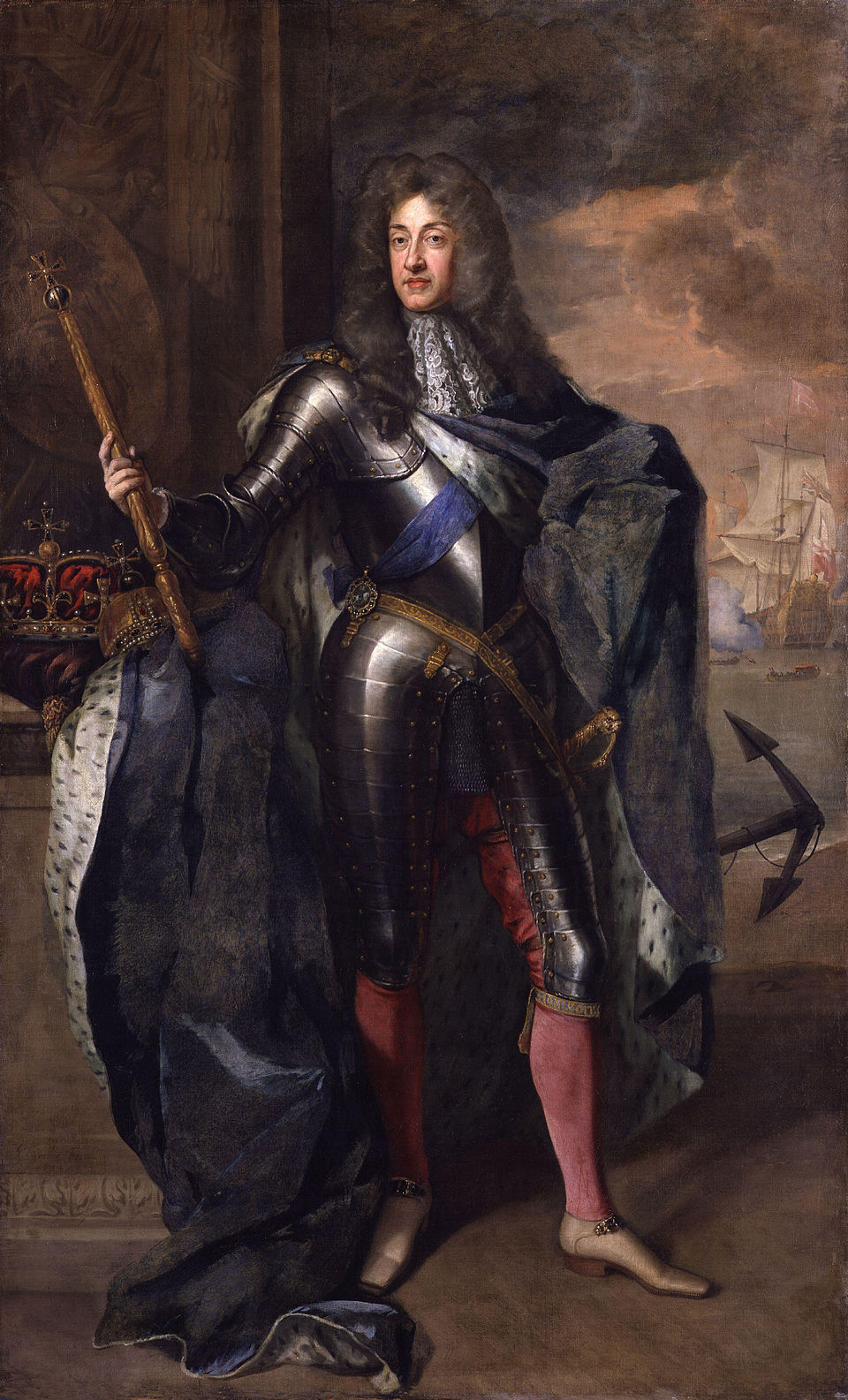 James II James II | A Catholic king removed in the bloodless Glorious Revolution of 1688. |
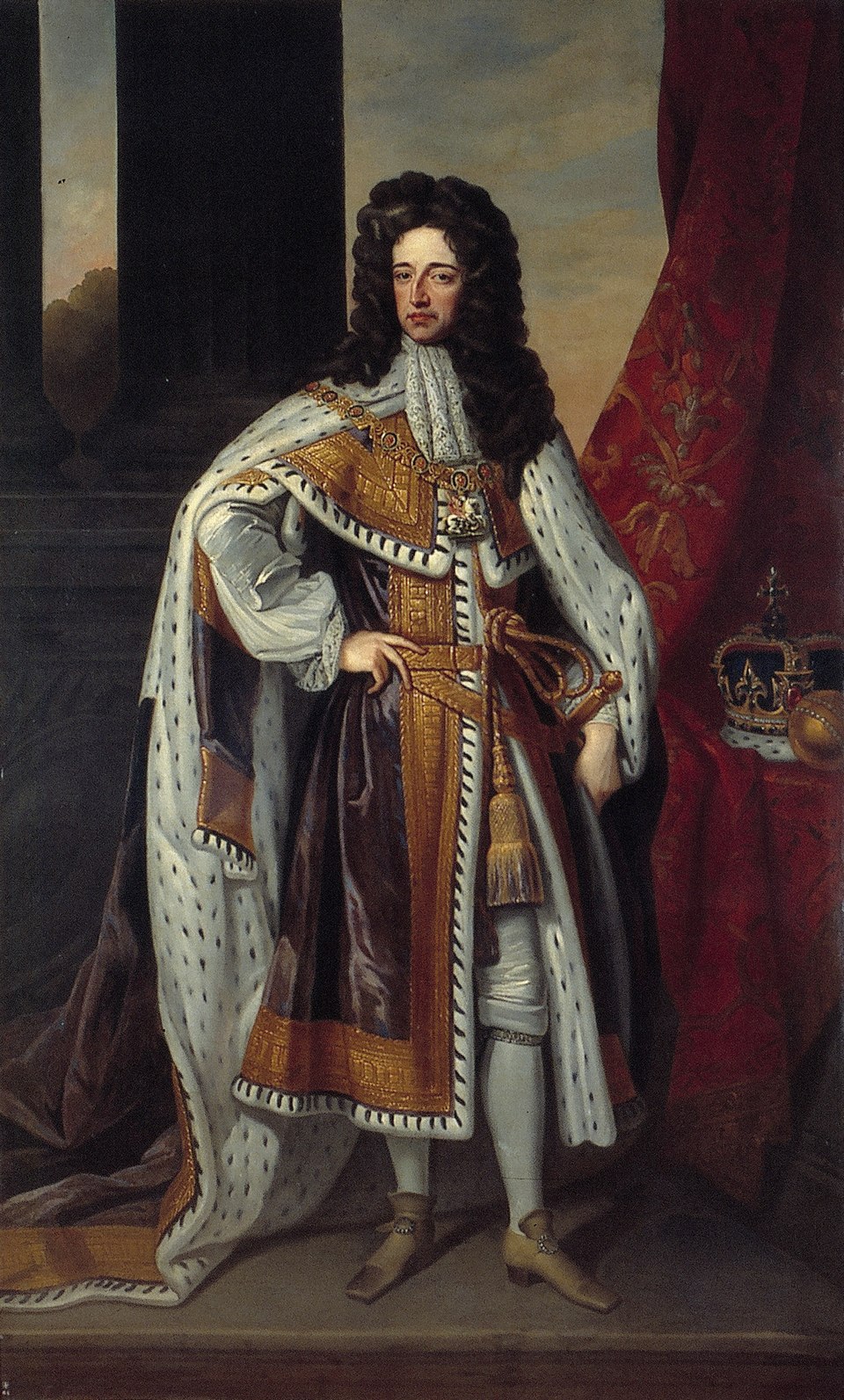 William III & Mary II William III & Mary II | Brought in to rule together; the Bill of Rights of 1689 tightened limits on the crown and confirmed Parliament's standing; William also won the Battle of the Boyne (1690) in Ireland. |
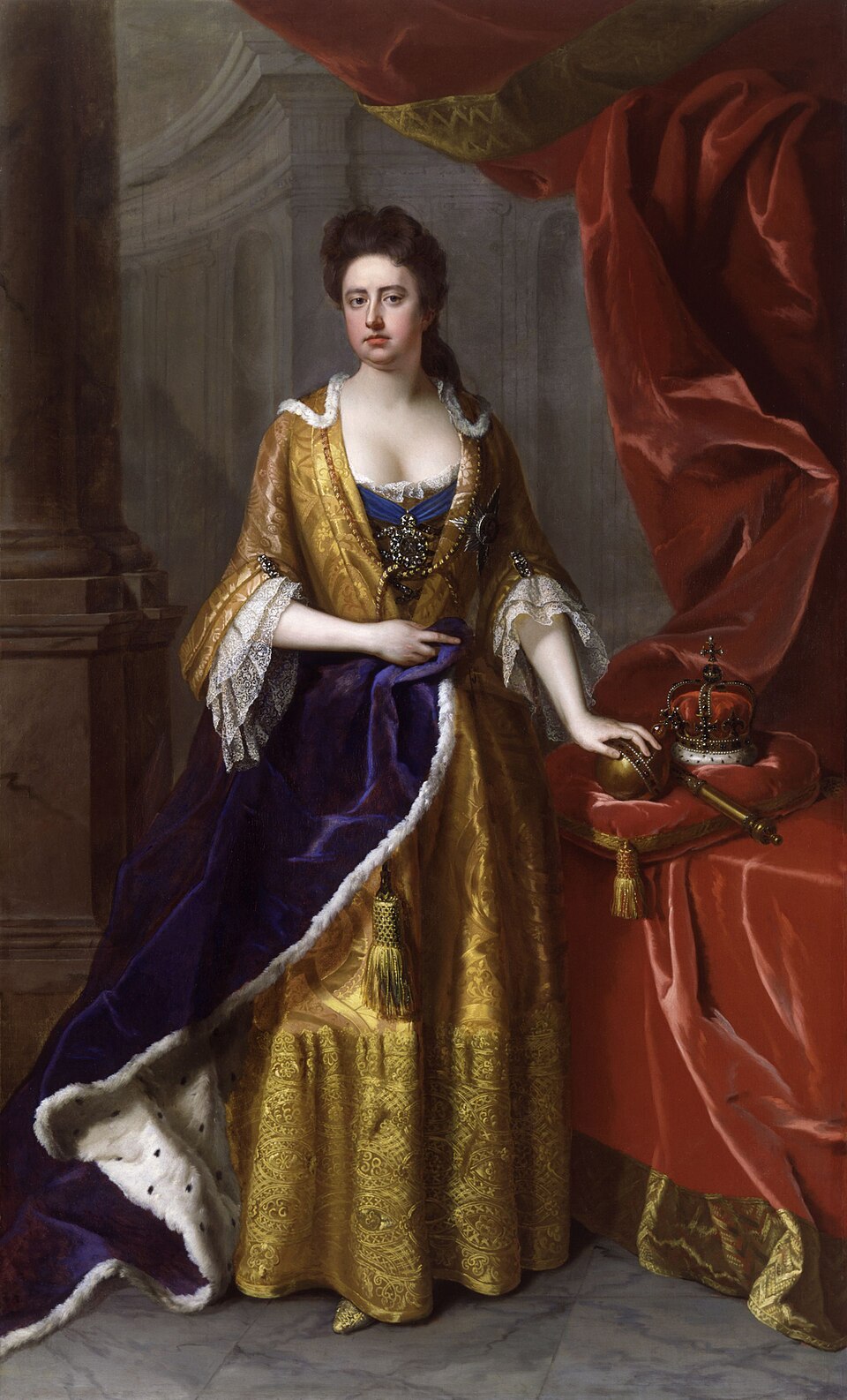 Anne Anne | Under her the Act of Union of 1707 merged England and Scotland into one state, Great Britain. |
Hanover — German kings and the rise of the Prime Minister (1714–1901)
| Monarch | One-line hook |
|---|---|
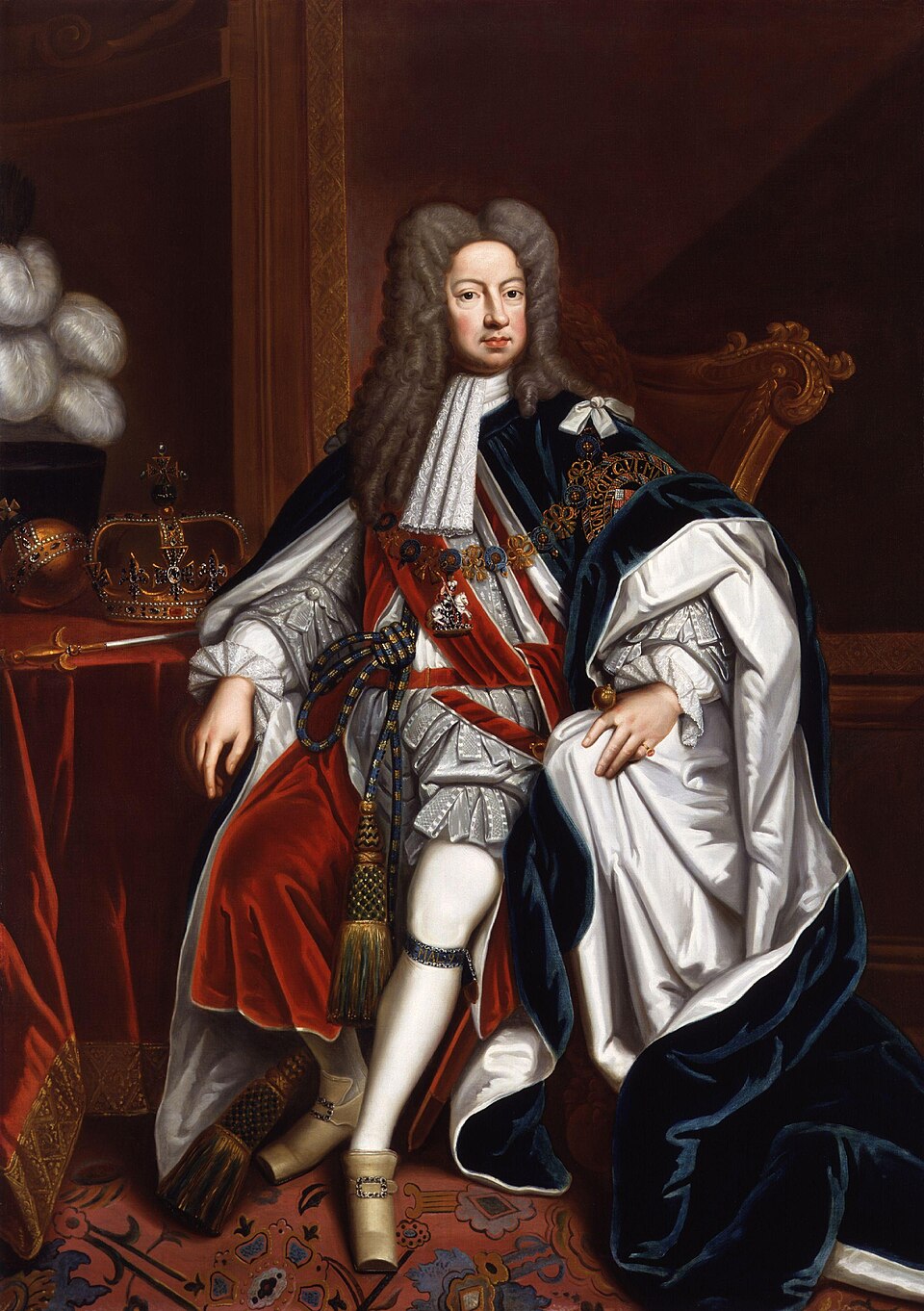 George I George I | Came from Germany with barely any English, so he leaned on his ministers — the office of Prime Minister grew out of this, with Sir Robert Walpole counted as the first, from 1721. |
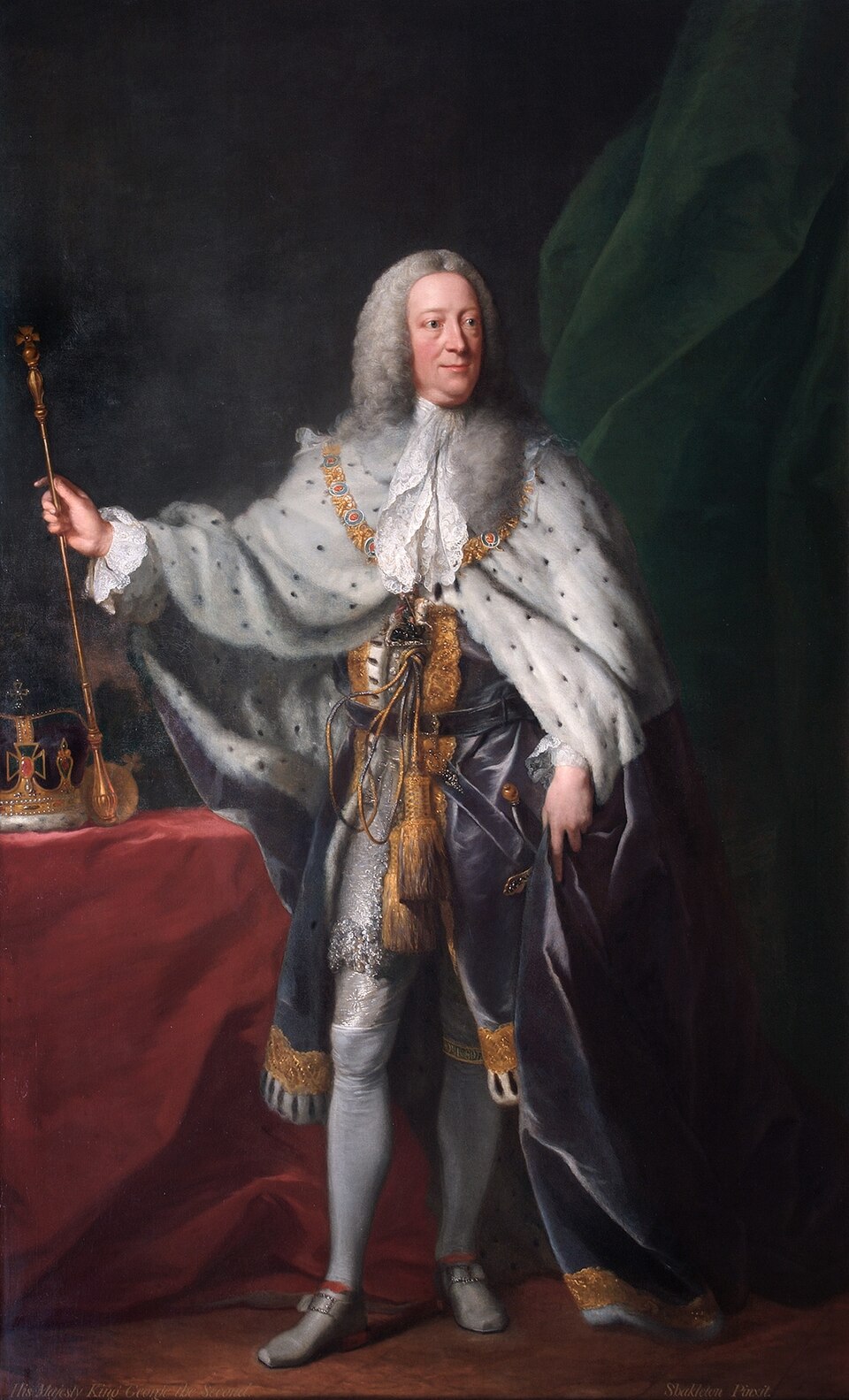 George II George II | Bonnie Prince Charlie's 1745 Jacobite rising was crushed at the Battle of Culloden (1746) in his reign. |
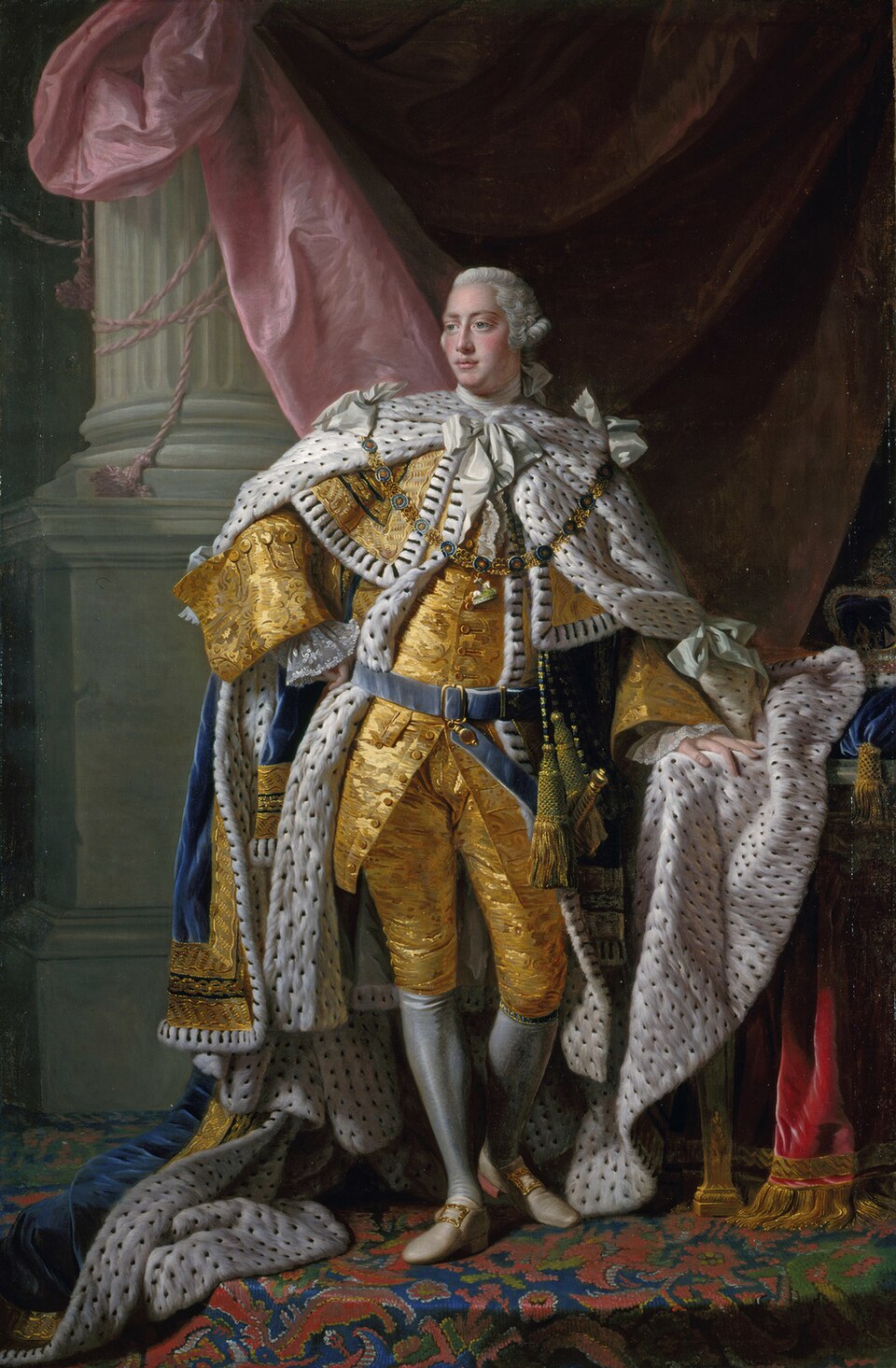 George III George III | Lost the American colonies (independence, 1776); the Act of Union with Ireland in 1801 formed the United Kingdom of Great Britain and Ireland; the Napoleonic Wars and Trafalgar came in his long reign. |
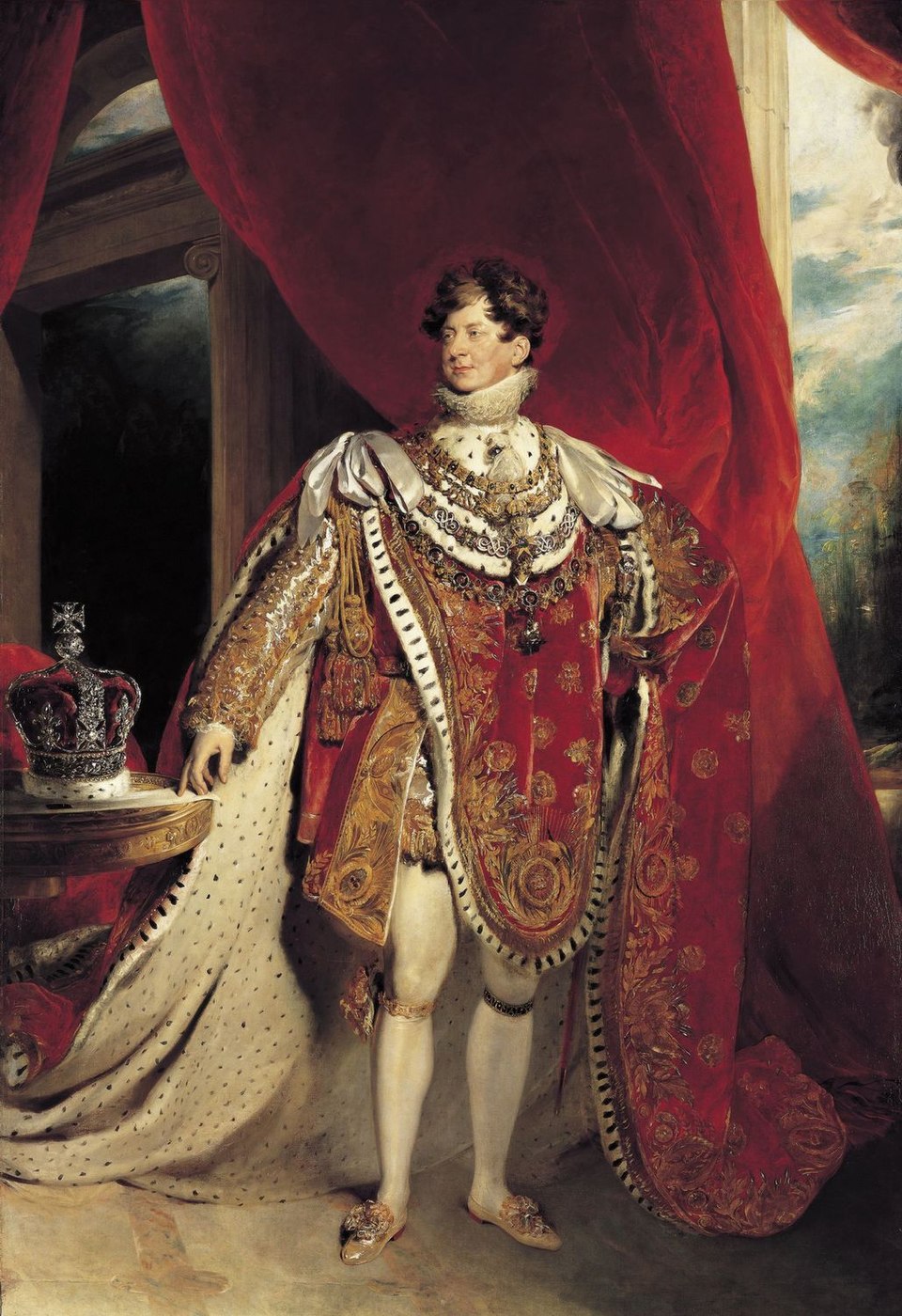 George IV, William IV George IV, William IV | Short, lightly tested reigns that bridge to Victoria. |
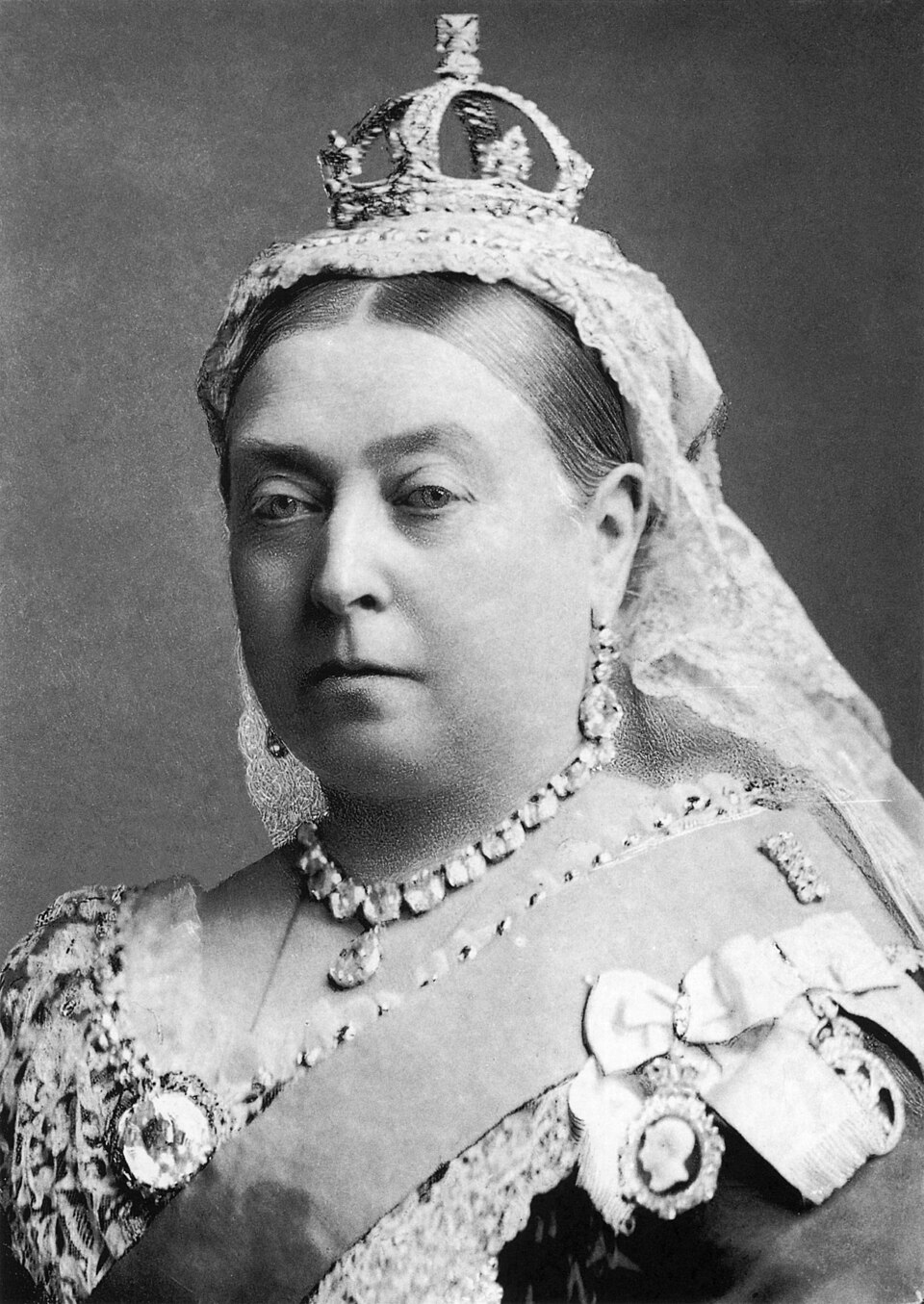 Victoria Victoria | On the throne 1837–1901 — about 63 years, the longest until Elizabeth II; the British Empire and the Industrial Revolution were at their peak in this "Victorian" age. |
Saxe-Coburg-Gotha → Windsor — the modern royal house (1901–present)
| Monarch | One-line hook |
|---|---|
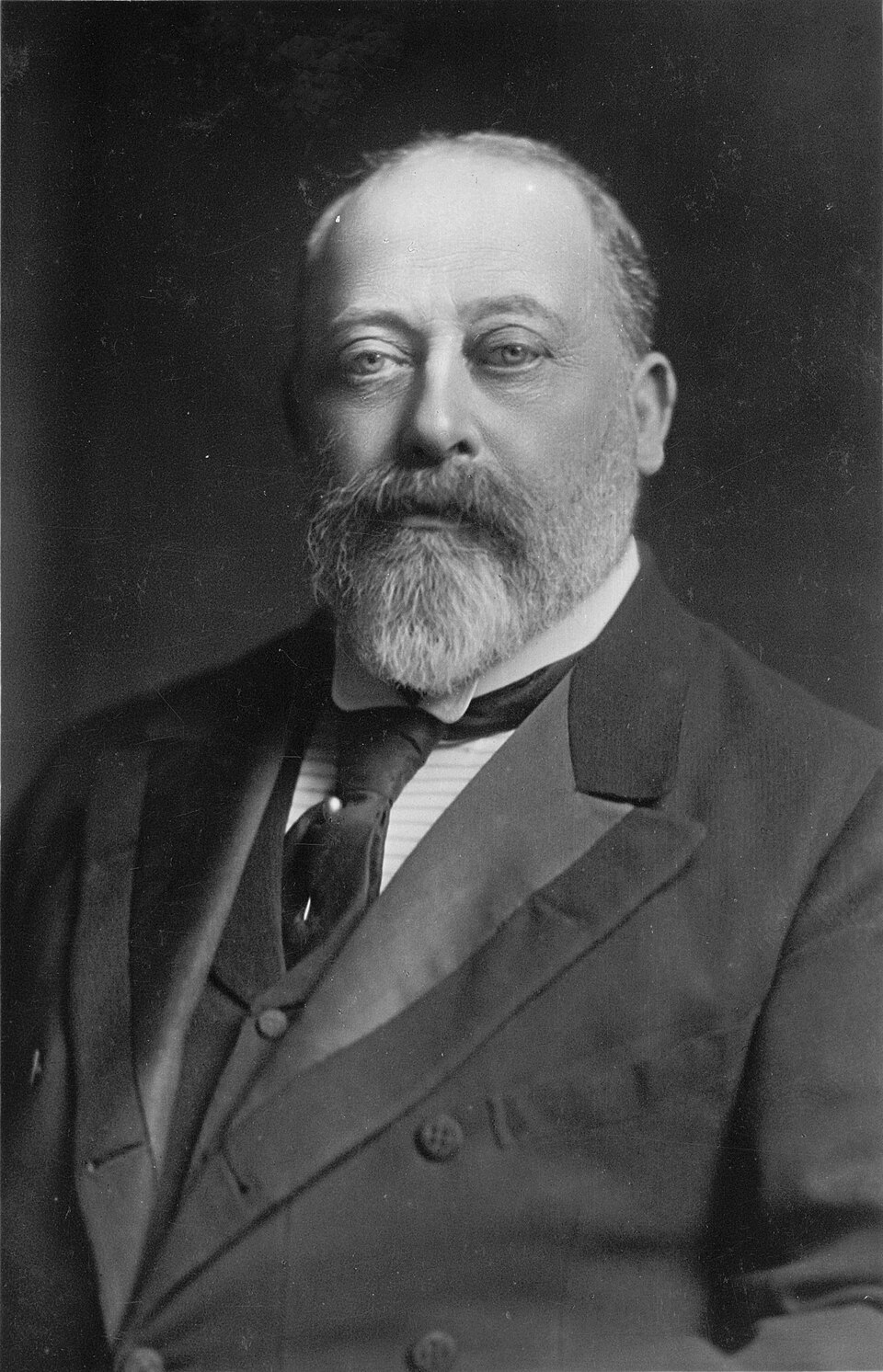 Edward VII Edward VII | Victoria's son, who gave his name briefly to the house of Saxe-Coburg-Gotha. |
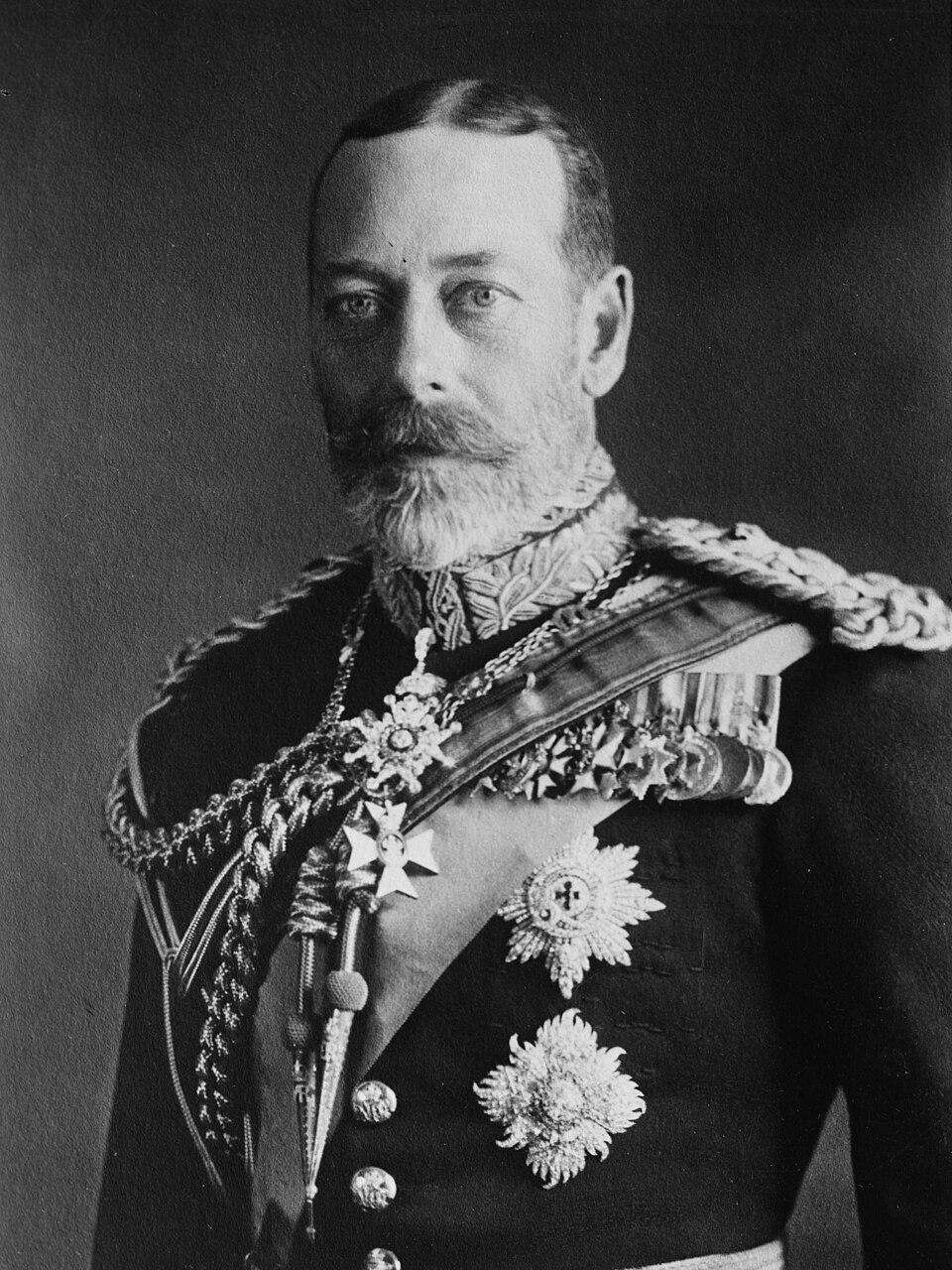 George V George V | Renamed the royal house Windsor in 1917, during the First World War, because the old German-sounding name had become a liability. |
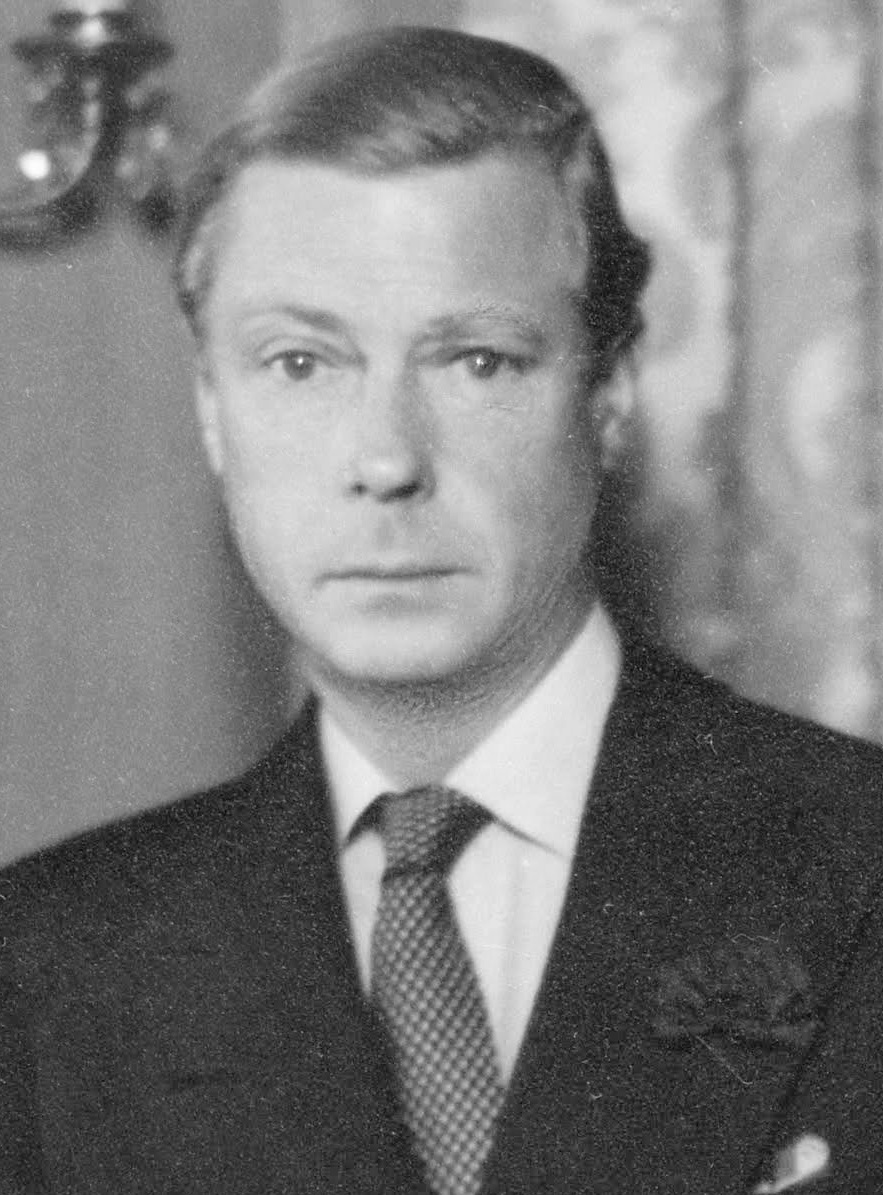 Edward VIII Edward VIII | Gave up the throne in 1936 to marry the divorced American Wallis Simpson; he was never crowned. |
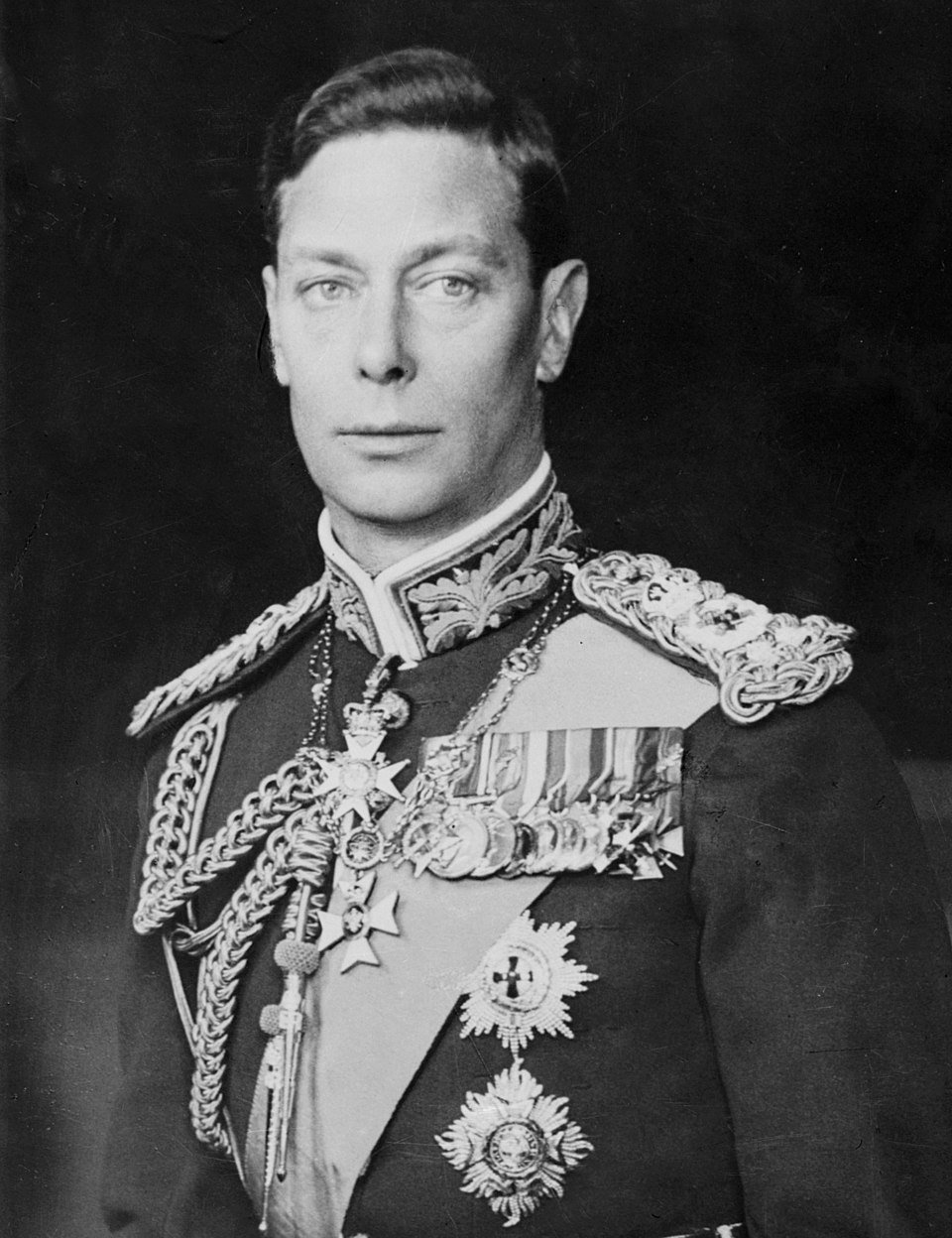 George VI George VI | Edward VIII's brother, who reigned through the Second World War. |
| Elizabeth II | Reigned from 1952 to 2022 — the longest reign of any British monarch; she died on 8 September 2022. |
| Charles III | The current king, from 8 September 2022; his coronation was on 6 May 2023. Any practice material that still calls the monarch a queen is out of date. |
Who comes next — the line of succession
For the test, learn the running order at the top of the line as it stands today.
1. Charles III
The reigning monarch since 8 September 2022.
2. Prince William
Prince of Wales; the heir apparent, next in line.
3. Prince George
William's eldest child.
4. Princess Charlotte
William's second child.
5. Prince Louis
William's youngest child.
Confusion pairs — self-test
Almost every name-based mix-up in the test is between two monarchs who share the same first name — two Charleses, two Marys, two Jameses, and so on. We list the pairs alphabetically by name rather than by date, so the only thing left to separate is what each one did. Read the summary, decide the answer in your head, then open the panel to check. The final pair is the outlier — same shape (two very long reigns) but different names; we keep it at the end to mark it as the odd one out.
Two Charleses — which was executed, and which was restored?
Charles I was put to death in 1649 after the Civil War. Charles II returned with the Restoration of 1660, and his reign held the Great Plague and the Great Fire of London.
Two Edwards — which was Henry VIII's son, and which abdicated for Wallis Simpson?
Edward VI is the Tudor boy-king, Henry VIII's young Protestant son. Edward VIII is the 20th-century king who gave up the throne in 1936 to marry the divorced American Wallis Simpson.
Two Georges — which renamed the house Windsor, and which reigned through WWII?
George V changed the family name to Windsor in 1917 during the First World War. George VI was the wartime king of the Second World War and Elizabeth II's father.
Two Henrys — which was the first Tudor, and which had six wives?
Henry VII is the first one — he shut down the Wars of the Roses, kept a careful grip on money, and reinforced the crown. Henry VIII is the six-wives king who broke with Rome and founded the Church of England.
Two Jameses — which joined the crowns, and which was thrown out in 1688?
James I brought the English and Scottish crowns under one head in 1603, and is linked to the King James Bible and the Gunpowder Plot. James II was the Catholic king removed in the Glorious Revolution of 1688.
Two Marys — which was "Bloody Mary", and which ruled jointly with William?
Mary I is "Bloody Mary" — the Catholic Tudor queen who persecuted Protestants. Mary II is the Stuart queen who ruled alongside William III in the era of the Bill of Rights.
The long-reign queens — how do you tell Victoria and Elizabeth II apart?
Victoria reigned 1837–1901 — about 63 years, the age of empire and industry. Elizabeth II reigned 1952–2022 — the longest reign of any British monarch, overtaking Victoria's record. Different names, same shape: both ruled long enough to give their age a label.