History & Timeline
More people trip up on the order of events than on any single fact. So treat this as one long story rather than a pile of dates: scroll down the timeline and the centuries fall into place, oldest first. Use the buttons below to spotlight just one thread — only the battles, say, or only the moments that shifted power between Crown and Parliament — and everything else falls away so the pattern stands out.
Want to see where the fighting actually happened? Pair this with the battles map. Keep losing track of which king or queen sat on the throne at each turn? The monarchs page lays the royal houses out in order to read alongside this.
Showing all events
Cards with a gold edge are the “if you remember nothing else” dozen — the ones worth over-learning. Cards marked NOT ON THE TEST are here for real-world context only; the official handbook predates them, so don’t use them to “correct” a handbook question.
Ancient & early Britain
First farmers settle
Stone Age and Bronze Age people farm the land and raise monuments — Stonehenge in the south, Skara Brae in the far north.
The Romans invade
Under the Emperor Claudius, Roman forces take the island and Britain is absorbed into the Roman Empire.
The Romans depart
Roman rule ends and the legions withdraw from Britain.
The Anglo-Saxons arrive
Settlers from across the North Sea move into much of what becomes England.
Viking raids begin
Norse raiders strike the coasts; King Alfred the Great later beats them back and holds the south.
Middle Ages
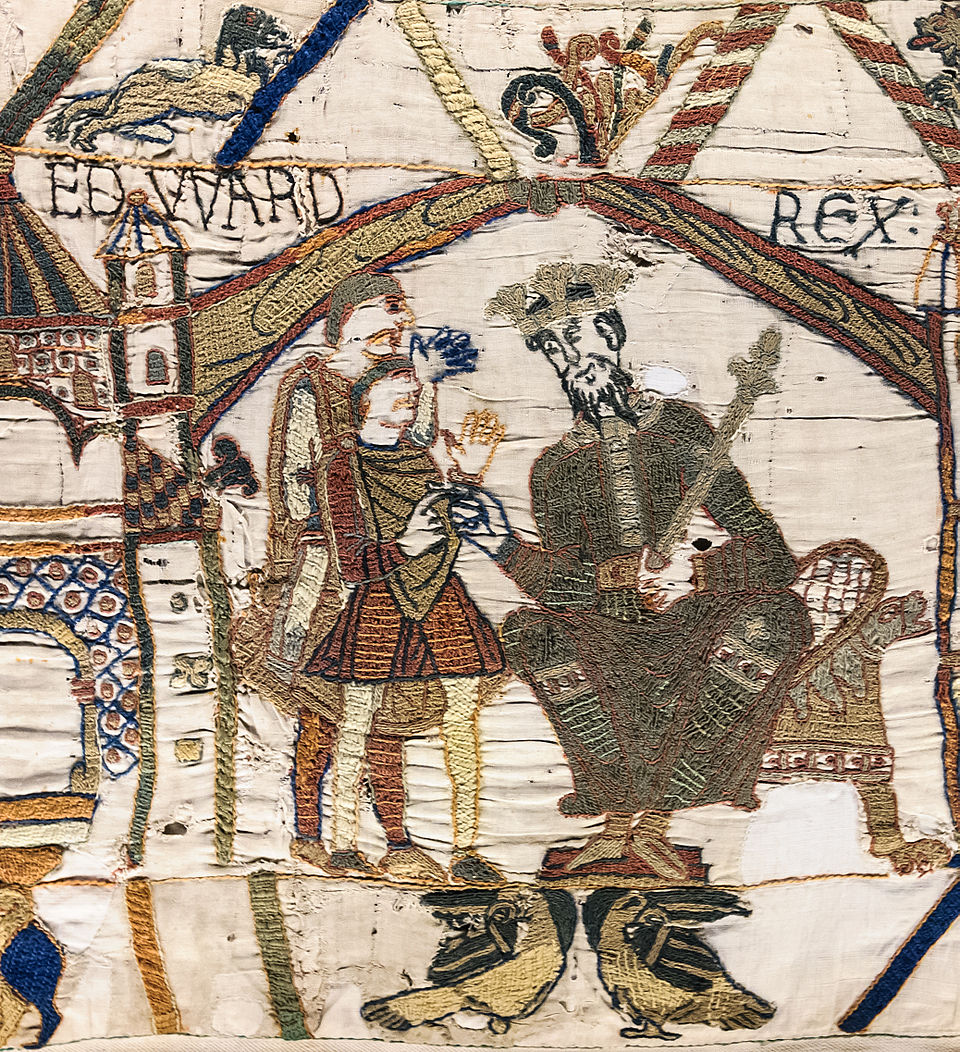
Battle of Hastings
William the Conqueror wins and the Norman Conquest begins — the last time Britain was successfully invaded.
Magna Carta sealed
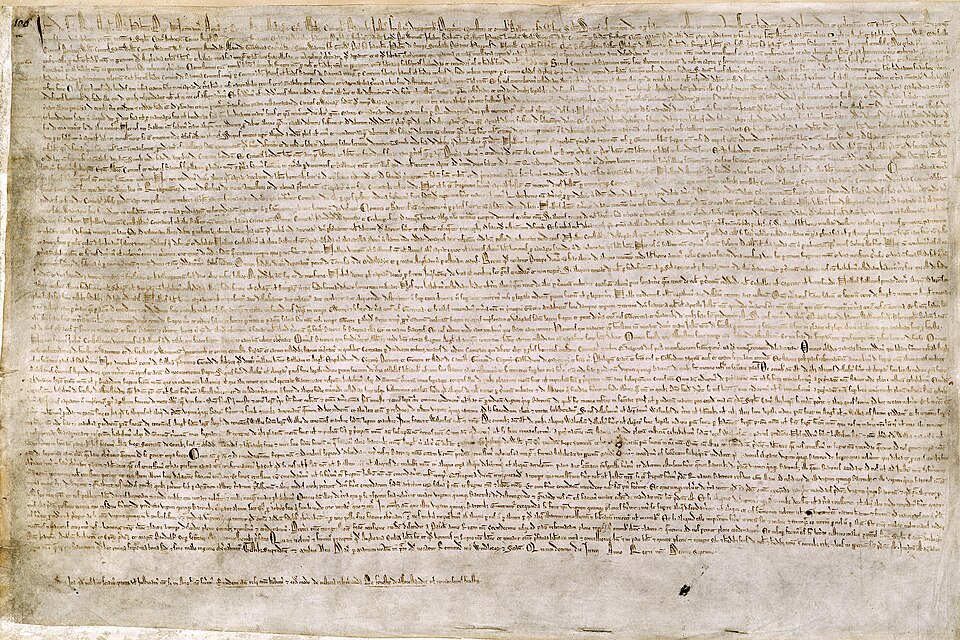
King John is forced to accept a charter that puts the first real limits on what a monarch may do.
Battle of Bannockburn
Robert the Bruce’s Scots defeat the English army and secure Scottish independence for a time.
The Black Death
Plague sweeps into Britain and kills a large share of the population.
Battle of Agincourt
Henry V’s heavily outnumbered army wins a famous victory in France.
Wars of the Roses
A long civil war for the throne between the houses of Lancaster and York.
Battle of Bosworth Field
Richard III is killed, the Tudor dynasty begins, and the Middle Ages draw to a close.
Tudors & Stuarts
Henry VIII crowned
Henry VIII takes the throne — best known for his six marriages and the break with Rome.
The Reformation
Henry VIII splits from the Roman Catholic Church and founds the Church of England.
Wales joined to England
Acts of Parliament formally unite Wales with England in law and administration.
The Spanish Armada beaten
Elizabeth I’s navy and the weather see off Spain’s invasion fleet.
Union of the Crowns
James VI of Scotland also becomes James I of England, joining the two crowns in one person.
The Gunpowder Plot
Guy Fawkes and others fail to blow up Parliament and the king — still marked every 5 November.
The English Civil War
War between supporters of the king and supporters of Parliament.
Charles I executed
The king is put to death and Britain briefly becomes a republic, the Commonwealth, led by Oliver Cromwell.
The Restoration
The monarchy returns and Charles II is invited back to the throne.
The Great Plague
A severe outbreak of plague, especially in London.
The Great Fire of London
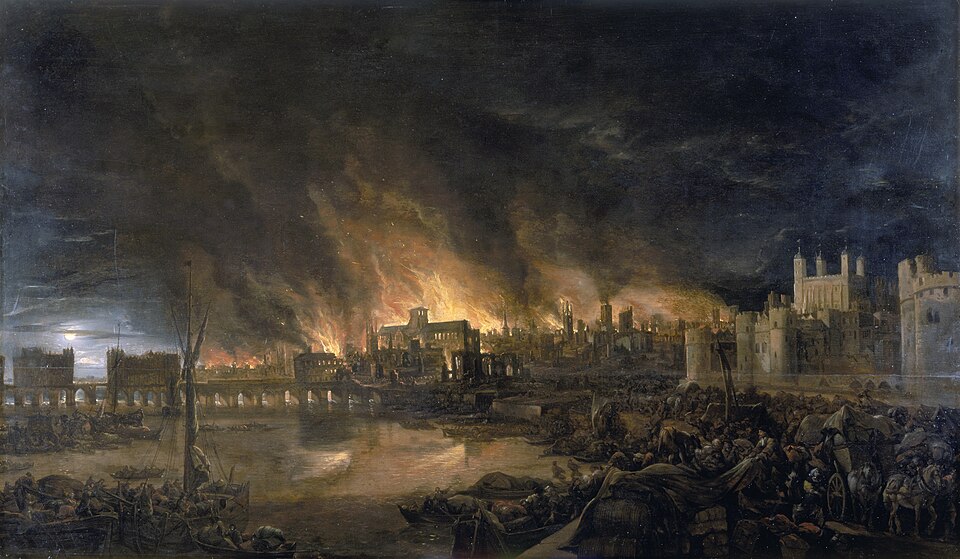
Fire destroys much of the medieval city and forces a major rebuild.
The Glorious Revolution
James II is removed and replaced without a full-scale war on British soil.
The Bill of Rights
Parliament’s authority over the monarch is set down in law for good.
18th–19th century
Act of Union — Great Britain
England and Scotland join into a single kingdom, Great Britain, under Queen Anne.
The Hanoverians begin
George I becomes the first Hanoverian king.
First Prime Minister
Sir Robert Walpole is generally counted as Britain’s first Prime Minister.
Battle of Culloden
The defeat ends the Jacobite attempts to win back the throne.
American independence declared
The American colonies break away from British rule.
Act of Union — Ireland
Ireland joins to form the United Kingdom of Great Britain and Ireland.
Battle of Trafalgar
Admiral Nelson’s navy defeats the French and Spanish fleets at sea.
Slave trade abolished
Trading in enslaved people is banned; slavery itself is abolished across the Empire in 1833.
Battle of Waterloo
The Duke of Wellington finally defeats Napoleon, ending the Napoleonic Wars.
Reign of Queen Victoria
The Industrial Revolution and the British Empire both reach their peak.
The Great Exhibition
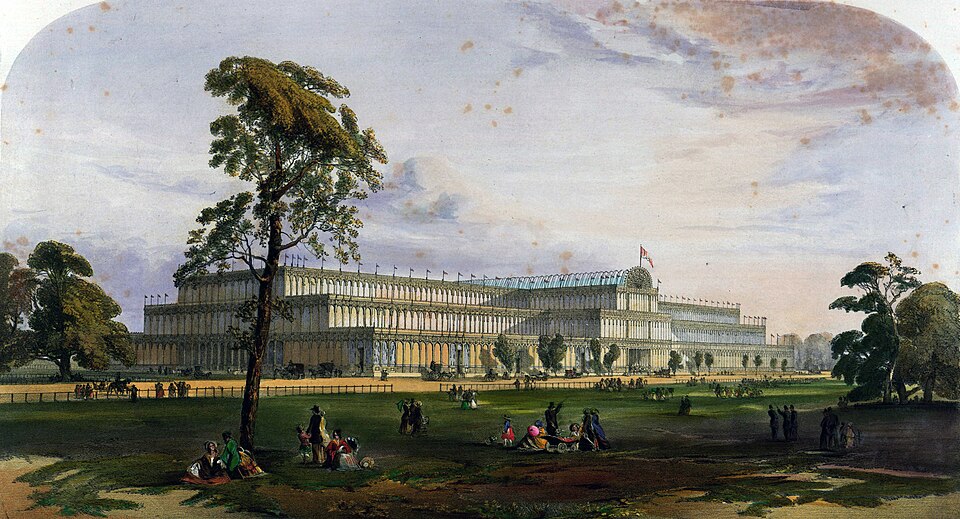
A showcase of industry and design held in the Crystal Palace.
20th century → today
First World War
Britain and its allies fight the Central Powers in a global conflict.
Women over 30 get the vote
The first women win the right to vote in parliamentary elections.
Ireland partitioned
Most of Ireland leaves to become the Irish Free State.
Equal Franchise Act
Women gain the vote on the same terms as men, from the age of 21.
Second World War
Britain and its allies fight and defeat the Axis powers.
The Education Act
The “Butler Act” brings in free secondary schooling.
Welfare state begins
Clement Attlee’s Labour government starts building the modern welfare state.
NHS founded; Windrush arrives
The National Health Service is created, and the Empire Windrush brings the first major post-war Caribbean arrivals.
Voting age lowered to 18
The minimum age to vote is reduced from 21 to 18.
UK joins the EEC
Britain enters the European Economic Community, which later becomes the European Union.
Good Friday Agreement
A peace settlement for Northern Ireland.
Devolution
The Scottish Parliament, the National Assembly for Wales and the Northern Ireland Assembly all begin work.
A change of monarch
Queen Elizabeth II dies and King Charles III becomes monarch.
Coronation of Charles III
King Charles III is crowned.
EU referendum
The public votes to leave the EU. The handbook was written earlier, so it still treats the UK as an EU member — answer accordingly.
NOT ON THE TESTUK leaves the EU
Brexit takes legal effect. This is later than the handbook, so don’t use it to “correct” an EU question.
NOT ON THE TESTSenedd renaming
The National Assembly for Wales is renamed the Senedd (Welsh Parliament). The handbook still uses the old name, so that is the test answer.
NOT ON THE TESTWhen this clicks into place, jump to the battles map to see where each fight took place and which ones were fought overseas, then run through the monarchs in order to anchor every turning point to whoever held the crown.